In the waste management industry, operating without adequate insurance can pose serious risks. Hauliers are one waste management sector that faces various challenges daily—whether it’s handling hazardous materials, transporting rubbish, or dealing with unforeseen incidents that could lead to costly claims. These issues threaten business continuity and can also result in hefty fines and reputational damage.
Specialist waste insurance for UK hauliers is essential for protecting against liabilities like injuries or property damage from operations. Public Liability Insurance safeguards businesses against claims arising from third-party accidents related to their activities.
This blog will outline effective waste insurance solutions specifically for hauliers and waste management companies. By exploring key features of policies and tips on selecting providers, you’ll gain insights that help protect your business now and into the future. Ready to ensure your operation runs smoothly? Let’s get started!
Key Takeaways UK Waste Insurance Solutions for Waste Management and Hauliers
- Waste insurance protects hauliers and waste management firms from costly claims, injuries, pollution spills, fires, and legal fines. For example, fleet insurance premiums can range from £4,000 to £15,000 per garbage truck in the UK.
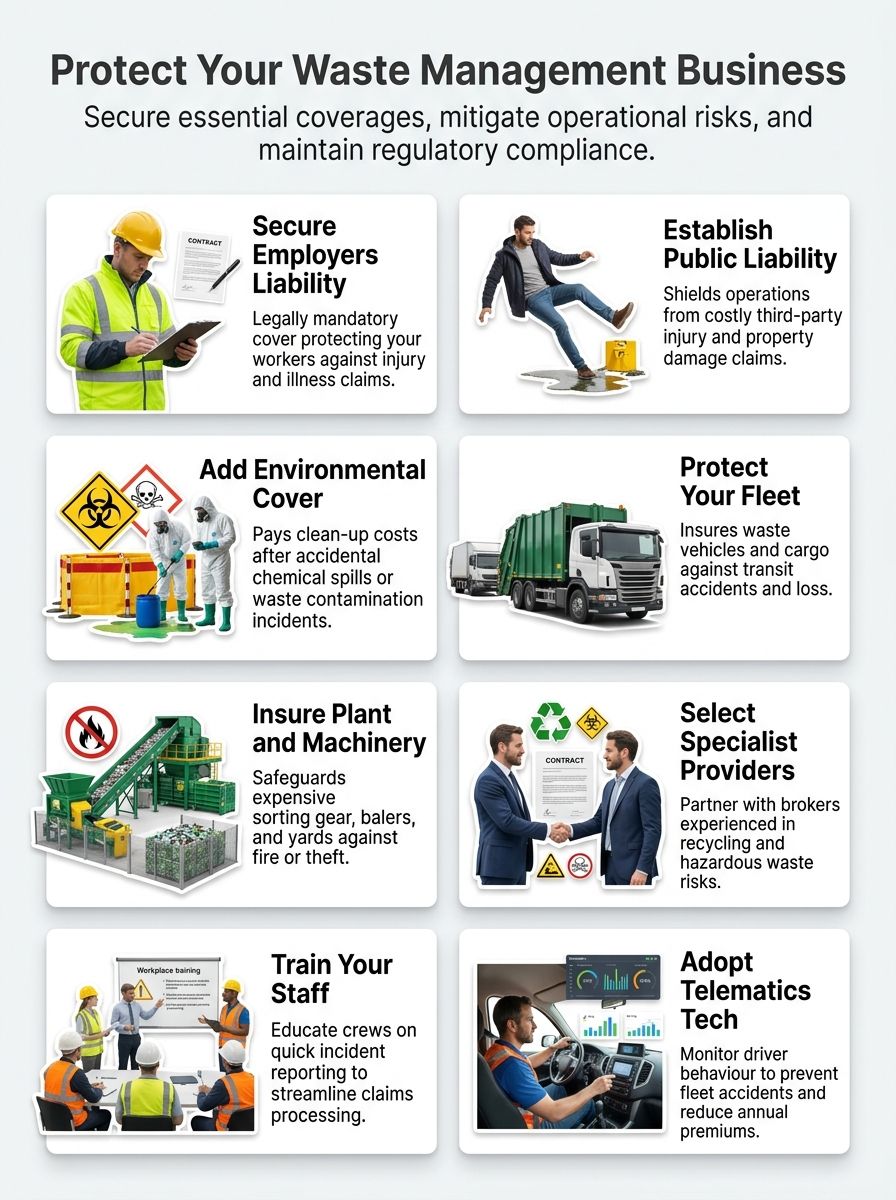
- Key covers include Employers’ Liability (required by law for staff), Public Liability (for third-party damage), Environmental Liability (spills/clean-ups), Commercial Fleet Insurance (vehicles like skip lorries or vans), Property & Plant Machinery cover, and Equipment Insurance.
- Good insurers offer risk management tools like telematics—these track driver behaviour and cut incidents—and quick real-time claims handling platforms such as WASTEINSURE’s claims portal. Using data helps lower future claim costs.
- Top providers like EPIC Insurance Brokers & Consultants and World Insurance Associates build custom quotes for refuse hauliers and recycling centres. Always compare policy wordings, limits on hazardous materials coverages, excesses (deductibles) and check insurer experience with similar businesses.
- Training all staff about policy protocols is essential. Clear reporting of accidents or spills leads to faster support during incidents—as seen when companies quickly rebuilt after fires or handled hazardous waste clean-up using strong insurance backing.
Importance of Insurance in Waste Management
Employers’ liability insurance gives firms financial protection if a worker sues after a work injury or illness. Public liability insurance covers claims from the public for bodily harm or property damage at waste transfer stations, landfill sites, or material recycling facilities.
Environmental liability pays for pollution clean-up, third-party claims and legal costs after a spill from recycling trucks or garbage trucks. Without waste management insurance, businesses face serious out-of-pocket costs from pollution incidents or traffic accidents involving balers, compactors or fleet vehicles.
Good cover keeps operations moving and limits financial shocks.
Motor fleet insurance and waste & recycling motor fleet insurance must link to goods in transit cover and carriage of own goods van insurance for full protection. Employers’ and public liability insurance help meet UK legal requirements and avoid regulatory fines, while combined covers, business interruption insurance and environmental cover support business continuity.
Next, we examine key features of waste insurance policies.
Types of Risks Faced by Waste Hauliers
Linking insurance importance to daily operations, hauliers face varied risks on and off the road. Drivers suffer lifting injuries, slips, falls and cuts from sharp objects. Crews also face chemical exposure and long term health harm from dust, fumes, noise and repetitive tasks.
Moving vehicle accidents cause third party liability and loss to a fleet of vehicles. Pollution incidents stem from fuel spills, leachate from waste storage, accidental chemical releases and contaminated runoff entering water.
Waste falling from vehicles, visitor slips on site and debris hitting passers-by create public liability claims.
Insurers and brokers, such as CityNet and IFS Risk Solutions Ltd, advise on haulage insurance and motor fleet and commercial vehicle insurance. Policies should include pollution cover, plant, machinery, and equipment cover, combined liability and waste & recycling public & employers liability insurance.
Skip hire operators and hazardous waste handlers need waste broker professional indemnity insurance and cover for haulage of goods for hire and reward. Machinery breakdowns can stop collections, delay services, reduce income and cut profits.
Paul Bloor and price comparison sites like moneysupermarket help firms compare commercial combined covers and choose fitting protection.
Key Features of Waste Insurance Policies
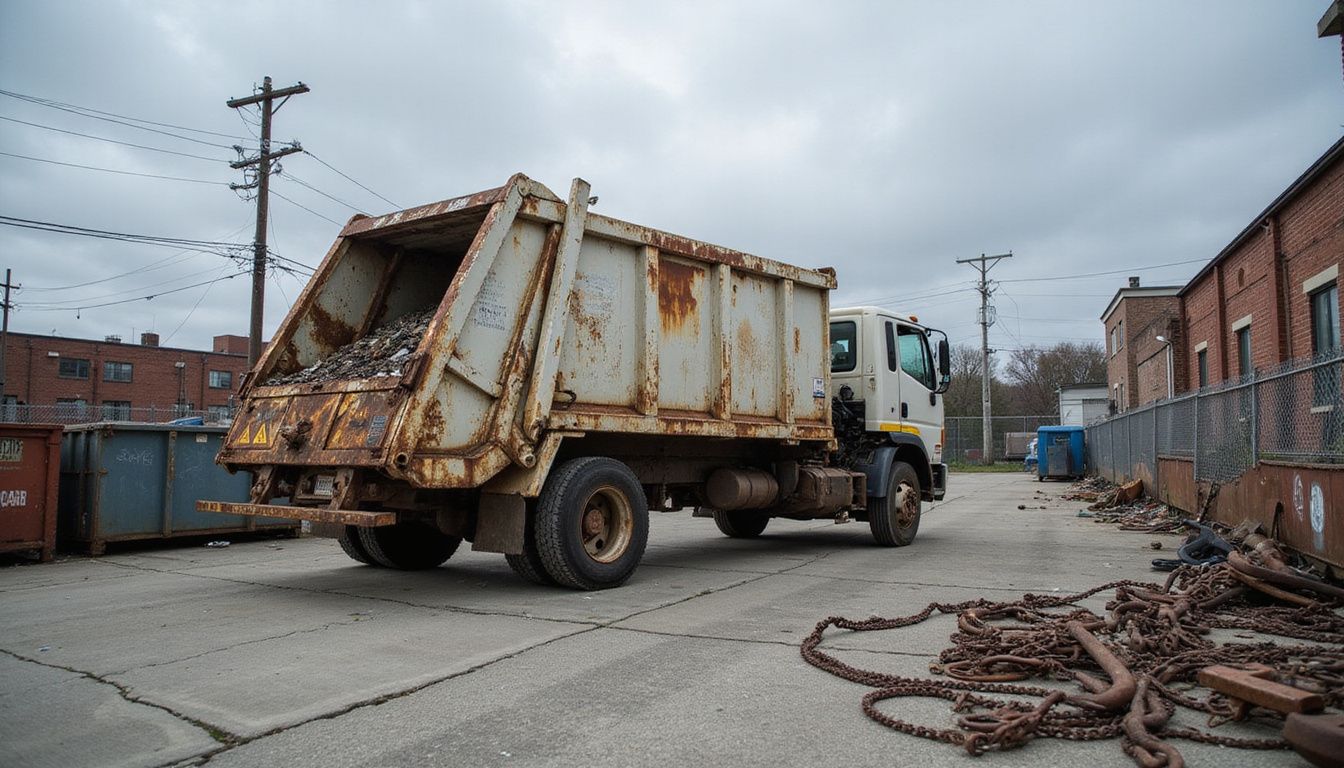
Waste insurance policies for hauliers have key features that cater to their unique needs. They often include coverage for commercial property, plant and machinery, and third-party liability.
These components protect businesses from various risks like accidents or damages during waste removal. Special clauses also address hazardous material handling… This ensures safety and compliance with regulations.
Want to learn more about these important details?
Coverage Components Essential for Waste Businesses
Here are core cover elements for waste businesses.
| Coverage Component | Summary Points |
|---|---|
| Employers Liability Insurance |
|
| Public Liability Insurance |
|
| Environmental Liability Insurance |
|
| Commercial Fleet Insurance |
|
| Property and Plant Machinery Insurance |
|
| Equipment Insurance |
|
| Combined and Specialist Extensions |
|
| Claims Handling and Crisis Support |
|
| Risk Management Tools |
|
| Policy Limits and Excesses |
|
| Examples and Practical Notes |
|
Special Provisions for Hazardous Material Handling
Policies must include sudden and accidental pollution events cover for hazardous loads, and Environmental Liability Insurance protects against fuel spills, chemical releases and contamination from hazardous waste.
EPIC Insurance Brokers & Consultants run programmes for refuse hauliers and recyclers that handle hazardous materials, and General Liability still guards against third-party bodily injury or property damage at job sites.
Insurers often add clauses for manual handling, fleet maintenance, breakdown cover, windscreen cover and legal cover, and you can combine these into a commercial combined approach for waste and recycling businesses.
Brokers in London can quote waste & recycling commercial property insurance, waste & recycling plant & machinery insurance and waste & recycling directors & officers insurance, and policies may note classes of use, DCR, freight forwarders, tradespeople, business use and cyber insurance.
Choosing the Right Insurance Provider
Choosing the right insurance provider is crucial for waste hauliers. You need to look at several factors. Check their experience in the recycling industry. Look for agents who understand your business needs well.
Compare policies carefully to find what fits best. Don’t rush; take your time to explore options and make informed choices… There's more to discover on this topic!
Criteria to Select an Insurance Company
Insurance keeps your fleet moving. It limits losses from spills, fire, theft and claims.
- Check sector experience and reputation; choose a provider that works with the recycling industry and waste hauliers, and that can show case studies or references handling hazardous material claims.
- Match coverage to waste type, fleet size and operations; small fleets under 10 vehicles need different limits than medium 10–50 or large over 50 vehicle fleets, and services that process hazardous or clinical waste need specialist cover.
- Verify high-risk capacity and excess limits; select insurers who can underwrite high exposures and offer higher policy limits for contaminated load, pollution and clean-up costs.
- Confirm claims support and in-house teams; pick firms that provide a dedicated claims team, fast response times and single points of contact for complex incidents.
- Ask about online claims tracking and portals; ensure the insurer offers an online claims platform, real-time updates and mobile upload for photos and incident reports.
- Seek risk management tools and audits; prefer providers that supply risk assessments, on-site audits, and loss prevention advice, plus telematics or fleet management software integration.
- Check hazardous material provisions and endorsements; ensure policies include specific cover for hazardous material handling, containment costs, third-party liability and regulatory defence.
- Compare premiums, excesses and policy wordings; read the full wording, note exclusions and test sample claim scenarios against each quote before you commit.
- Confirm regulator and compliance support; choose insurers who understand Environment Agency and HSE rules and who can assist with reporting and remediation procedures.
- Review service add-ons and training; favour companies that offer staff training, risk insight reports and post-claim reviews to reduce future incidents.
Next, we will cover the steps to integrate these policies into day-to-day operations.
Implementing Insurance Solutions in Your Operations
Implementing insurance in your business is key to keeping everything running smoothly. Start by reviewing existing policies and identifying gaps. Train your staff on what the insurance covers and how to use it during incidents.
Regular updates help keep everyone informed about changes or new features in policies. Want to learn more? Keep reading!
Steps to Integrate Insurance Policies Effectively
Integrating insurance policies is essential for waste businesses. This process ensures that operations run smoothly and risks are managed well.
- Assess specific business exposures. Consider the type of waste processed, the number of employees, and your operational sites. Each factor can affect your insurance needs.
- Customise insurance policies to cover all critical areas like property, vehicles, public liability, environmental risks, and employee protection. A focused approach helps in avoiding gaps in coverage.
- Train staff on insurance protocols. All employees should understand their role in risk management and how to respond in case of an incident.
- Document all procedures clearly. Keep detailed records that show how you manage risks and follow insurance guidelines.
- Review your policies regularly with an adviser or broker like the WASTEINSURE team. Changes in operations or regulations may require updates to your coverage.
- Use telematics-based options if available. These tools can track vehicle usage and monitor risk factors, leading to better policy pricing and safety measures.
- Share key information with your team regularly. Updates about policies and procedures should be communicated effectively to ensure everyone is informed.
- Evaluate claims processes often for efficiency. Understanding how claims are handled can improve response times during incidents.
Implementing these steps will help secure comprehensive coverage for your business as you move onto practical examples of effective waste management practices.
Training Staff on Insurance Protocols
Training staff on insurance protocols is key for waste management businesses. It ensures everyone knows the right steps to take in an emergency.
- Teach employees about insurance coverage. They need to understand what risks are covered, especially those unique to waste management.
- Provide clear guidelines on reporting accidents and pollution incidents. Staff should know how to report these events quickly and accurately to ensure timely claims processing.
- Highlight compliance with legal requirements. Ensure employees understand the importance of having Employer's Liability Insurance to avoid fines and penalties.
- Set up regular training sessions. Continuous learning helps staff stay updated on any changes in policies or procedures.
- Use real-life examples during training. Sharing stories about successful claims handling can illustrate the importance of following protocols correctly.
- Conduct drills that simulate emergencies. Practice makes it easier for staff to react effectively when real situations arise.
- Create easy-to-understand materials about insurance policies and procedures. Handbooks or quick-reference guides can help reinforce learning.
- Encourage open communication about concerns or questions regarding insurance matters. Staff should feel comfortable discussing issues they face at work.
Training is not just a formality; it empowers your team to manage risks effectively and ensures smooth operations within your business.
Case Studies of Effective Waste Insurance Management
In many cases, waste management firms faced tricky situations but found success through solid insurance management. One company dealt with a fire at their facility and quickly received support after filing a claim.
Another firm navigated the costs of cleaning up hazardous waste spills and learned the importance of clear reporting to insurers. These stories show how effective claims handling can save businesses time and money—curious to find out more about these experiences?
Examples of Successful Claims Handling
WASTEINSURE’s claims platform offers clients real-time updates on their claims. This ensures fast and clear handling of insurance claims. Quick communication helps reduce stress for waste professionals dealing with incidents.
Telematics and past claims analysis through RiskPilot can also make a big difference. They help businesses spot risks early, which can lead to fewer future claims. In-house claims teams play a key role too; they work swiftly to resolve issues, cutting downtime and financial losses for hauliers and waste management firms.
Lessons Learned from Insurance Challenges
Insurance challenges impart valuable lessons in the waste management field. Companies encounter various risks, such as accidents or environmental damage. Some have discovered that using telematics-based insurance reduces claims and lowers costs.
By monitoring their operations through data, businesses can identify weaknesses in safety protocols. This results in improved risk management practices.
Effective claims handling demonstrates how crucial it is to learn from past issues. Each situation reveals opportunities to enhance processes and policies. Analysing claims data can assist companies in rectifying operational flaws swiftly.
This not only enhances their safety but also guarantees they remain compliant with regulations in the industry.
Conclusion: Ensuring Future Sustainability and Compliance
Good insurance practices help waste management businesses stay safe and compliant. They protect against risks and ensure smooth operations. This is essential for future growth in the industry.
Read on to discover how you can improve your business with effective insurance solutions!
How Good Insurance Practices Benefit Waste Management Businesses
Good insurance practices protect waste management businesses from financial loss. They cover employee injuries, pollution incidents, and claims from third parties. With the right coverage in place, companies can continue operating after unexpected events.
For example, machinery breakdowns or major accidents may disrupt work. Insurance helps manage these issues effectively.
In addition, comprehensive coverage supports business growth and stability. It provides peace of mind to managers and workers alike. A well-structured policy ensures compliance with laws and regulations too.
This enhances safety and builds confidence with clients and stakeholders in the waste industry.
Future Trends in Waste Insurance
Insurance for waste management is changing rapidly. Risk management platforms, like RiskPilot, assist businesses in tracking claims in real-time. These tools enable companies to identify risks and respond swiftly.
Telematics is also gaining significance. It aids in monitoring how drivers behave on the road. Improved driver data results in fewer accidents and less frequent claims. Using technology this way not only saves money but also enhances safety in waste transport operations.
Is Your Insurance Keeping Up With Your Operation?
Waste management is one of the most complex sectors to insure correctly. The Process Facility Insurance Savings Academy gives you the specialist knowledge to protect your business, reduce your risks and stop overpaying at renewal.
FAQs
1. What are waste insurance solutions for hauliers and waste management businesses?
Waste insurance solutions are policies that protect hauliers and waste management businesses from loss. They cover damage to vehicles, goods in transit, and harm to other people. They also help with legal costs after a claim.
2. What cover do these policies usually give?
Policies often include public liability, vehicle cover, goods in transit, employers liability, and environmental liability. They may also cover equipment and business interruption. Insurers set limits, so check what each policy includes.
3. How do I pick the right waste insurance solution?
Start by listing your risks, fleet size, services and the value of your loads. Get quotes from insurers or a broker, compare covers, and read the terms. Ask about excesses and limits. Choose the policy that matches your business needs.
4. How do I make a claim and reduce future costs?
Report incidents to your insurer right away and keep clear records and photos. Train staff and keep vehicles and equipment in good repair. Do regular risk checks, and act on any safety findings to cut future claims.
This post is published for informational purposes and provides educational and informational content only. Nothing in this press release constitutes regulated insurance advice.