
The main ways to reduce waste in manufacturing start with refusing single-use items, cutting back on total consumption, reusing durable goods, and composting organic trash. Your waste footprint can be significantly reduced by making small adjustments like meal planning, buying in bulk, and converting to reusable items.
A Quickstarter's Guide to this Article:
- There are two types of waste in manufacturing — material waste and operational inefficiency — and both need to be addressed for a leaner, more environmentally friendly operation.
- The lean manufacturing model identifies 8 specific types of waste that quietly drain time, money, and resources from your production floor every single day.
- A quarter of the global carbon footprint is embodied in traded goods, according to the U.S. Department of Energy — making waste reduction a sustainability imperative, not just a cost-cutting exercise.
- This article covers 24 actionable strategies from just-in-time production to AI-powered quality control that manufacturers of any size can start implementing today.
- Setting measurable waste reduction goals and getting your team aligned are the two steps most manufacturers skip — and the reason most waste reduction efforts fail.
Waste in manufacturing is quietly draining your profits and your environmental credibility at the same time — and most facilities don't even know where to start addressing it.
Fortunately, waste reduction in manufacturing doesn't require huge changes or prohibitively expensive technology. It's about pinpointing exactly where waste is hiding in your operations and implementing tried-and-true strategies to systematically eliminate it.
Regardless of whether you're operating a small shop floor or overseeing a large-scale facility, the principles are the same. Manufacturers who prioritise waste reduction don't just save money — they also create more robust, future-proof businesses. Environmentally conscious manufacturers are already demonstrating that sustainability and profitability aren't mutually exclusive — they're actually complementary.
You are welcome to watch this helpful video on how to reduce waste in manufacturing. We published it in 2019, and it has been popular ever since:

Note: There is no need to click anywhere if you are watching this video on this page.
Waste in Manufacturing is More Expensive Than You Realise
Many manufacturers are more concerned with what they are producing rather than what they are wasting. The U.S. Department of Energy states that traded goods make up a quarter of the global carbon footprint. This means the way things are produced has a huge environmental impact. Not only does waste harm the environment, but it also has a direct financial impact. Any defective parts, machines that aren't being used, or excess inventory are all resources that you paid for but aren't making you any money.
Operational inefficiencies are a significant part of the problem. When a process takes longer than necessary, when workers are moving across the floor unnecessarily, or when equipment breaks down without warning, that's waste — even if nothing is physically being thrown away. The financial and environmental costs can quickly pile up, and they're often unseen until you actively search for them.
What is Considered Waste in Manufacturing?
Waste in manufacturing is any resource — be it time, materials, energy, or labour — that is used but does not contribute to the final product. This definition is more encompassing than what most people think. It's not just the leftover pieces on the floor or the faulty products that have been removed from the line. It also includes the time spent waiting between production stages, the unnecessary moving of materials, and even the over-engineering of a product design when a simpler one would work just as well. For more insights, check out this guide on reducing manufacturing waste.
Getting a handle on this expansive definition is the first move toward actually doing something about it. If you only view waste as physical scrap, you're overlooking more than half the issue.
Manufacturing waste = any resource used that doesn't add value to the product. This includes time, motion, materials, energy, and overproduction — not just physical scrap.
Material Waste vs. Operational Inefficiency

Material waste is what most people picture first — raw materials that end up in the bin rather than the product. Think excess fabric in apparel manufacturing, metal shavings from CNC machining, or food trimmings in processing plants. It's tangible, measurable, and relatively easy to track.
Operational inefficiency, on the other hand, is harder to see. It lives in downtime, bloated workflows, redundant processes, and poor communication between departments. Critically, these two types are linked — operational inefficiency is frequently the root cause of material waste, because poor processes lead to defects, overproduction, and rework. Learn more about the impacts of recycling to mitigate these issues.
Lean Manufacturing's 8 Forms of Waste
Since the 1990s, the lean manufacturing model has been widely adopted, thanks in large part to the Toyota Production System. This model classifies operational waste into eight specific categories. Being familiar with these categories can help you identify waste in your own operations.
- Transportation — unnecessary movement of materials between locations
- Inventory — excess stock that ties up capital and storage space
- Motion — unnecessary physical movement by workers
- Waiting — idle time when workers or machines are waiting for the next step
- Overproduction — making more than is currently needed
- Over-processing — doing more work on a product than the customer requires
- Defects — products that require rework or are scrapped entirely
- Skills underutilization — failing to use the knowledge and abilities of your team
How to Identify Waste in Your Facility
You can't fix what you can't see. Before applying any strategy, you need a clear picture of where waste is actually occurring in your facility — not where you assume it is.
Perform a Waste Audit
Running a waste audit is a systematic review of your manufacturing processes, material flows, and output data to find where resources are being wasted. Begin by monitoring inputs and outputs at every phase of production. Compare what is input with what is output, and examine every discrepancy. Categorise what you discover using the eight lean waste types mentioned above — this provides structure to your findings and makes it simpler to determine which issues to tackle first.
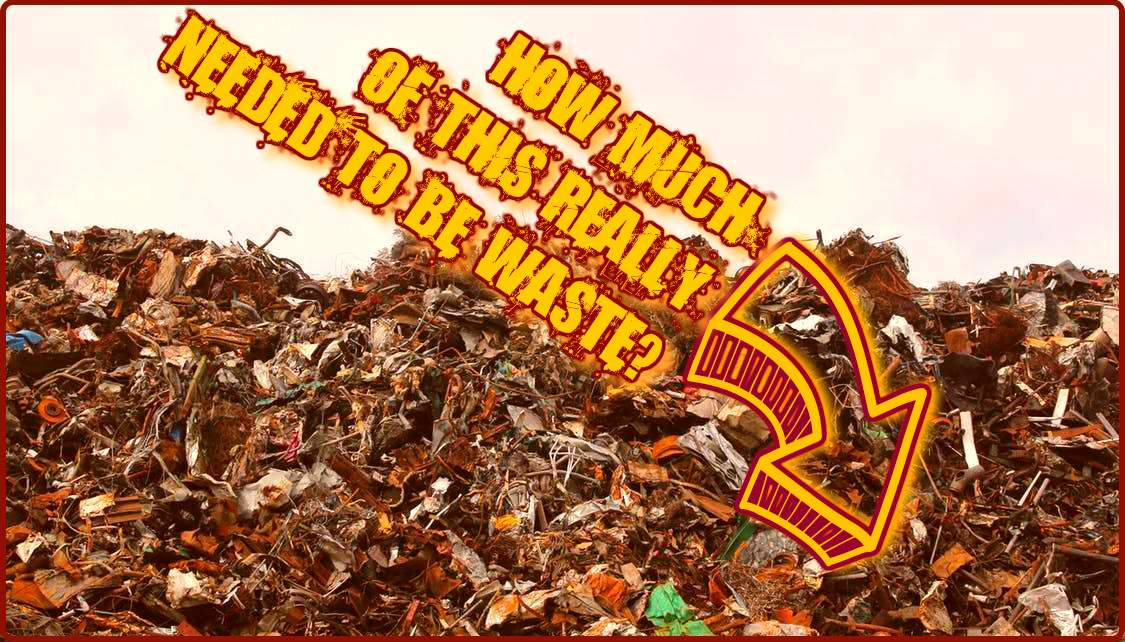
Chart Out Your Production Workflow
One of the most impactful tools in lean manufacturing is value stream mapping. This is a visual representation of each step in your production process, from receiving raw materials to producing the finished product.
It helps identify where value is being added and where it's not. Seeing your entire workflow laid out can help identify bottlenecks, redundancies, and unnecessary handoffs. This is often when manufacturers first realise how much waste they have.
Spot Inefficiencies with ERP Systems
Enterprise Resource Planning (ERP) systems bring together your production, inventory, supply chain, and financial data into one place. This consolidated view helps you to spot inefficient patterns that would otherwise be hidden in separate departments.
For instance, an ERP can alert you when your inventory levels are consistently exceeding production needs, which is a clear sign of overproduction or poor demand forecasting. It can also monitor machine downtime, defect rates, and material usage across shifts, providing you with the information you need to make specific improvements rather than guesses. For more insights on sustainable practices, explore waste management strategies.
Manufacturers who want to stay competitive no longer need to rely on spreadsheets and gut instinct to manage their production floor. Instead, they can use modern ERP platforms, such as NetSuite Advanced Manufacturing, which are specifically designed for manufacturers. These platforms go beyond the basics by automating work orders, tracking material consumption in real time, and providing dashboards that quickly display waste-related KPIs.
Establish a Practical Waste Reduction Goal
Merely saying you want to “reduce waste” is not a plan. If you don't have a concrete, quantifiable goal, your waste reduction initiatives are likely to lose steam within a few weeks.
The most effective manufacturers approach waste reduction as they would any other business goal — by setting precise objectives, establishing deadlines, and creating accountability frameworks.
Set a Quantifiable Goal
Take the information from your waste audit to establish a starting point, then create a clear reduction goal. For example, a goal such as “lower scrap material by 20% over the next six months” provides your team with a tangible objective. Monitor progress on a weekly basis, not monthly — regular updates maintain momentum and allow you to identify issues early on before they disrupt the entire project.
Link your waste metrics directly to financial results whenever you can. When your team sees that a 15% reduction in defects saved a specific dollar amount last month, the motivation to continue becomes self-sustaining. For more insights, explore how effective waste management can lead to significant cost savings.
Involve Your Whole Team
Reducing waste isn't a directive from management — it's a culture change that needs to be accepted at all levels of the factory. Frontline workers often have the best understanding of where waste happens daily, and leaving them out of the process is one of the main reasons these programs don't work.
Host workshops, establish open feedback channels, and make it simple for anyone on the floor to report a waste problem or propose a solution.
24 Ways to Minimise Waste in Manufacturing
Now that you've pinpointed your waste and established your objectives, it's time to take action. The 24 strategies listed below address both material waste and operational inefficiency. They encompass everything from inexpensive process modifications to technology investments with a high return on investment. Begin with the strategies that are most applicable to the waste streams where you have the most volume.
While not all strategies will be suitable for every facility, there will be at least a dozen that can make an immediate impact. For more information on effective methods, consider exploring strategies to reduce manufacturing waste.
1. Embrace the Concepts of Lean Manufacturing
Lean manufacturing is founded on five main principles: define value from the viewpoint of the customer, map the value stream, create a continuous flow, set up pull-based production, and tirelessly strive for perfection.
When used in combination, these principles form a systematic method for identifying and getting rid of all eight types of waste. Lean isn't a single-time project – it's a continuous operational philosophy. Companies that fully dedicate themselves to it see improvements that build on each other over time rather than one-time benefits. For more insights into waste management, you can explore Veolia's innovative solutions.
2. Use Predictive Maintenance
Unplanned equipment breakdowns are among the most wasteful and disruptive occurrences in a manufacturing plant. These not only lead to downtime but also result in defective products during the period of degradation before the equipment fails. Moreover, they often necessitate emergency buying of replacement parts at high costs.

With predictive maintenance, you can use sensor data, machine learning, and historical performance records to predict when a piece of equipment might fail. This allows you to service the equipment before it fails, shifting your maintenance approach from reactive to proactive and significantly reducing unplanned downtime.
It's clear from the data that predictive maintenance programs consistently reduce equipment downtime and extend the lifespan of assets, compared to traditional schedule-based maintenance approaches. Industrial IoT sensors can monitor vibration, temperature, and pressure in real time, sending alerts the moment a metric moves outside of the normal operating range.
- Decreases unexpected equipment breakdowns
- Increases the life expectancy of machinery
- Stops faulty output caused by deteriorating equipment
- Removes the cost of emergency parts procurement
- Works with ERP systems for automated maintenance scheduling
The initial cost of predictive maintenance technology is quickly recovered — especially in high-volume manufacturing environments where a single hour of unplanned downtime can cost tens of thousands of dollars.
3. Adopt Just-in-Time Production
Just-in-Time (JIT) manufacturing is a production strategy where materials and components arrive exactly when they're needed — not before, not after. This method was developed as a core pillar of the Toyota Production System; JIT directly attacks two of the most common forms of manufacturing waste: excess inventory and overproduction.
When you're not stockpiling materials or producing units ahead of demand, you free up capital, reduce storage requirements, and eliminate the waste that comes from materials sitting idle and degrading over time.
4. Rethink Product Designs to Minimise Material Use
The choices made during the design phase of a product can directly affect the amount of material that is wasted during production. Design for Manufacturability (DFM) is the concept of consciously designing products to use less material, require fewer steps to produce, and create less waste during the manufacturing process. This isn't about taking shortcuts — it's about designing intelligently from the beginning.
Something as easy as a design change, such as reducing the thickness of a plastic part by 0.5mm without affecting the structural integrity, can significantly decrease the amount of material used across thousands of units.
Similarly, merging multiple parts into a single moulded part can reduce assembly steps, fastener use, and the number of different materials that enter your waste stream. Involve your engineering and production teams during the design phase – the people on the floor often know exactly where material is being lost during fabrication.
5. Minimise Waste from Packaging
- Opt for packaging that is the right size for your product, instead of using standard-sized boxes that need to be filled with extra material
- Choose reusable packaging materials instead of single-use ones for internal and B2B shipments
- Use cardboard made from recycled content and biodegradable cushioning materials
- Get rid of secondary packaging that doesn't serve a protective or regulatory purpose
- Work with your logistics partners to standardise pallet configurations, which can help reduce the amount of packaging needed
Packaging waste is one of the most obvious and easy-to-tackle categories of waste, but many manufacturers overlook it. Every layer of unnecessary packaging is a cost that you're incurring and a material that you're responsible for disposing of.
Switching to minimal, intentional packaging doesn't mean sacrificing product safety. Intelligent packaging engineers often provide better protection with less material by choosing high-performance materials and optimising the structural design instead of relying on volume and padding. For more insights into sustainable practices, you can explore the Veolia approach to waste management.
Some manufacturers have taken it a step further by using closed-loop packaging systems with key customers. In this process, packaging is returned, cleaned, and reused for multiple shipment cycles. This method can eliminate packaging waste entirely for those supply chain relationships and can significantly reduce per-unit packaging costs over time.
6. Reuse Water in Different Production Processes
Water is one of the most overlooked resources in manufacturing facilities. Many industrial processes — such as cooling, washing, rinsing, and steam generation — use up large amounts of water that are used once and then discharged.
By putting in place closed-loop water recycling systems, treated process water can be reused in various stages of production, which significantly reduces both water usage and the cost of treating wastewater. Food processing, textile manufacturing, and semiconductor fabrication are industries where water reuse programs have been particularly successful.
7. Implement Waste Heat Recovery Systems
Many manufacturing processes create a lot of heat as a side effect — from things like furnaces, compressors, cooling systems, and exhaust streams. In most facilities, this heat is just vented out into the air, which is a big waste of energy that you already paid for.
Waste heat recovery systems take this thermal energy and redirect it to where it can be useful — like preheating incoming materials, warming facility spaces, making steam, or even producing electricity through organic Rankine cycle systems.
Getting a return on investment from waste heat recovery is a well-known strategy for energy-intensive manufacturing sectors such as steel, cement, glass, and chemical production. This strategy can also be effective in lighter manufacturing environments, where heat exchangers on compressor exhaust or cooling water circuits can significantly lower your facility's energy costs. This is a strategy that not only cuts operational costs but also reduces your facility's carbon footprint. It's a win-win situation.
8. Material Recovery Should Take Precedence Over Disposal
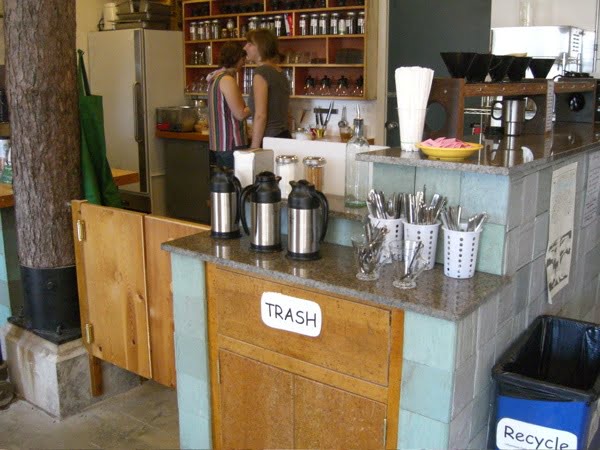
Before you decide to dispose of any material as waste, consider whether it can be recovered and reused in your process or sold to another manufacturer who might need it. Metal scrap, off-spec material, and process byproducts usually have a market value.
Steel turnings, aluminium offcuts, and copper wire scrap are often sold to metal recyclers at prices that can offset the cost of raw materials. Even materials that cannot be reused within your facility can often be redirected to industrial reuse programs instead of being sent to a landfill.
By setting up recovery stations for materials on your production floor that are clearly labelled, your workers can sort materials that can be recovered at the point of generation instead of mixing them into general waste. The closer to the source you capture recoverable material, the cleaner and more valuable it typically is.
9. Implement Circular Manufacturing to Close the Loop
Circular manufacturing is a step up from material recovery. It designs the entire production system around the idea that one process's outputs become another process's inputs. Instead of the linear take-make-dispose model, circular manufacturing creates closed loops where materials are continually cycled through use and reuse.
This could mean designing products for disassembly so components can be recovered and remanufactured at the end of their lives, or establishing take-back programs where customers return used products to be refurbished and resold. It's a completely different way of thinking about production, and it's where the most innovative manufacturers are already heading.
10. Use Tools for Supply Chain Visibility
Waste is not only produced within your facility. Upstream inefficiencies in your supply chain, such as late deliveries, inconsistent quality of materials, and packaging damage during transit, can create waste as soon as the materials arrive at your facility.
Platforms for supply chain visibility provide real-time data on the location of your materials, their condition, and whether they will arrive on time. This information allows you to make proactive changes that prevent disruptions in production, reduce emergency procurement, and ensure that incoming materials meet quality standards before they reach your production floor.
11. Use Six Sigma to Decrease Defects
Six Sigma is a method that uses data to specifically focus on reducing process variation, which is the main cause of most defects in manufacturing. By using a structured improvement cycle called DMAIC (Define, Measure, Analyse, Improve, Control), Six Sigma projects can identify the exact sources of variation that result in out-of-spec products and systematically remove them.
The aim is to decrease defects to less than 3.4 per million opportunities, which is a standard that shows almost perfect process consistency.
Defects are one of the most expensive types of waste in manufacturing because they have a domino effect. A defective piece is not just a loss of raw materials – it also means wasted human effort, wasted machine time, wasted energy, and potentially wasted end products if the defect is not detected until later in the production process. The cost of rework is added to all of this.
Lean Six Sigma is most effective when Six Sigma and lean principles are combined. Lean helps identify and get rid of waste, while Six Sigma minimises variation in the remaining steps. The result is a production system that is not only efficient but also consistent. This is the basis of truly low-waste manufacturing.
12. Improve Inventory Management
Extra inventory is a form of waste that is often overlooked. Raw materials that are stored in a warehouse symbolise money that has been spent but not yet transformed into revenue. They are also at risk of becoming obsolete, being damaged, or expiring — which can turn a static inventory issue into a direct material waste issue. Inventory improvement aims to keep just the amount of stock that your production schedule requires, with a sufficient buffer to handle any reasonable supply chain changes, and nothing more.
Today's inventory management depends on a mix of precise demand forecasting, supplier lead time information, and safety stock computations to establish the best reorder points and quantities. ERP systems with real-time inventory tracking are much more precise than manual methods. The key metrics to keep an eye on include:
- Inventory turnover ratio — how many times your inventory cycles through in a given period
- Days on hand — how long materials sit before being used
- Carrying cost — the total cost of holding inventory including storage, insurance, and depreciation
- Stockout frequency — how often you run out of a material, which signals poor forecasting
- Obsolescence rate — the percentage of inventory that expires or becomes unusable
Tracking these metrics consistently reveals patterns that aren't visible when you're just looking at raw inventory counts. A high days-on-hand figure for a specific material might indicate a supplier minimum order quantity that doesn't match your actual consumption rate — a negotiation opportunity that could significantly reduce your carrying costs.
Just-in-time (JIT) manufacturing and demand forecasting come together in inventory optimisation. When you base your production schedule on real customer orders instead of estimates, and your suppliers are set up to deliver on the same schedule, you can't have too much inventory. It's built into the system, instead of something you have to deal with later.
13. Pinpoint Your Most Wasteful Processes
Not all waste is created equal. Just like in many other aspects of manufacturing management, the Pareto principle holds true — about 80% of your waste is likely coming from 20% of your processes or materials. By figuring out which processes or materials are the most wasteful and focusing your initial reduction efforts on them, you can make the biggest difference in the least amount of time.
Take advantage of the information from your waste audit to categorise waste streams based on volume, cost, and environmental impact. Then, focus on the projects that deal with the three to five largest streams before moving on to smaller contributors. This order of operations ensures that your waste reduction program is financially self-sustaining — early successes lead to cost savings that can be used to fund the next round of improvements.
14. Make Your Products Lighter Without Sacrificing Quality
Lightweighting is a technique that engineers use to reduce the weight of a product while still maintaining or even improving its performance. For example, in the automotive industry, replacing steel parts with high-strength aluminium alloys or carbon fibre composites can reduce the weight of a vehicle. This not only improves fuel efficiency for the consumer, but also reduces the amount of material used in production. This same idea can be applied to a variety of industries, including consumer electronics, industrial equipment, and packaging.
Engineers can use advanced simulation tools, such as finite element analysis (FEA), to determine which parts of a component carry the structural load and which parts are essentially dead weight. Once these areas have been identified, material can be removed from the low-stress areas without affecting the performance of the part. The end result is a product that uses less raw material, produces less waste during production, and often costs less to ship. This triple benefit makes lightweighting one of the most effective waste reduction strategies available.
15. Make Production Processes Uniform
Process variation is a foe of reliable quality and efficient use of resources. When different employees do the same job differently, or when production parameters shift between shifts, the outcome is unpredictable quality and unpredictable material use. Standardized work — recording the exact steps, order, timing, and parameters for each production job — eliminates this variation at its source. Standard operating procedures (SOPs) should be living documents, updated whenever a better method is found, and available to every employee doing that job. For more insights on improving efficiency, explore waste management strategies.
16. Teach Your Team to Recognise and Report Waste
Your employees are the best tool you have for identifying waste. Those who are familiar with the eight forms of lean waste and know how to report what they see can identify inefficiencies that would never be found in an audit or data system. Ongoing training on waste awareness, not just as an initial onboarding module but as a regular part of your operational culture, builds a facility where everyone is responsible for continuous improvement. Combine this with an easy, seamless system for submitting improvement suggestions, and you create a self-improving production environment that becomes leaner over time without the need for top-down intervention.
17. Implement AI for Enhanced Quality Control
Artificial intelligence is revolutionising quality control in manufacturing by facilitating inspection systems that are quicker, more reliable, and more precise than human visual inspection. Machine vision systems that are AI-equipped can identify surface flaws, dimensional discrepancies, and assembly mistakes at line speed — identifying quality issues in real time rather than during end-of-line inspection when rework is more expensive. These systems don't get tired, don't have off days, and can be trained to recognise defect patterns that would be nearly impossible for a human inspector to consistently identify across thousands of units per hour.
18. Opt for Eco-Friendly Raw Materials
The raw materials you use in your manufacturing process can greatly impact the amount of waste your company produces. Eco-friendly raw materials — such as recycled-content inputs, bio-based alternatives, and responsibly sourced natural materials — typically require less energy and produce less hazardous waste during processing. For example, using recycled aluminium requires approximately 95% less energy to process than primary aluminium smelted from bauxite ore. This isn't just a minor difference — it's a major shift in the resource intensity of your production. Audit your current material inputs against available eco-friendly alternatives and prioritise substitutions where performance requirements can be fully met.
19. Limit Excess Production Through Demand Forecasting
Overproduction is often considered the most harmful of the eight types of lean waste, as it leads to a domino effect of additional waste — excess inventory, unnecessary transportation, wasted labour, and an increased risk of defects due to handling and storage. The root of overproduction is usually poor visibility of demand. Modern tools for demand forecasting use historical sales data, seasonal patterns, and real-time market signals to create accurate production schedules that closely match actual customer demand. When your production quantities are based on data rather than instinct or outdated assumptions, overproduction decreases significantly — as does everything that results from it.
20. Go Digital with Paper-Based Processes
Manufacturing environments often overlook paper-based workflows as a source of operational waste. Paper-based records such as work orders, inspection records, maintenance logs, and production reports can lead to delays, transcription errors, and information silos that slow down decision-making and prolong problems. By digitising these processes with manufacturing execution systems (MES) or integrated ERP platforms, you can have real-time information flow. This will make your operation quicker, more precise, and much less likely to have the type of miscommunication that results in defects and rework.
It's clear that the environment benefits from less paper usage. But the operational benefit is more complex. When a quality issue is recorded digitally on the floor, it's instantly seen by engineering, quality management, and production scheduling at the same time. That rapid transfer of information can stop a whole batch of faulty product from being finished before anyone knows something has gone wrong. That's waste elimination in real time, made possible by digitisation.
21. Review Your Suppliers for Waste Practices
Your sustainability performance is only as good as your supply chain's weakest link. If your suppliers are generating excessive waste in producing the materials and components you purchase, that waste is embedded in your product even if your own facility is running lean. Supplier reviews — structured assessments of a supplier's waste management practices, environmental compliance, and operational efficiency — give you the visibility to make informed sourcing decisions and to work collaboratively with key suppliers to improve their practices. Many leading manufacturers now include waste and sustainability metrics alongside price and quality in their supplier scorecards, making it a formal factor in procurement decisions.
22. Reuse Leftover Material
Leftover material from production does not need to be thrown out as waste. With a little bit of creativity and a small investment, many types of production leftovers can be reused to make secondary products, sold to other industries as raw material, or used in a different stage of your own process. For example, companies that make textiles shred fabric leftovers into insulation material or industrial wiping cloths. Companies that fabricate metal sell precision-cut leftovers as raw material to smaller component manufacturers who can work with non-standard stock sizes.
Implement a system where materials that are marked for disposal are reviewed by your engineering and production teams before they are removed from the facility. The question that should be asked every time is simple: is there any use — internal or external — where this material can be used rather than being thrown away? You'll be surprised how often the answer is yes once you make a habit of asking.
23. Merge Transportation Routes
Unneeded transportation is one of the eight types of waste in lean manufacturing for a reason. Moving materials between locations — whether within your facility or across your supply chain — uses energy, time, and labor without adding any value to the product itself. Within a facility, a bad floor layout can make materials travel hundreds of unnecessary meters between production stages every day. Redesigning your floor layout using value stream map data to reduce material travel distance is one of the biggest-impact, lowest-cost improvements many manufacturers can make.
In your outbound logistics, route consolidation can help decrease the number of partially filled trucks that are making deliveries by batching shipments more effectively. This will directly reduce the amount of fuel consumption and emissions per unit shipped. If you work with a third-party logistics provider that uses route optimisation software, it can greatly improve load factors and reduce the environmental footprint of your distribution network without having to sacrifice delivery performance.
24. Consistently Monitor Waste Metrics
All the strategies listed here need consistent measurement to yield long-term results. Identify your main waste metrics, which include scrap rate, defect rate, energy consumption per unit, water use per unit, inventory turnover, and overall equipment effectiveness (OEE). Regularly review these metrics. Make sure the key metrics are displayed visibly on the production floor so that every team member can see in real time how the facility is performing against its targets. The saying goes, “what gets measured gets managed, and what gets managed gets improved.”
Reducing Waste Is a Win-Win for Your Wallet and the Planet
Not many business changes can make a positive impact on costs, quality, sustainability, and competitiveness all at once, but reducing waste in manufacturing is one of them. Every kilogram of material you save, every hour of downtime you avoid, and every defect you eliminate can save you money and reduce your environmental footprint. The most successful manufacturers today are finding that they don't have to choose between making a profit and being sustainable — they're discovering that the two go hand in hand. Start with the waste streams that have the most volume, build a culture of continuous improvement around lean principles that have been tested and proven over the years, and use modern technology to help your team achieve more. The 24 strategies in this article will give you all the tools you need. All that's left is to get started.

Commonly Asked Questions
These are the questions that are often asked by manufacturers who are committed to reducing waste — answered in a straightforward and practical manner.
What is the most typical form of waste in manufacturing?
Overproduction is generally considered the most damaging and most common form of waste in manufacturing. It is the root of all other forms of waste — excess inventory, unnecessary transportation, increased defect risk, and wasted labour all stem from producing more than what is currently needed. However, the most common waste type in any specific facility depends on its industry, processes, and production model.
The table below summarises each of the eight lean waste types and their most typical causes, which can be exacerbated by factors such as unnecessary transportation:
| Waste Type | Common Cause | Typical Impact |
|---|---|---|
| Overproduction | Poor demand forecasting | Excess inventory, storage costs |
| Inventory | Large batch ordering, poor planning | Tied-up capital, obsolescence risk |
| Defects | Process variation, inadequate quality control | Rework costs, scrapped material |
| Waiting | Bottlenecks, unplanned downtime | Idle labour, delayed output |
| Transportation | Poor facility layout, siloed supply chain | Energy use, handling damage |
| Motion | Poor workstation design | Worker fatigue, lost time |
| Over-processing | Unclear customer requirements | Unnecessary labor and material use |
| Skills underutilization | Top-down culture, poor team engagement | Missed improvement opportunities |
Identifying which of these waste types is most prevalent in your facility requires a structured waste audit — not an assumption based on industry averages. What's common elsewhere may not be your biggest problem, and vice versa.
The first and most crucial step is to begin the search. When most manufacturers perform their initial formal waste audit, they are taken aback by their findings. This isn't because the waste wasn't there previously, but rather because nobody had ever searched for it in a methodical manner.

“Value-stream mapping – Wikipedia” from en.wikipedia.org and used with no modifications.
How can lean manufacturing help in waste reduction?
Lean manufacturing can help reduce waste by reorganising your entire production system around the idea of value, which is defined by what the customer is willing to pay for. Each step of the process, material input, and labour hour is assessed against this standard. If it adds value, it remains. If it doesn't, it's marked for removal. The five lean principles — define value, map the value stream, create flow, establish pull, and pursue perfection — provide manufacturers with a repeatable framework for identifying and eliminating all eight types of waste over time. Lean is not a project with a completion date; it's an ongoing operating philosophy that becomes more effective the longer it's applied.
Is it possible for small manufacturers to reduce waste?
Definitely — and in many instances, small manufacturers can act quicker than large ones because they have less bureaucracy and shorter decision-making chains. A small facility can put into effect a new standard operating procedure, rearrange a workstation layout, or start a scrap recovery program in days rather than months. The main lean tools — value stream mapping, 5S workplace organisation, visual management, and daily improvement huddles — necessitate almost no capital investment. They need dedication, consistency, and the readiness to challenge the status quo.
Small manufacturers often mistakenly believe that waste reduction is only for big companies with dedicated continuous improvement teams. This belief is not only incorrect, but it's also costly. A five-person shop can get rid of a lot of waste by consistently applying the basics of waste reduction.
Begin with baby steps and gradually pick up the pace. Choose one method, perform a small waste audit on it, find the most significant waste source within that method, and rectify it. Then proceed to the next one. Over time, consistent minor progress leads to transformative outcomes — and each enhancement usually provides resources that make funding the next enhancement simpler.
Small manufacturers also have access to practical resources. In the United States, many regional manufacturing extension partnerships (MEPs) provide lean training and on-site consulting for small and mid-sized manufacturers at a subsidised cost. These programs can significantly speed up a small facility's waste reduction journey, and they cost much less than private consulting.
- Start with a value stream map of your highest-volume product line
- Implement 5S in one work area before expanding facility-wide
- Set one measurable waste reduction goal per quarter
- Engage frontline workers as your primary source of improvement ideas
- Contact your regional Manufacturing Extension Partnership (MEP) for low-cost support
- Use free or low-cost ERP tools designed for small manufacturers to improve inventory visibility
What role does technology play in reducing manufacturing waste?
Technology amplifies the impact of every waste reduction strategy on this list. Without technology, you're relying on manual observation, periodic audits, and lagging indicators to understand what's happening in your facility. With the right technology stack, you have real-time visibility into machine performance, material consumption, quality metrics, and production output — giving you the ability to identify and respond to waste as it occurs rather than after the fact.
Some of the most effective technologies for reducing waste in manufacturing include industrial IoT sensor networks for predictive maintenance and energy monitoring, AI-powered machine vision for real-time quality control, ERP platforms for integrated inventory and production management, and advanced demand forecasting tools that use machine learning to improve accuracy over time. These aren't just ideas for the future — they're being used in manufacturing facilities of all sizes today, and their costs have dropped dramatically over the past decade.
When it comes to reducing waste in manufacturing, it's crucial to use technology as a means to an end, rather than just for the sake of it. The most effective technology investments are those that directly tackle your largest waste streams. By using your waste audit data to inform your technology strategy, you can avoid the common pitfall of using advanced tools to solve non-existent problems.
What is the financial impact of reducing waste?
Reducing waste has a direct and measurable financial impact. For every scrap of material you don't use, you save on the cost of raw materials. Every defect you prevent saves you the cost of rework. Every hour of unplanned downtime you eliminate saves you production capacity. Every kilogram of overproduction you cut saves you inventory carrying costs. These are not abstract benefits — they directly affect your cost of goods sold and your operating margins.
The true financial strength of waste reduction programs is revealed through the compounding effect. By getting rid of a source of defects, you simultaneously cut down on scrap, rework labour, material costs, and inspection overhead. If you streamline your inventory, you can simultaneously free up working capital, decrease storage costs, and reduce your risk of obsolescence. Each improvement you make frees up funds that can be put back into the next round of improvements, creating a self-sustaining cycle of continuous progress.
There's also the competition to think about. Manufacturers who run a tighter, more efficient operation than their competitors can be more competitive in their pricing, react more quickly to changes in demand, and offer more consistent quality — all of which can help to build stronger relationships with customers and a stronger position in the market. In industries where profit margins are small and customers are increasingly looking at the sustainability credentials of their suppliers, a strong track record in reducing waste can really help a business to stand out from the crowd.
Waste reduction is not only good for the environment, but it's also good for your bottom line. The less waste your facility produces, the fewer resources it uses. This translates to lower costs and a smaller environmental footprint. It's a win-win, and that's why waste reduction is such a smart investment for manufacturers, no matter their size, industry, or current waste output.
When you're prepared to create a more efficient, sustainable business, discover how environmentally-friendly manufacturing resources and tools can assist you in your waste reduction efforts from the initial audit to ongoing improvement.
[Published January 2019. Rewritten August 2026.]




Hi
Your ideas to reduce waste manufacturing is great and use your brilliant ideas in my business.
Thank you and have a nice day 🙂