The Biggest Waste Management Companies in the UK (2026)
Which are the biggest waste management companies in the UK, and which should you consider for your business? Compare 20 major operators, including Veolia, Biffa, SUEZ, FCC Environment and Reconomy, with practical guidance on services, company size, specialist waste and choosing a suitable contractor.

PAS 100 Compost: Quality Standards and End-of-Waste Rules Explained
What does PAS 100 compost certification demonstrate, and when does compost cease to be waste? This updated guide explains England’s Compost Resource Framework, plastics limits, transitional arrangements and the different requirements across the UK.

POPs Waste Guide: Persistent Organic Pollutants, Examples and Disposal
What are persistent organic pollutants (POPs), and why do they matter when waste is recycled or disposed of? This technical guide explains common POPs examples, including PCBs, DDT, dioxins, PBDEs and HBCD, their sources and environmental risks, and the UK rules governing POPs waste identification, classification, treatment and disposal.
Construction Waste Reduction: From the 2008 Landfill Pledge to 2026
Updated October 2026: In October 2008, leading UK construction contractors signed a voluntary commitment to halve the construction, demolition and excavation waste they sent to landfill by 2012. At the time, this was an ambitious attempt to change an industry in which large quantities of potentially recoverable materials were routinely discarded. Nearly two decades later, […]
16 Recycling System and MRF Equipment Suppliers Serving the United States
Recycling facilities depend on increasingly sophisticated equipment to separate valuable materials from mixed waste streams. Conveyors, screens, optical sorters, magnets, air separators, balers, artificial-intelligence systems and process controls may all form part of a modern material recovery facility. This updated directory introduces companies that supply recycling systems, machinery and related services in the United States. […]

Designing Packaging for a Circular Economy: How Material Choices Influence Recycling and Composting
If you look in any public trash can, you’ll notice a variety of waste packaging. You sigh and wish that more companies would consider packaging that is easier to compost or recycle. But it isn’t that simple. Designing packaging for a circular economy can be a delicate balance. It requires consideration of the best materials […]
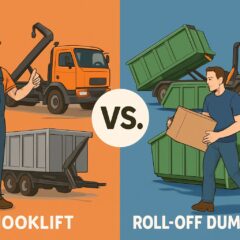
Roll-Off vs. Hook-Lift Container for Construction Site Debris Removal
Choosing the right container for your construction site is crucial. Roll-off containers are ideal for high-volume debris, while hook-lift containers excel in tight spaces. Understanding their differences in operation and flexibility can prevent delays and improve efficiency on your job site…
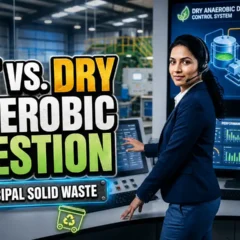
Wet vs. Dry Anaerobic Digestion for Municipal Solid Waste
Waste managers know the hard part is rarely deciding whether to use anaerobic digestion. The real decision is choosing a process that matches your municipal solid waste stream, available water, site footprint, and end market for biogas and digestate. Wet Digestion vs. Solid State AD (SSAD) comes down to solids content and material handling. That […]
Waste Management Pricing: Commercial, Residential, and Dumpster Rental Costs Explained
Waste Management Pricing gets confusing when a simple rubbish service turns into a larger garbage bill with taxes, extra collection fees, and changing disposal costs. For Snohomish County households, the key distinction is between the monthly rate and the amount shown on the invoice. WM bills every three months, so your bill usually reflects three […]
Front-Load vs. Rear-Load Dumpster for Commercial Properties: What Is the Difference?
You know how a waste container can look right on paper yet fail the moment the collection vehicle arrives? That is the key distinction in the front-load vs. rear-load dumpster decision: capacity matters, but vehicle compatibility, clearance and waste streams matter just as much. In the UK, these are more often called front end loader, […]
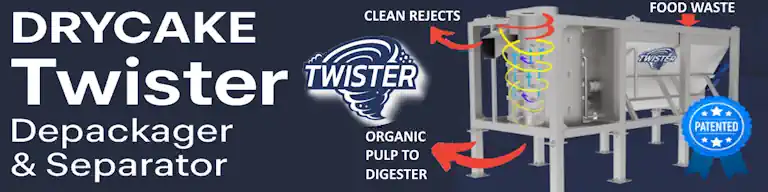
Advantages of Paper Mill Pulp Rejects Processing by Drycake Twister
Discover how the Drycake Twister revolutionizes paper mill pulp rejects processing. By converting a complex waste stream into a resource, it reduces disposal costs and energy use. Say goodbye to traditional methods and explore efficient solutions for recycling and sustainability in your paper mill operations…

Why You Should Recycle Metals and What Metals Can be Recycled
Around 13 million tonnes of ferrous and non-ferrous metal are processed by the UK’s metal recycling industry every year, according to the British Metals Recycling Association. Knowing what metals can be recycled is important. Recycling metal is one of the best ways we can reduce waste — and it’s also essential for the environment. Recycling […]