
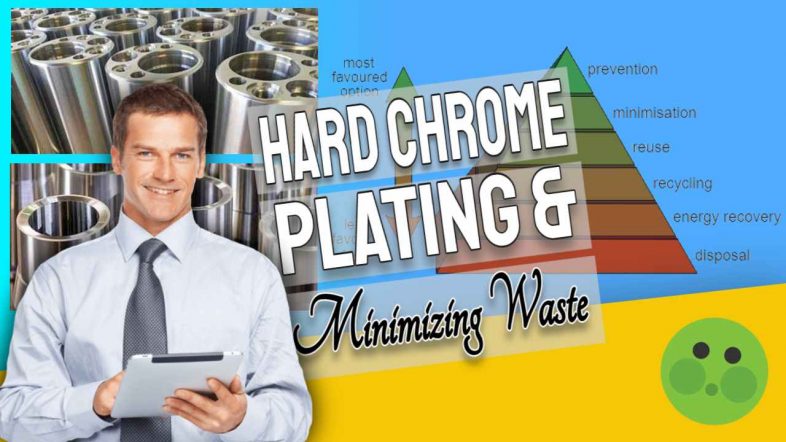
When a worn industrial component can be repaired and returned to service, replacement may be avoided. That can save material and reduce waste. This is one reason hard chrome plating is relevant to waste prevention and resource efficiency, as well as to surface engineering.
At WastersBlog, we cover waste management circles and the wider effort to reduce the environmental impacts of production. Recycling remains important: for example, metals such as iron, which can be recycled endlessly, can be recovered and reused. But recycling takes energy and does not always preserve the value already invested in a manufactured component. Keeping a serviceable part in use, or repairing it where practical, can also help conserve resources.
Hard chrome plating is one industrial surface treatment used to improve wear resistance, reduce friction and restore dimensions on certain components. It is not automatically the most sustainable option: plating uses energy and chemicals, and the part’s operating conditions and repair history matter. The useful question is whether the coating helps a component perform reliably for longer, compared with replacement or another suitable treatment.
Key Takeaways
- Hard chrome plating is a functional coating used for wear resistance, low friction and, in suitable designs, corrosion protection.
- Common applications include hydraulic rods, shafts, rollers, piston rings and moulds.
- Plating can sometimes restore a worn component’s dimensions and extend its service life, avoiding premature replacement.
- Coating thickness, surface preparation, finishing and working conditions all affect performance.
- Hard chrome plating uses hazardous chromium compounds in the process. UK businesses must check the applicable UK REACH authorisation and workplace controls.
- Alternatives such as thermal-sprayed coatings or electroless nickel may suit some applications, but selection depends on the component and its duty.

What Is Hard Chrome Plating?
Hard chrome plating, also called functional or engineering chrome plating, is an electroplating process. Chromium is deposited onto a component from a plating solution, commonly one based on chromic acid. The coating is intended to provide functional surface properties rather than simply a bright decorative appearance.
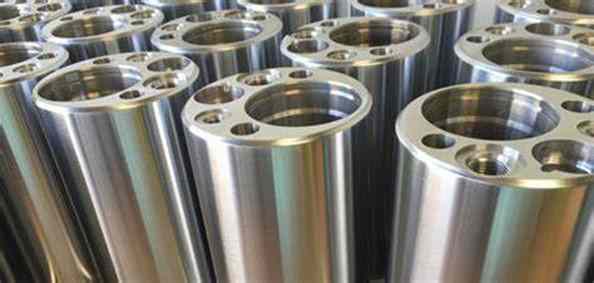
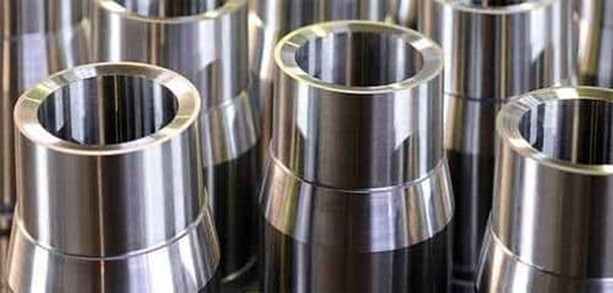
Hard chrome is used where a component needs a hard, wear-resistant surface with a low coefficient of friction. Depending on the coating design and application, it can also provide corrosion resistance. It is commonly found on hydraulic cylinder rods, shafts, rollers, piston rings and moulding equipment. The coating may be ground or polished after plating to meet dimensional and surface-finish requirements.
Hard chrome is not a blend of several metals. The original description of a chrome layer containing zinc, copper, tin, manganese and titanium was inaccurate. Coating composition and structure depend on the process, and should be confirmed with the plating supplier for the specific specification.
Why Is Hard Chrome Used on Industrial Components?
Industrial parts often operate under repeated sliding contact, abrasion, pressure or exposure to moisture and process fluids. The right surface treatment can help manage those conditions and reduce wear on the underlying component.
Wear resistance and low friction
Hard chrome coatings are used on sliding and moving surfaces where wear resistance and low friction are important. Examples include hydraulic piston rods, shafts, rollers and some tooling. The result depends on the component design, coating thickness, surface finish, lubrication and operating environment; a coating alone cannot prevent every form of wear or failure.
Repair and dimensional restoration
One useful application is rebuilding a worn surface. A component may be plated and then finished to bring it back to a specified dimension. When the part is otherwise suitable for continued use, repair can avoid scrapping it and manufacturing a replacement.
This can save you money when the repair cost, turnaround time and expected remaining service life compare favourably with replacement. The decision should include inspection for cracks, distortion, fatigue or other damage that plating will not fix.
Corrosion protection
Hard chrome can help protect surfaces against corrosion in appropriate applications, but it should not be treated as universally corrosion-proof. Coating structure, thickness, substrate, damage, exposure and maintenance all affect corrosion performance. Where a part will face salt water, aggressive chemicals or other severe conditions, its suitability needs to be checked against the actual service environment.
Does Hard Chrome Plating Reduce Waste?
It can contribute to waste prevention when it helps a component remain in service or makes a sound part repairable. Reusing an existing component can avoid some of the materials and manufacturing steps involved in producing a replacement. That is different from claiming that plating is always environmentally preferable.
The process itself consumes energy and uses chemicals that require appropriate handling and controls. A fair comparison should consider the component’s expected extra service life, the energy and materials needed for plating and finishing, transport, rejected or unrepairable parts, and the impacts of manufacturing a replacement.
The waste hierarchy image above illustrates why prevention and reuse are relevant alongside recycling. In practice, the best option depends on the part and its condition: repair, recoat, reuse, recycle or replace should be considered in that order where technically and economically appropriate.
Hard Chrome Plating and Chromium Safety
Hard chrome electroplating commonly uses a solution containing hexavalent chromium compounds. The plating bath and its mist present health and environmental risks that require suitable controls. The metallic chromium coating on a finished component is not the same thing as the chromium compound used in the process.
In Great Britain, chromium trioxide is subject to UK REACH authorisation requirements for specified uses. Businesses should check that the plating operation and supply chain have the authorisation coverage that applies to their use. Employers must also assess and control workplace exposure under applicable health and safety requirements. For current guidance, consult the HSE information on authorisations of hexavalent chromium compounds and the relevant UK REACH decision.
This is one reason a buyer should ask a plating supplier about process controls, authorisation coverage, waste management and the coating specification, not just the price per component.
Hard Chrome Plating Alternatives
There is no single replacement coating that suits every hard chrome application. Depending on the part and its operating conditions, alternatives may include thermal-sprayed coatings such as high-velocity oxy-fuel (HVOF), electroless nickel, nitriding or other engineered surface treatments.
Each option has different strengths, limitations, costs and finishing requirements. A coating that performs well on one hydraulic rod or roller may not be suitable for another. Compare options against the real requirements: wear mode, corrosion exposure, friction, dimensions, substrate, repairability, expected service life and applicable regulations. Nickel may be a suitable alternative to hard chrome plating in some applications, but it should be selected on technical evidence for the specific component.
For a general technical overview of the process and coating options, see TWI’s explanation of hard chrome plating.
How to Specify a Hard Chrome Coating
A useful specification should describe the component’s function and operating conditions, not just request “chrome plating”. Discuss the following with the coating supplier:

- Component material and geometry: confirm that the substrate and part dimensions are suitable for the process.
- Required coating thickness: state the finished dimensions and tolerances, allowing for any grinding or polishing after plating.
- Surface finish: specify the finish required where seals, bearings or sliding parts contact the surface.
- Service conditions: describe loads, movement, lubrication, temperature, moisture and chemical exposure.
- Inspection and acceptance: agree how thickness, finish, adhesion and other relevant requirements will be checked.
- Repair assessment: establish whether the part is structurally sound and whether plating can restore its required function.
- Supplier controls: ask about relevant UK REACH authorisation, worker protection and management of process wastes.
Is Hard Chrome Plating Right for Your Application?
Hard chrome plating can be valuable where a component needs a durable functional surface or can be restored for continued service. Its role in waste prevention is strongest when it demonstrably extends the useful life of a sound component and avoids unnecessary replacement.
It is not simply a decorative finish, a universal corrosion solution or a guarantee of lower environmental impact. Assess the operating conditions, repair options, coating alternatives, process controls and expected service life before making a decision. That is how engineers can balance performance, cost and resource use.
Frequently Asked Questions
What is hard chrome plating used for?
It is used to provide functional surface properties such as wear resistance, low friction and, in suitable applications, corrosion resistance. Common examples include hydraulic rods, shafts, rollers, piston rings and moulding equipment.
Can hard chrome plating repair a worn component?
It can sometimes rebuild a worn surface so that the component can be finished back to a required dimension. The part must first be assessed to confirm it is sound and suitable for repair.
Is hard chrome plating the same as decorative chrome?
No. Hard chrome is an engineering coating intended for functional properties. Decorative chrome is used primarily for appearance and is generally applied as a different coating system.
Does hard chrome plating contain hexavalent chromium?
The plating process commonly uses a bath containing hexavalent chromium compounds. The deposited metallic chromium coating is not the same substance as the chromium compound in the bath. Plating operations require appropriate regulatory and workplace controls.
Is hard chrome plating environmentally friendly?
It can help avoid waste if it extends the life of a component or enables repair, but the plating process itself uses energy and hazardous chemicals. Environmental performance depends on the full comparison with replacement and other coating options.
What are the alternatives to hard chrome plating?
Possible alternatives include HVOF thermal-sprayed coatings, electroless nickel and other engineered surface treatments. No single alternative is suitable for every component; the choice depends on its function and service conditions.
References
- TWI: What is hard chrome plating?
- HSE: Authorisations of hexavalent chromium compounds
- UK REACH: Authorisation decision for hard chromium electroplating
- This web page provides general background on hexavalent chromium.
Image attribution: DrStuey at the English language Wikipedia, CC BY-SA 3.0, via Wikimedia Commons.
[Published January 2021. Updated November 2026.]




I think that this article hints at what I have been thinking for a long while, and it’s common sense. Real quality pays for itself.
Just look at the classic car market for 50 and 60-year-old Rolls Royce vehicles. Those vehicles are still giving their owner amazing value.
They drive comfortably, as long as they are maintained they don’t cost that much to keep going and what could be a better use of resources than that?
Quality counts. Always buy the most durable and hard-wearing things. Less waste in the result. It’s that simple.
Chrome Plating I have always known for its beauty of finish as there is little to match the sparkle from a well-polished chrome. So, the info here is progress in using this noble material.
I think what I see here in these comments are companies who are involved in the latest trend in the use of chrome plating which is in restoration chroming for members of the public to use in their upcycling and restoration projects. We think that this is a wonderful development which helps people to extend the life of their possessions such as bykes cars, and anything else which has been chrome plated and has seen better days.
Submit some photo’s and our estimators will send you a free estimate with our proposals and costs.
Sir may i know the voltage and ampere you use when plating? Thankyou
We offer a comprehensive range of metal finishing services including electro-plating, Anodising, Phosphating, Powder Coating and much much more. We pride ourselves on our dedication.
People ask which things they can get chromed, but it’s hard to make a list. The list is endless as to what we have chrome plated in the past ranging from larger items – Marine, Classic Cars, Scooters, Motorcycles and Bicycles to the smaller items like taps and general household items that the owners just wanted to give a new lease of life to. We can do everything – If you are unsure whether you can plate your item we can provide the answers.
I recommend it. It’s a versatile process that can be applied to a wide variety of metals including High Alloy and Stainless Steel, Nickel Based Alloys, Brasses and Bronzes as well as Aluminium alloys.
Yes. Hard metals are good. Plastics should be banned.
The UK produces more plastic waste per person than almost every other country in the world – 2nd only to the US.
British plastic is getting dumped and burned in the open air, creating serious health problems for local people. It also gets into the ocean, killing marine life like seabirds, turtles and dolphins.
Tell government to fix our plastic waste crisis in a way that doesn’t harm people – or the planet.
Is there a way to reduce the buildup of hydrogen gas when plating chrome? It’s insane how many explosions I’ve been through.
I find it surprising that chrome works as an excellent plating material. My friend is interested in remodeling his uncle’s old muscle car and using it for daily drives. I should talk to him about finding a chrome plating company that can restore its beautiful appearance.