Reduce, reuse, recycle is one of the best-known environmental phrases in the world. It is short, memorable and useful. It has helped millions of people understand that waste is not just something to throw away. It is something to prevent, preserve and manage more carefully.
But there is one problem. Many people remember the three words, but forget the order.
The order matters. Reduce comes first. Reuse comes second. Recycle comes third. Recycling is important, but it is not the first or best option. In proper waste management, recycling should usually happen only after we have asked whether the waste could have been avoided or the product used again.
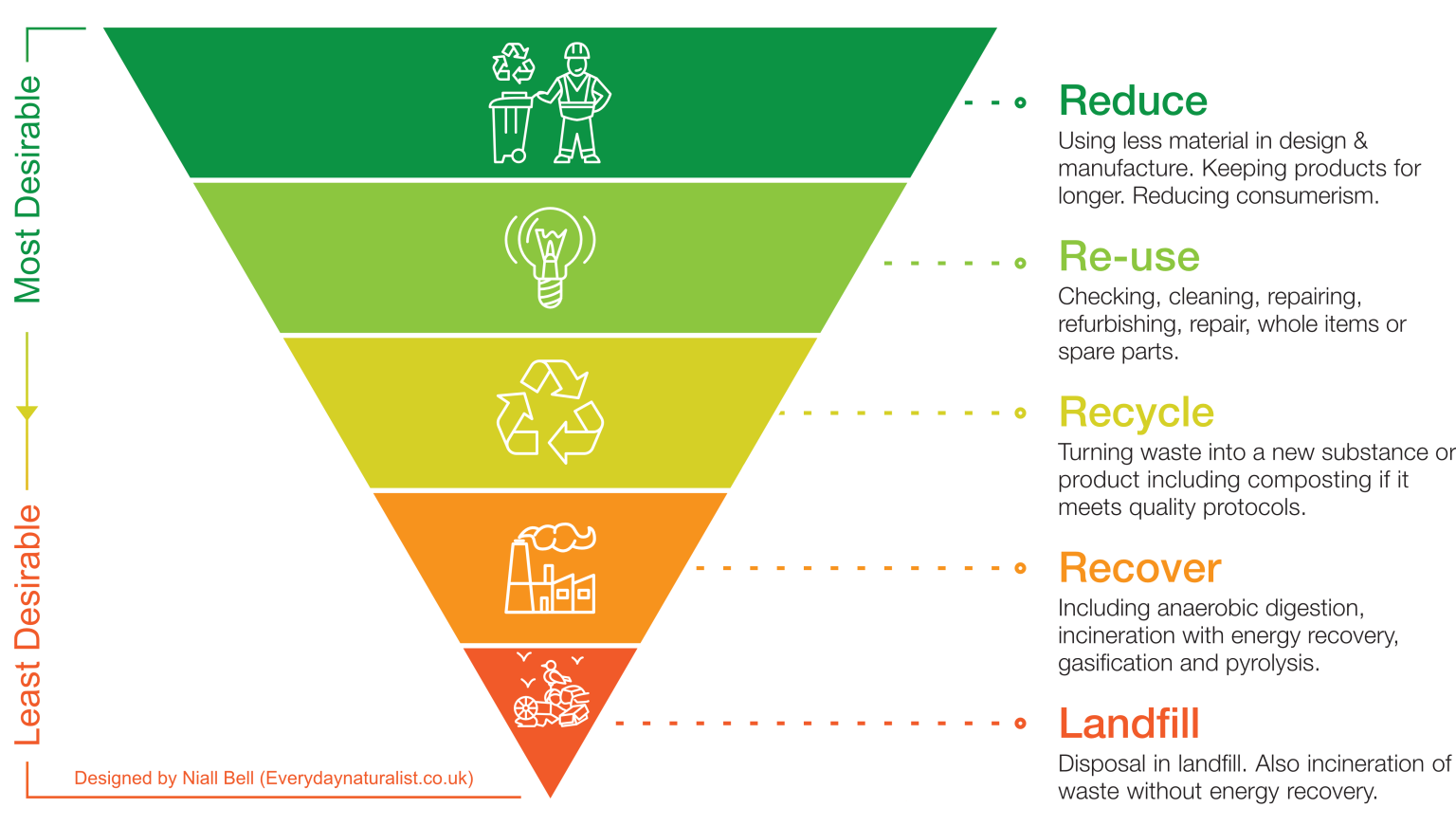
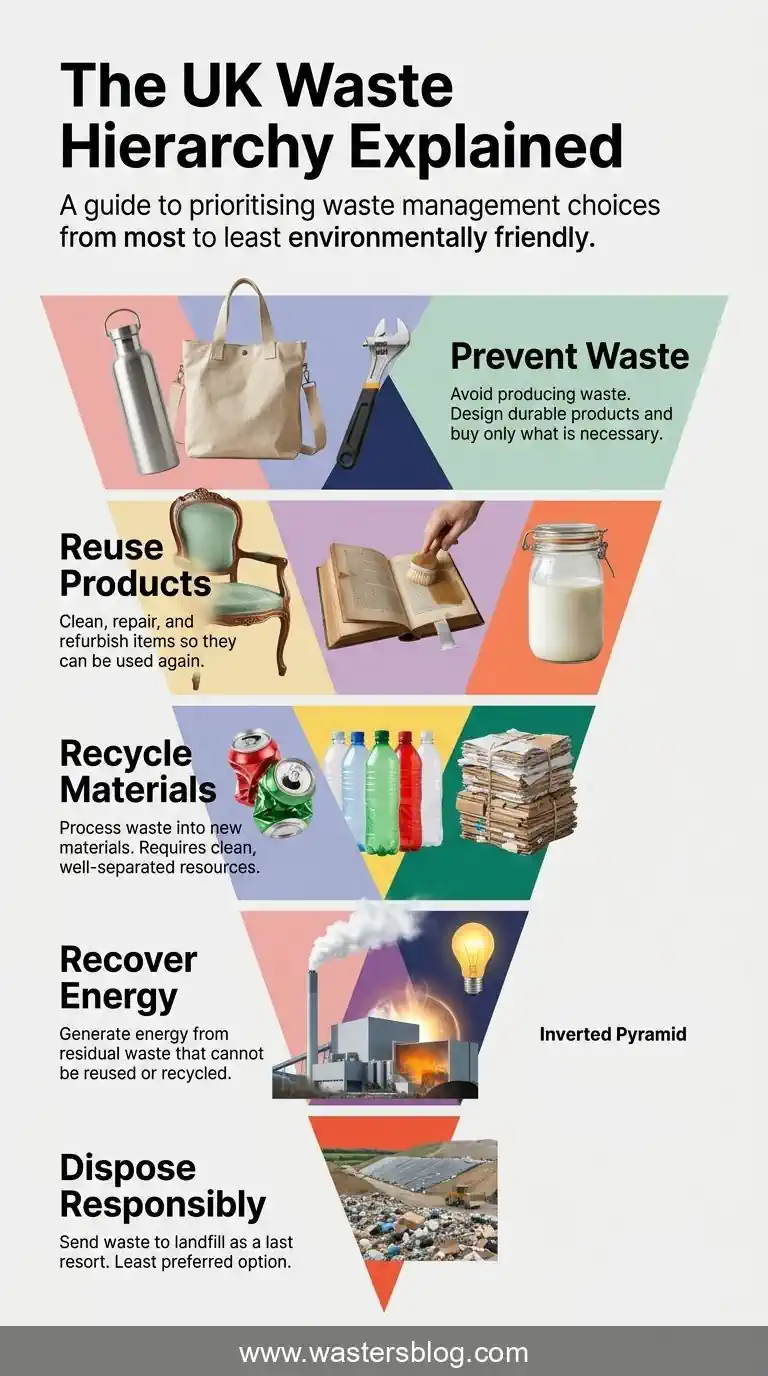
This is exactly the logic behind the wider waste hierarchy. The hierarchy places waste prevention at the top, followed by preparing for reuse, recycling, other recovery and disposal last. Guidance on applying the waste hierarchy
For the complete guide to the hierarchy, see our main article: Waste Hierarchy Explained: The Complete Guide to Reducing Waste Before Recycling.
Key Takeaways
- Reduce, reuse, recycle is still a good phrase, but it only works properly when the words are followed in the right order.
- Reducing waste is usually better than reusing it. It avoids the need to manage the material later.
- Reusing products is usually better than recycling them. Reuse keeps the original product in service for longer.
- Recycling remains important, but it is not the first step in responsible waste management.
- The waste hierarchy expands the idea by adding recovery and disposal below recycling.
- The UK has improved, but the official UK household recycling rate was still only 44.6% in 2023.
- The best waste decision often happens before the bin, at the point of design, buying, storage, repair or reuse.
What Does Reduce, Reuse, Recycle Mean?
The phrase reduce, reuse, recycle gives a simple order of preference for handling materials and products.
- Reduce means using less and avoiding unnecessary waste.
- Reuse means using a product, item or material again instead of discarding it.
- Recycle means processing waste material into a new product, material or substance.
That order is important because each step usually preserves less value than the one before it.
If waste is prevented, there is nothing to collect, sort, transport, process or dispose of. If a product is reused, much of the value already built into it is retained. If it is recycled, the original product is usually broken down, and energy and processing are needed to make something new.
Why Reduce Comes First
Reduce comes first because the best waste is the waste that never exists.
Waste prevention avoids the environmental impacts of extraction, manufacturing, packaging, transport, storage, collection and treatment. It can also save money.
Examples of reducing waste include:
- buying only what you need;
- avoiding unnecessary packaging;
- choosing durable products instead of disposable ones;
- planning meals to reduce food waste;
- repairing equipment instead of replacing it too early;
- using digital documents instead of printing unnecessarily;
- choosing refillable or concentrated products;
- avoiding cheap items that are likely to break quickly.
England’s waste prevention programme says the aim is to keep goods in circulation for as long as possible and at their highest value. Waste prevention programme for England
This is why reducing waste is more powerful than simply improving recycling. A recycled plastic bottle is better than a discarded one. But a bottle that was never needed may be better still.
Why Reuse Comes Before Recycling
Reuse means keeping a product in use for longer. It may involve cleaning, repairing, refilling, donating, selling, sharing or simply using the same item again.
Reuse normally comes before recycling because it preserves the original product. Recycling often destroys the original form of the product and turns it back into material.
Examples of reuse include:
- using a reusable water bottle;
- refilling a container;
- repairing clothes instead of throwing them away;
- donating furniture to a reuse charity;
- selling unwanted equipment second-hand;
- using returnable delivery crates;
- repairing a bicycle, laptop, chair or appliance;
- passing children’s clothes or toys to another family.
Reuse is especially important for products that contain a lot of embodied energy, such as electrical goods, furniture, building materials and manufactured equipment. Throwing these items away too soon wastes the resources already invested in them.
Why Recycling Comes Third
Recycling is still extremely important. It keeps materials out of landfill and can reduce the need for virgin raw materials. But it is not the first step.
Recycling usually involves:
- separate collection;
- transport;
- sorting;
- cleaning;
- processing;
- manufacturing into new products;
- quality control and market demand.
That is why recycling works best when the material is clean, well separated and genuinely recyclable through the available system.
Contamination can reduce the value of recycling or cause material to be rejected. For example, food waste in dry recycling, non-recyclable plastics in plastic collections, or broken glass in the wrong stream can all create problems.
Recycling should be done properly, but it should not be used as an excuse for overconsumption.
How Reduce, Reuse, Recycle Fits into the Waste Hierarchy
The full waste hierarchy is broader than the three Rs. It includes five main levels:
- Prevention – reduce waste before it is created.
- Preparing for reuse – clean, repair or refurbish items so they can be used again.
- Recycling – process waste materials into new products or materials.
- Other recovery – recover useful value, often energy, from residual waste.
- Disposal – landfill or other final disposal as the last resort.
So “reduce, reuse, recycle” is best understood as the top three levels of the hierarchy in everyday language.
For the UK law and compliance context, see: Waste Hierarchy UK: What the Law Says and How to Apply It in Practice.
Examples of Reduce, Reuse, Recycle in Everyday Life
Food Waste
Reduce: Plan meals, avoid overbuying, store food correctly and use leftovers.
Reuse: Use surplus edible food in another meal or share it where safe and practical.
Recycle: Put unavoidable food waste into a food waste collection or composting system where available.
Packaging
Reduce: Choose products with less packaging or buy loose items where practical.
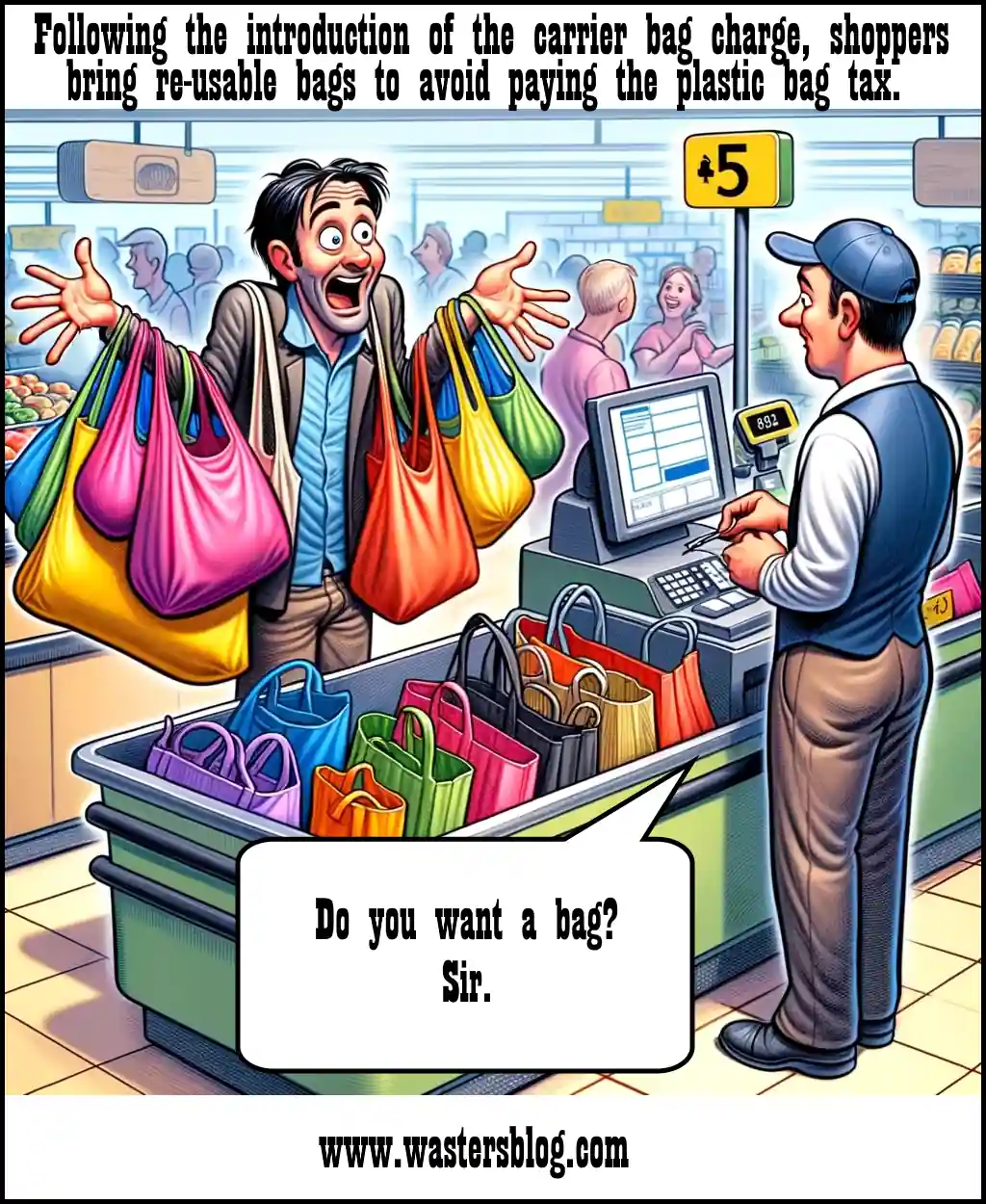
Reuse: Use refillable containers, returnable crates or durable shopping bags.
Recycle: Put clean, accepted packaging into the correct recycling collection.
Clothing
Reduce: Buy fewer low-quality garments and choose clothes you will wear many times.
Reuse: Repair, alter, donate, sell or swap clothing.
Recycle: Use textile recycling for clothes that cannot realistically be worn again.
Paper and Card
Reduce: Avoid unnecessary printing and excessive packaging.
Reuse: Reuse boxes, envelopes and scrap paper where suitable.
Recycle: Keep paper and card clean and place them in the correct recycling stream.
Electrical Goods
Reduce: Avoid unnecessary upgrades and choose repairable products.
Reuse: Repair, refurbish, sell or donate working items.
Recycle: Use specialist WEEE recycling routes when equipment cannot be reused.
Furniture
Reduce: Buy durable furniture and avoid short-life items.
Reuse: Repair, reupholster, donate or resell furniture.
Recycle: Recycle wood, metal or other materials only when reuse is no longer practical.
Reduce, Reuse, Recycle at Home
Households can apply the three Rs without making life complicated.
Good household actions include:
- writing a shopping list before buying food;
- using leftovers rather than throwing them away;
- choosing reusable bags, bottles and containers;
- repairing clothes, toys and household goods;
- donating usable items to charity shops;
- using local reuse groups or online marketplaces;
- keeping recycling clean and dry;
- checking local council guidance before putting unusual items in recycling.
In England, household recycling rules are being made more consistent through Simpler Recycling. GOV.UK guidance says household waste collectors must meet the requirements from 31 March 2026, unless a transitional arrangement applies. Simpler Recycling: household recycling in England
This should reduce confusion, but residents will still need to use the system properly. A clearer collection system will not help if recyclable materials are contaminated or if reusable items are thrown away too soon.
Reduce, Reuse, Recycle at Work
Workplaces can also apply the same order.
Good workplace actions include:
- reducing unnecessary printing;
- buying supplies in sensible quantities;
- asking suppliers to reduce packaging;
- using reusable cups, plates and containers;
- repairing office furniture and equipment;
- reusing envelopes, folders and packaging;
- separating food waste, paper, card, glass, plastics and metals correctly;
- training staff so that recycling bins are used properly.
Workplace recycling requirements in England changed on 31 March 2025 for most businesses, charities and public sector organisations. Simpler Recycling: workplace recycling in England
For businesses, the three Rs are not only environmental. They can also reduce purchasing costs, storage costs, waste collection costs and compliance risks.
The Problem with “Recycling Guilt”
Many people feel guilty if they put something in the wrong bin or fail to recycle an item. That concern is understandable, but the bigger issue is often earlier in the chain.
The question should not only be, “Can I recycle this?”
Better questions include:
- Did I need to buy this?
- Could I have chosen less packaging?
- Could this be repaired?
- Could someone else use it?
- Could the supplier take it back?
- Could I choose a reusable version next time?
Recycling guilt can sometimes distract from the stronger environmental action: buying less wasteful products in the first place.
Why the UK Still Needs the Three Rs
The UK has improved its waste management compared with the old landfill-heavy era. Many households recycle routinely, and more businesses understand waste separation and duty of care.
However, official UK waste statistics show that the provisional UK recycling rate for waste from households was 44.6% in 2023. Wales achieved 57.0%, while England’s provisional rate was 44.0%. UK statistics on waste
Those figures show progress, but they also show why reduce, reuse, recycle still matters. If more than half of household waste is not being counted as recycled, there is still a lot to do.
More importantly, recycling rates do not tell the whole story. A society can recycle more and still consume too much. That is why the first two words, reduce and reuse, deserve more attention.
Common Mistakes with Reduce, Reuse, Recycle
Mistake 1: Thinking recycling is the main goal
Recycling is important, but reducing waste and reusing products usually come first.
Mistake 2: Throwing reusable items into recycling
If something can be repaired, donated, sold or used again, reuse is normally better than recycling.
Mistake 3: Buying disposable products because they are recyclable
A recyclable disposable product is still disposable. A reusable product may be better.
Mistake 4: Contaminating recycling bins
Putting the wrong item in a recycling bin can reduce material quality and create problems for recycling facilities.
Mistake 5: Ignoring food waste prevention
Food waste should not simply be seen as something to collect. Preventing edible food waste is normally better than recycling it through composting or anaerobic digestion.
Mistake 6: Forgetting businesses and producers
Householders matter, but producers, retailers, councils and businesses also shape how much waste is created and how easy it is to reduce, reuse and recycle.
Quick Checklist: Before You Recycle, Ask This
- Could I avoid buying this next time?
- Could I buy a longer-lasting alternative?
- Could I choose less packaging?
- Could this item be repaired?
- Could it be reused by me or someone else?
- Could it be donated, sold or shared?
- Is it accepted in my local recycling collection?
- Is it clean and dry enough to recycle?
- If not recyclable, is there a specialist collection route?
- Is residual waste genuinely the only practical option?
Where Recovery and Disposal Fit In
The familiar phrase reduce, reuse, recycle does not include the lower end of the waste hierarchy: recovery and disposal.
Recovery usually means getting some value from residual waste, often through energy recovery. It may be better than landfill for suitable non-recyclable waste, but it is still below recycling in the hierarchy.
Disposal is the last resort. Landfill is the most familiar example.
For a guide to what remains after the first three options, see: Residual Waste Explained: What Is Left After Reduce, Reuse and Recycle?.
More Waste Hierarchy Guides
This article is part of our Waste Hierarchy guide series. You may also find these related articles useful:
- Waste Hierarchy Explained: The Complete Guide to Reducing Waste Before Recycling
- Waste Hierarchy Examples: How Homes, Businesses and Councils Should Apply It
- Waste Hierarchy UK: What the Law Says and How to Apply It in Practice
- Residual Waste Explained: What Is Left After Reduce, Reuse and Recycle?
Conclusion: Recycling Is Good, But Reducing Is Better
Reduce, reuse, recycle remains a strong and useful message. But it should not be shortened in people’s minds to “recycle”.
The real message is about order. Reduce waste first. Reuse products wherever possible. Recycle materials properly when prevention and reuse are no longer realistic.
The UK has improved in many ways, but the amount of waste still produced means that the three Rs remain as relevant as ever. Better recycling collections will help, but they cannot replace better choices about what we buy, how long we use it and whether it needs to become waste at all.
Recycling matters. But reducing and reusing matter more.
FAQs About Reduce, Reuse, Recycle
What does reduce, reuse, recycle mean?
Reduce means avoiding waste, reuse means using a product again, and recycle means processing waste material into something new.
Why is reduce first?
Reduce comes first because preventing waste avoids the need for collection, transport, sorting, recycling, recovery or disposal.
Why is reuse better than recycling?
Reuse keeps a product in service and preserves more of its original value. Recycling usually breaks the product down into material and requires processing.
Is recycling still important?
Yes. Recycling is essential for materials that cannot be prevented or reused. But it should not be treated as the first option.
How does reduce, reuse, recycle relate to the waste hierarchy?
Reduce, reuse, recycle represents the top three parts of the waste hierarchy in everyday language. The full hierarchy also includes recovery and disposal.
What is an example of reducing waste?
Planning meals to avoid food waste, buying products with less packaging or choosing durable goods instead of disposable ones are all examples of reducing waste.
What is an example of reuse?
Repairing a chair, refilling a bottle, donating clothes or using returnable packaging are examples of reuse.
What is an example of recycling?
Recycling examples include putting clean paper, card, glass bottles, metal cans and accepted plastic packaging into the correct recycling collection.
Why should I not put everything in the recycling bin?
Only accepted materials should go into recycling bins. The wrong items can contaminate recycling and reduce the quality or value of the material.
What should I do if something cannot be reduced, reused or recycled?
If no better option is practical, the item may become residual waste. It may then go to recovery or disposal, depending on local arrangements.