
Sustainable waste management is a philosophy of focusing on minimising environmental harm by reducing waste at the source, reusing materials, recycling, composting, and recovering energy, all while conserving resources, cutting landfill waste, lowering emissions, and ensuring economic viability and social responsibility. It was a concept built around the 3 Rs (Reduce, Reuse, Recycle) and nowadays embraces circular economy principles.
Key Takeaways
- Implementing a waste hierarchy (reduce, reuse, recycle, recover, dispose) can reduce landfill waste by up to 70% when properly executed.
- Graden waste composting diverts up to 30% of household waste from landfills while producing nutrient-rich soil for gardens.
- Circular economy business models are proving that sustainability and profitability can coexist, with companies like TerraCycle seeing 15-20% annual growth.
- Community-based initiatives like repair cafes and tool libraries can extend product lifespans by years, significantly reducing waste.
- ACT Environmental Services helps organizations implement comprehensive waste management programs that comply with regulations while reducing environmental impact.
With global waste generation expected to reach 3.4 billion tons by 2050, implementing sustainable waste management practices isn't just environmentally responsible—it's essential for our planet's survival. Current disposal methods are straining our ecosystems, contaminating water sources, and contributing significantly to climate change. The good news? Solutions exist that can transform our relationship with waste, from individual actions to systemic changes.
The Hidden Crisis: How Our Waste Is Killing the Planet
Every second, the equivalent of one garbage truck of textiles is landfilled or incinerated globally. Plastic waste has infiltrated every corner of our planet—from the deepest ocean trenches to the air we breathe. Even more alarming, decomposing organic waste in landfills produces methane, a greenhouse gas 28 times more potent than carbon dioxide. These statistics represent not just numbers but a planetary crisis demanding immediate action.
Why Traditional Waste Systems Are Failing Us
Traditional waste management approaches follow a linear “take-make-dispose” model that's fundamentally unsustainable. This system assumes infinite resources and unlimited disposal capacity—assumptions we now know are dangerously flawed. Our landfills are reaching capacity, with some major cities like New York shipping waste hundreds of miles away for disposal. Meanwhile, ACT Environmental Services has found that up to 80% of what enters landfills could be recycled, composted, or otherwise diverted. The economic model of traditional waste systems also fails to account for true environmental costs, effectively subsidizing wasteful practices while penalizing sustainable alternatives.
Moreover, these systems disproportionately impact vulnerable communities. Waste facilities are frequently situated near low-income neighborhoods, creating environmental justice concerns. The health impacts—respiratory issues, water contamination, and reduced quality of life—fall heaviest on those with the fewest resources to address them.
The True Environmental Cost of Poor Waste Management
The environmental toll of inadequate waste management extends far beyond visible litter. Leachate from landfills contaminates groundwater with heavy metals and toxic compounds, while microplastics have infiltrated our food chain and drinking water. Marine ecosystems suffer particularly severe impacts, with an estimated 8 million tons of plastic entering our oceans annually—killing marine life through entanglement and ingestion.
Climate implications are equally severe. Landfills account for approximately 11% of global methane emissions, a significant contributor to climate change. Even incineration, often touted as a “waste-to-energy” solution, releases carbon dioxide and potentially toxic compounds when not properly controlled. The extraction of virgin materials to replace what we discard further compounds these environmental impacts, creating a destructive cycle that depletes natural resources and damages ecosystems worldwide. For more information on reducing landfill dependence, explore innovative technologies that can help break this cycle.
“The Importance of Sustainable Waste …” from acterra.org and used with no modifications.
5 Core Principles of Sustainable Waste Management
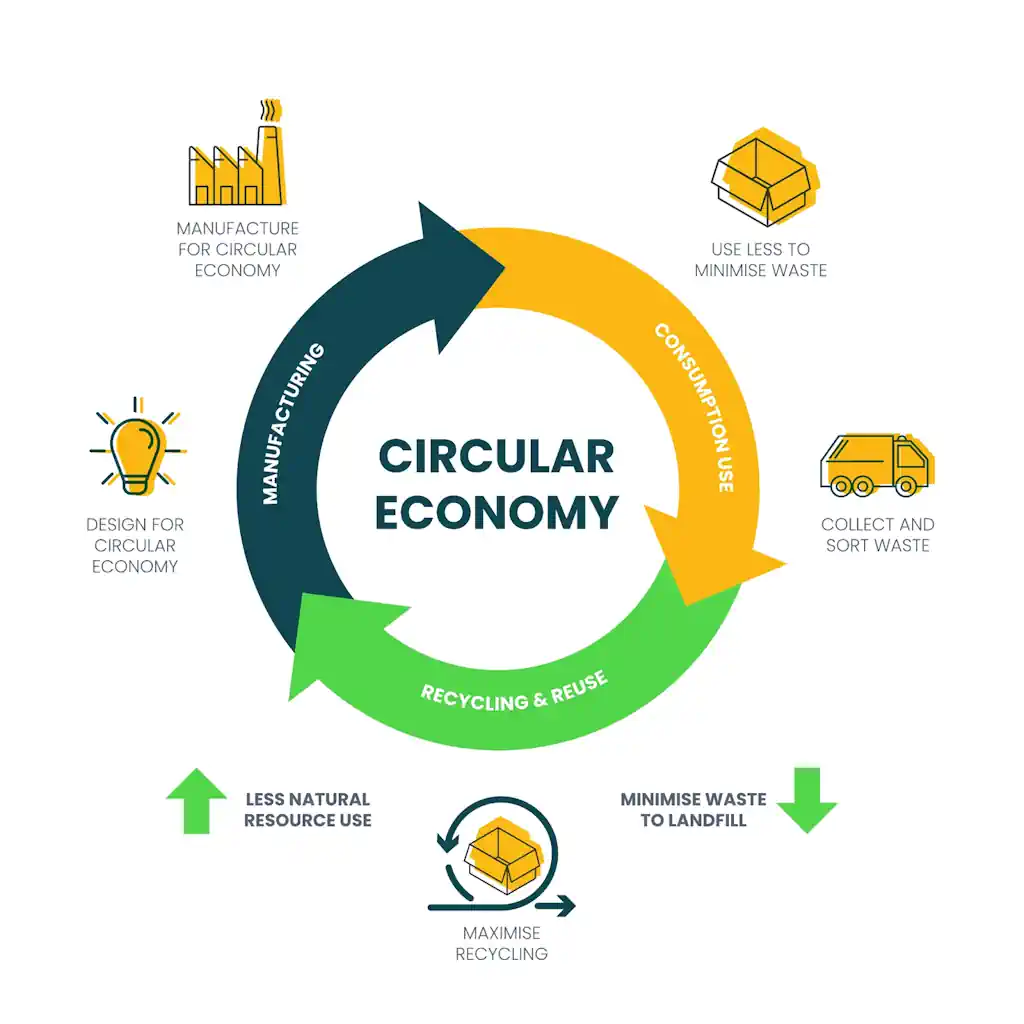
Sustainable waste management follows a hierarchical approach that prioritises preventing waste creation above all other strategies. This framework—often called the waste hierarchy—provides a blueprint for addressing waste in order of environmental preference. By following these principles systematically, communities and organisations can dramatically reduce their waste footprint while often realising economic benefits.
1. Reduce: Stop Waste Before It Starts
Reduction sits at the top of the waste hierarchy because preventing waste creation delivers the greatest environmental benefit. This approach targets the root cause of our waste crisis by questioning consumption patterns and product design. Smart purchasing decisions—buying durable goods, choosing products with minimal packaging, and resisting impulse purchases—form the foundation of waste reduction strategies.
For businesses, waste reduction might involve redesigning products or packaging to use fewer materials while maintaining functionality. Some companies have achieved remarkable results through “lightweighting”—reducing material inputs without compromising product integrity. For example, some beverage manufacturers have reduced plastic bottle weight by up to 40% through design innovations, saving resources and reducing waste at its source. Learn more about innovative technologies reducing landfill dependence.
Digital transformation offers another powerful reduction strategy. The shift from physical to digital formats for books, music, and documents eliminates material consumption entirely. Similarly, service-based business models that provide access rather than ownership can dramatically reduce resource use while meeting consumer needs.
2. Reuse: Give Products Multiple Lives
Reuse extends product lifespans and keeps valuable materials in circulation longer. This principle applies to everything from clothing and furniture to building materials and industrial equipment. Repair, refurbishment, and repurposing represent different approaches to reuse, all of which reduce resource consumption and waste generation.
On a personal level, choosing reusable alternatives to single-use items delivers immediate waste reduction benefits. Reusable water bottles, shopping bags, and food containers eliminate thousands of disposable items over their lifetimes. The financial savings can be substantial—a quality reusable water bottle costing $25 can replace hundreds of dollars' worth of bottled water purchases while preventing hundreds of plastic bottles from entering the waste stream.
For businesses, reuse opportunities exist throughout the supply chain. Durable shipping containers, pallets, and packaging can be returned and reused repeatedly. Some industries have developed sophisticated reverse logistics systems that recover, inspect, and reprocess everything from printer cartridges to automotive parts, capturing value that would otherwise be lost to landfills.
3. Recycle: Transform Waste Into Resources
Recycling converts discarded materials into new products, creating a closed-loop system that reduces virgin material extraction. While not as environmentally beneficial as reduction or reuse, recycling still delivers significant advantages over disposal. Modern recycling operations recover paper, metals, glass, plastics, electronics, and numerous other materials, keeping them in productive use.
The recycling process varies by material but generally involves collection, sorting, processing, and manufacturing. Metals offer perhaps the clearest recycling success story—aluminum recycling uses 95% less energy than primary production while delivering a material identical in quality. Paper recycling saves trees and energy while reducing water pollution, though fibers typically degrade with each cycle. Plastics present greater challenges due to contamination issues and the variety of polymer types, but technological advances are improving plastic recycling effectiveness.
The economic viability of recycling depends on many factors, including material value, collection costs, processing technology, and market demand for recycled content. Communities can improve recycling economics through education campaigns that reduce contamination, policies that create markets for recycled materials, and investments in sorting infrastructure. When well-executed, recycling programs create jobs, conserve resources, and reduce environmental impacts—a triple win for sustainability.
4. Recover: Extract Value From Remaining Waste
Recovery processes extract value—typically energy—from waste that cannot be reduced, reused, or recycled. While less preferable than the previous options in the hierarchy, recovery diverts waste from landfills while potentially offsetting fossil fuel use. Modern waste-to-energy facilities generate electricity or heat through controlled combustion while capturing and treating emissions to minimize environmental impacts.
Biological recovery methods like anaerobic digestion convert organic waste into biogas and nutrient-rich digestate. This approach works particularly well for food waste, agricultural residues, and sewage sludge. The resulting biogas can power vehicles, generate electricity, or provide heating, while digestate serves as a soil amendment. Unlike incineration, biological recovery preserves nutrients and can integrate seamlessly with agricultural systems.
Advanced recovery technologies continue to emerge, including gasification, pyrolysis, and chemical recycling. These processes break waste down into component molecules that can be reassembled into fuels or virgin-quality materials. While still evolving, these technologies may offer pathways to recover value from complex or contaminated waste streams that currently end up in landfills.
5. Dispose: Last Resort Methods That Minimize Harm
Disposal represents the last and least preferred option in the waste hierarchy. When waste cannot be addressed through higher-level strategies, the focus shifts to minimizing environmental harm from disposal. Modern engineered landfills include liners, leachate collection systems, and gas capture infrastructure to reduce groundwater contamination and methane emissions. While vastly improved over open dumps, even the best landfills eventually leak and produce emissions.
For hazardous materials, specialized disposal facilities provide secure containment to prevent environmental contamination. These facilities employ various technologies—from stabilization/solidification to vitrification—to render dangerous materials less mobile or toxic. Strict regulations govern hazardous waste disposal to protect public health and the environment, though implementation varies globally.
The goal of sustainable waste management is to minimize reliance on disposal by maximizing higher-level approaches. Communities and organizations that successfully implement comprehensive waste strategies often reduce disposal volumes by 70% or more, extending landfill lifespans while reducing environmental impacts.
Smart Home Waste Reduction Strategies Anyone Can Use
Sustainable waste management begins at home, where daily decisions impact how much waste we generate. With thoughtful approaches, households can dramatically reduce their waste footprint without sacrificing convenience or quality of life. The following strategies focus on practical, accessible changes that deliver meaningful results.
Zero-Waste Kitchen Transformations
The kitchen typically generates more waste than any other area of the home, making it the perfect starting point for waste reduction efforts. Food waste represents approximately 30% of household waste, but simple practices can minimize this significantly. Meal planning, proper food storage, creative use of leftovers, and understanding date labels all help reduce food waste. Composting inedible food scraps—whether through backyard composting, worm bins, or municipal collection—completes the picture by returning nutrients to soil rather than sending them to landfills.
Packaging waste presents another opportunity for kitchen waste reduction. Buying in bulk with reusable containers eliminates packaging waste while often saving money. For items that must be purchased packaged, choosing recyclable or compostable packaging minimizes environmental impact. Reusable alternatives to single-use kitchen items—cloth napkins instead of paper, silicone baking mats instead of parchment paper, beeswax wraps instead of plastic film—further reduce waste while often performing better than their disposable counterparts.
Water filtration systems eliminate the need for bottled water, preventing plastic waste while providing clean drinking water. Similarly, making beverages at home—from coffee and tea to carbonated drinks—reduces packaging waste while allowing customization to personal preferences. These kitchen transformations often save money while reducing waste, creating positive reinforcement for sustainable choices.
Bathroom Waste Elimination Tactics
Bathrooms generate significant waste through disposable products and excessive packaging. Transitioning to sustainable alternatives creates immediate waste reduction while often improving the user experience. Solid shampoo bars, conditioner bars, and soap bars eliminate plastic bottles while lasting longer than their liquid counterparts. A single shampoo bar can replace up to three plastic bottles, reducing packaging waste by 90%.
For personal hygiene, reusable alternatives to disposable products deliver substantial waste reduction. Menstrual cups, cloth pads, or period underwear replace disposable products, preventing thousands of single-use items from entering landfills over a lifetime. Similarly, safety razors with replaceable blades eliminate plastic razor waste while providing a superior shave and saving money long-term. Bamboo toothbrushes, refillable floss containers, and tooth powder or tablets in reusable containers further reduce bathroom waste.
Water conservation represents another aspect of bathroom sustainability. Low-flow showerheads and faucet aerators reduce water consumption without compromising performance. Dual-flush toilets or toilet tank displacement devices minimize water use while maintaining functionality. These water-saving measures reduce both resource consumption and utility bills, creating environmental and financial benefits simultaneously.
Digital Solutions to Track and Reduce Your Waste
Technology offers powerful tools for waste reduction through measurement, education, and connection. Waste tracking apps allow households to monitor their waste generation patterns, identifying opportunities for improvement and measuring progress over time. Some apps include barcode scanning features that provide recycling instructions for specific products, eliminating confusion about proper disposal. Others connect users with local recycling facilities, repair services, or secondhand markets, making sustainable choices more accessible.
Smart home systems can reduce waste through automation and optimization. Refrigerators with internal cameras allow users to check contents remotely, preventing duplicate purchases and reducing food waste. Smart irrigation systems adjust watering schedules based on weather conditions and soil moisture, conserving water while maintaining healthy landscapes. Connected composting systems monitor temperature and moisture, ensuring optimal decomposition while providing users with actionable insights.
Digital platforms also facilitate sharing and reuse, extending product lifespans and reducing consumption. Neighborhood sharing apps connect people who need items temporarily with those willing to lend, reducing the need for individual ownership of seldom-used items. Buy-nothing groups foster community connections while keeping useful items in circulation rather than in landfills. These digital solutions amplify individual efforts through collective action and shared knowledge.
Community-Level Waste Management Solutions That Work
While individual actions are important, community-level initiatives create systems and infrastructure that make sustainable choices easier and more effective. Successful community programs combine education, incentives, and accessible infrastructure to drive widespread participation and measurable waste reduction. These collaborative approaches often deliver benefits beyond waste reduction, including cost savings, job creation, and strengthened community bonds.
Composting Programs That Transform Neighborhoods
Community composting programs divert organic waste from landfills while producing valuable soil amendments for local use. These programs range from neighborhood-scale operations to municipal collection systems, but all share the goal of returning nutrients to soil rather than wasting them in landfills. Successful programs make composting convenient through regular collection or accessible drop-off locations, provide education on proper composting practices, and distribute finished compost to participants or community projects. For more insights on sustainable practices, check out this article on sustainable waste management.
The environmental benefits of community composting extend beyond waste reduction. Finished compost enhances soil health, reduces erosion, conserves water, and sequesters carbon. When used in urban agriculture or landscaping, compost reduces the need for chemical fertilizers while improving plant health and yield. Some communities have documented 25-40% reductions in landfill waste through comprehensive composting programs, demonstrating the significant impact of these initiatives.
Community composting also creates social benefits by bringing neighbors together around a shared purpose. Volunteer-run programs build skills and relationships while transforming “waste” into a community resource. Some programs incorporate education about food systems and soil health, connecting composting to broader sustainability concepts. The tangible results—reduced waste, improved soil, thriving gardens—provide visible evidence of collective impact that motivates continued participation.
Share Economy Models That Slash Consumer Waste
Share economy initiatives reduce waste by maximizing the utility of existing products through collaborative consumption. Tool libraries allow community members to borrow seldom-used tools rather than purchasing items that might be used only a few times. Similar lending libraries exist for kitchen equipment, camping gear, formal attire, and countless other categories. These programs reduce consumption and storage needs while providing access to high-quality items that might be unaffordable for individual purchase.
Repair cafés represent another powerful share economy model. These events bring together skilled volunteers and community members with broken items, providing repairs at minimal or no cost. Beyond fixing specific items, repair cafés teach skills, build community, and challenge the throwaway culture. Regular repair events can prevent thousands of items from entering the waste stream while extending their useful lives.
Community-supported agriculture (CSA) programs and food rescue initiatives address food waste through direct connections between producers and consumers. These systems shorten supply chains, reducing packaging and transportation while ensuring that edible food nourishes people rather than landfills. Some communities have developed sophisticated food recovery networks that redirect surplus food from restaurants, grocers, and farms to hunger relief organizations, creating environmental and social benefits simultaneously.
Education Initiatives That Create Lasting Change
Effective waste reduction requires knowledge, skills, and motivation—all of which can be developed through well-designed education programs. Successful community education initiatives go beyond simple information sharing to build practical skills and foster sustainable habits. Workshops on composting, repair, food preservation, and zero-waste cooking equip community members with capabilities that reduce waste while enhancing quality of life.
School-based programs embed waste reduction principles in educational systems, reaching young people during formative years. School composting programs, waste-free lunch initiatives, and sustainability curricula build awareness and habits that students carry throughout their lives. Some schools have reduced cafeteria waste by 70% through comprehensive approaches combining education, infrastructure, and student leadership.
“Education is the foundation of lasting change. When people understand why waste reduction matters and how to implement it in their daily lives, they become powerful agents of transformation in their homes, workplaces, and communities.” — Environmental Education Association
Community waste education often incorporates visual elements like waste audits or art installations that make waste visible and tangible. These approaches transform abstract concepts into concrete understanding that motivates action. When combined with accessible infrastructure and supportive policies, education creates the knowledge, ability, and desire necessary for sustained waste reduction.

Revolutionary Technologies Reshaping Waste Management
Technological innovation is transforming waste management capabilities, creating new possibilities for material recovery and pollution prevention. While technology alone cannot solve our waste challenges, strategic application of emerging technologies enhances the effectiveness of comprehensive waste management systems. These innovations span the waste hierarchy, from reduction and reuse to recycling, recovery, and disposal.
AI-Powered Sorting Systems
Artificial intelligence and machine learning have revolutionized waste sorting, enabling faster, more accurate material separation than manual methods. Advanced optical sorting systems use cameras and sensors to identify materials based on visual characteristics, while robotic sorting systems combine AI vision with mechanical arms to extract specific items from mixed waste streams. These technologies can distinguish between different types of plastics, detect contaminants, and sort items at speeds exceeding 10,000 pieces per hour.
The precision of AI-powered systems increases recycling rates by recovering materials that would otherwise be missed, while reducing contamination that diminishes recycled material value. Some facilities have documented 90% sorting accuracy with these systems, substantially improving upon manual sorting results. Beyond efficiency gains, automated sorting creates safer working conditions by removing humans from hazardous sorting environments.
Data analytics capabilities integrated with sorting systems provide valuable insights for system optimization and waste reduction planning. By analyzing waste composition over time, operators can identify emerging trends, measure program effectiveness, and target education or policy interventions. This data-driven approach transforms waste management from a reactive service to a proactive resource management system.
Waste-to-Energy Innovations
Advanced waste-to-energy technologies extract maximum value from non-recyclable materials while minimizing environmental impacts. Modern thermal treatment facilities combine controlled combustion with sophisticated emission control systems that capture pollutants before they enter the atmosphere. These facilities generate electricity and/or heat while reducing waste volume by up to 90%, extending landfill capacity while producing renewable energy.
Biological conversion technologies like anaerobic digestion process organic waste in oxygen-free environments, producing biogas and nutrient-rich digestate. The biogas—primarily methane and carbon dioxide—can generate electricity, provide heating, or fuel vehicles after purification. When applied to food waste, these systems recover both energy and nutrients while diverting problematic organic materials from landfills where they would generate methane emissions.
Emerging technologies like gasification and pyrolysis convert waste into synthesis gas or bio-oil through thermal decomposition in low-oxygen environments. These intermediate products can be refined into transportation fuels or chemical feedstocks, potentially creating closed-loop systems where waste becomes the raw material for new products. While still evolving, these technologies offer promising pathways for difficult-to-recycle materials.
Biodegradable Alternatives to Common Waste Culprits
Innovative biomaterials are replacing problematic conventional materials in numerous applications, reducing waste while utilizing renewable resources. Plant-based plastics derived from sources like corn, sugarcane, or algae offer biodegradable alternatives to petroleum-based plastics for packaging, food service items, and consumer products. When properly composted, these materials break down into water, carbon dioxide, and biomass without leaving persistent microplastics in the environment.
Mycelium-based materials—grown from mushroom roots—provide sustainable alternatives to expanded polystyrene foam for packaging and insulation. These materials consume agricultural byproducts during production, creating value from what would otherwise be waste. At end-of-life, mycelium packaging composts completely, returning nutrients to soil and leaving no persistent waste.
Seaweed-based packaging represents another innovative category with promising sustainability characteristics. These materials utilize abundant marine resources, require no freshwater or land for production, and biodegrade in marine environments if they enter waterways. Some seaweed-based packaging is even edible, eliminating waste entirely for appropriate applications. While adoption remains limited, these materials demonstrate the potential for radical rethinking of material selection to prevent waste creation.
Chemical Recycling Breakthroughs
Chemical recycling technologies break polymers down into their molecular building blocks, enabling infinite recycling of materials that degrade in conventional mechanical recycling. These processes use various combinations of heat, pressure, catalysts, and solvents to convert complex polymers into simpler compounds that can be repolymerized into virgin-quality materials. Unlike mechanical recycling, which typically downcycles plastics into lower-value applications, chemical recycling maintains material quality through multiple lifecycles.
For mixed or contaminated plastics that currently go to landfill, chemical recycling offers a recovery pathway that wasn't previously available. Some processes can handle food residues, additives, and mixed polymer streams that confound mechanical recycling systems. The resulting outputs—monomers, oligomers, or hydrocarbon mixtures—serve as feedstocks for new plastics production, reducing reliance on virgin petroleum while diverting waste from disposal.
While promising, chemical recycling technologies face challenges including high energy requirements, process economics, and potential toxic byproducts if not properly controlled. Environmental life cycle assessments indicate that these technologies deliver net benefits compared to landfilling or incineration, though reduction and reuse remain preferable. As the technologies mature and scale, efficiency improvements and renewable energy integration may further enhance their sustainability profile.
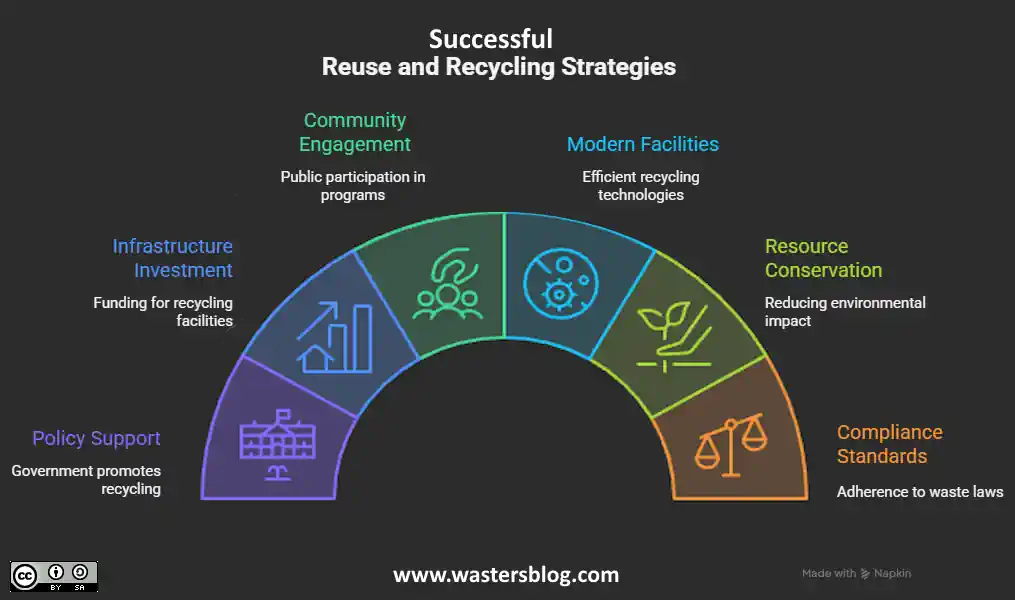
Business Models Leading the Sustainable Waste Revolution
Forward-thinking businesses are reimagining products, services, and operations to minimize waste while maintaining or enhancing profitability. These innovative business models demonstrate that sustainability and economic success can be complementary rather than contradictory goals. By designing waste out of systems from the beginning, businesses reduce costs, mitigate risks, and create competitive advantages while contributing to environmental solutions.
Circular Economy Pioneers
Circular economy businesses replace the traditional linear “take-make-waste” model with regenerative systems that maintain resources at their highest value. Product-as-a-service models offer access rather than ownership, incentivizing manufacturers to create durable, repairable, and upgradable products. Companies like Philips Lighting provide “light as a service,” retaining ownership of fixtures while customers pay for illumination. This approach ensures products are properly maintained, upgraded, and eventually recycled by the manufacturer.
Remanufacturing businesses restore used products to like-new condition, preserving the energy and materials embedded in the original manufacturing while providing customers with high-quality products at lower costs. Companies in sectors from automotive parts to medical equipment have demonstrated that remanufacturing can deliver 40-60% cost savings compared to new production while reducing environmental impacts by similar percentages. These businesses create skilled jobs in inspection, disassembly, and rebuilding while keeping valuable materials in productive use.
Material marketplaces connect waste generators with potential users, transforming one company's waste into another's resource. These platforms operate at various scales, from local industrial symbiosis networks to global materials exchanges. By facilitating these connections, material marketplaces create economic and environmental value while building collaborative relationships across industries and sectors. Some regions have documented 20-30% reductions in industrial waste through these collaborative approaches.
Zero-Waste Stores and Their Impact
Zero-waste retail eliminates packaging waste through bulk sales, reusable containers, and alternative dispensing systems. These businesses allow customers to bring their own containers or use provided reusable options, eliminating single-use packaging from the purchasing process. Beyond bulk food and household products, zero-waste retail concepts now encompass refill stations for cleaning products, personal care items, and even alcoholic beverages.
The environmental benefits of zero-waste retail extend beyond packaging reduction. Many zero-waste stores prioritize local sourcing, reducing transportation emissions and supporting regional economic development. By selling products without packaging, these businesses often focus on whole, minimally processed items that have lower environmental footprints than heavily processed alternatives. The transparency inherent in bulk sales also helps consumers make informed choices about quantity, reducing over-purchasing and associated food waste.
While still representing a small segment of the retail landscape, zero-waste stores demonstrate the feasibility of packaging-free commerce at various scales. Some operate as small, independent businesses in urban centers, while others function as departments within conventional supermarkets or as mobile pop-up services. These diverse implementations show that zero-waste retail can adapt to different contexts and customer bases, providing models for broader adoption.
Corporate Waste Reduction Success Stories
Major corporations are implementing comprehensive waste reduction programs that deliver environmental and financial benefits while enhancing brand reputation. Subaru's zero-landfill manufacturing facilities demonstrate that even complex industrial processes can operate without sending waste to disposal. Through meticulous sorting, partnering with recyclers for specific materials, and redesigning processes to eliminate waste, these facilities have maintained zero-landfill operations for over 15 years while producing vehicles profitably.
How to Create Your Personal Waste Reduction Plan
Creating a structured waste reduction plan transforms good intentions into meaningful results. A personalized approach recognizes that each household has unique characteristics and challenges that influence waste generation and reduction opportunities. By developing a plan tailored to your specific situation, you can maximize impact while minimizing frustration.
Effective waste reduction planning combines measurement, strategic implementation, and continuous improvement. The process identifies baseline conditions, sets reasonable targets, implements changes systematically, and tracks results to celebrate successes and identify further opportunities. While waste elimination represents the ultimate goal, substantial progress comes through incremental improvements that build momentum and confidence. For example, innovative technologies can significantly aid in reducing landfill dependence, contributing to effective waste management strategies.
Week 1: Waste Audit and Baseline Establishment
Begin your waste reduction journey with a household waste audit to understand what you're throwing away and why. For one week, collect, categorize, and weigh all waste generated, including recycling, compost, and trash. This data reveals patterns and opportunities that might otherwise remain invisible. Food packaging, food waste, paper products, and single-use items typically emerge as major waste categories in residential settings. Photographs of sorted waste provide powerful visual documentation that motivates change.
Week 2-4: Implementing Easy Swaps and Habit Changes
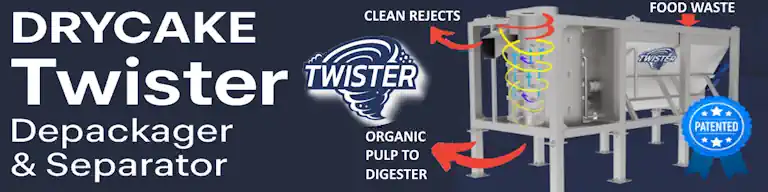
Start with simple, high-impact changes that create immediate waste reduction without requiring significant lifestyle adjustments. Reusable water bottles, shopping bags, and food containers eliminate frequent sources of single-use waste while saving money over time. Meal planning and strategic grocery shopping reduce food waste while improving nutrition and reducing food expenses. Digital subscriptions replace paper magazines and newspapers, eliminating both the physical products and their associated packaging and delivery impacts. For those interested in further reducing waste, consider exploring food waste depackaging equipment to manage and reduce food waste more effectively.
Kitchen waste typically offers substantial reduction opportunities through relatively simple changes. Switching to cloth napkins and towels eliminates paper waste while providing superior performance. Buying staples in bulk with reusable containers reduces packaging waste while often reducing costs. Starting a kitchen compost collection—even if it's just a container that goes to a community compost site—diverts food scraps from landfills while creating awareness of food waste patterns.
Month 2: Tackling Harder Waste Categories
After establishing momentum with easy changes, address more challenging waste categories that may require greater effort, investment, or behavior change. Bathroom products represent a significant waste category that often receives less attention than kitchen waste. Solid shampoo and conditioner bars, safety razors with replaceable blades, refillable dental floss, and cloth alternatives to disposable personal care products all reduce bathroom waste substantially. For more ideas on reducing waste, check out how to reduce waste.
Changing purchasing patterns represents another powerful second-phase strategy. Prioritizing durable, repairable items over disposable alternatives may require higher initial investments but reduces waste and often costs less over time. Shopping secondhand for clothing, furniture, and household goods prevents manufacturing impacts while typically saving money. For necessary new purchases, researching companies with take-back programs, minimal packaging, or circular business models ensures your spending supports waste reduction throughout the supply chain.
- Replace disposable cleaning products with reusable microfiber cloths and refillable cleaning solutions
- Switch to electronic billing and banking to eliminate paper statements
- Invest in rechargeable batteries for devices that require portable power
- Research repair options before replacing broken items
- Explore local sharing programs for rarely-used items like specialized tools or equipment
Home composting represents a powerful waste reduction strategy for households with appropriate space. A well-managed compost system processes food scraps, yard waste, and some paper products into valuable soil amendment while reducing methane-generating waste in landfills. Modern composting systems—from tumblers to worm bins to bokashi fermentation—offer solutions for various living situations. The resulting compost closes the nutrient loop by returning organic matter to soil, whether in your own garden or through community distribution. Learn more about how to recycle organic waste effectively.
Ongoing: Measuring Progress and Adjusting Your Approach
Sustainable waste reduction requires ongoing attention and adaptation rather than one-time changes. Conducting periodic waste audits—perhaps quarterly in the first year and annually thereafter—allows you to measure progress, identify remaining challenges, and adjust strategies accordingly. Many households find that their waste volume decreases by 50% or more within six months of implementing a comprehensive plan, with further reductions occurring as systems are refined and new solutions emerge. Tracking progress provides motivation and helps identify which strategies deliver the greatest impact for your specific situation. For more insights on sustainable practices, explore the end of landfill and zero waste initiatives.
Your Next Steps Toward a Waste-Free Future
Begin your waste reduction journey today with a simple first step: choose one disposable item you use regularly and find a reusable alternative. Perhaps it's a water bottle, coffee cup, or shopping bag. This single change, multiplied over hundreds of uses, creates significant waste reduction while building momentum for further changes. Remember that sustainable waste management isn't about perfection but progress—each step reduces your environmental footprint while contributing to collective impact. As you continue implementing waste reduction strategies, share your experiences with others, advocate for supportive systems and policies, and celebrate the positive changes you're creating for your household and the planet.
Frequently Asked Questions
Navigating sustainable waste management can raise questions about best practices, impacts, and priorities. The following responses address common questions with evidence-based information to guide effective waste reduction efforts. While general principles apply broadly, remember that local conditions—including available infrastructure, regulations, and climate—influence optimal approaches for specific situations.
How much waste does the average person produce annually?
The average American generates approximately 4.9 pounds (2.2 kg) of municipal solid waste daily, totaling about 1,789 pounds (812 kg) annually. This figure varies significantly by country, with high-income nations generally producing more waste per capita than middle or low-income countries. Within countries, waste generation correlates with income levels, urbanization, and consumption patterns. Importantly, municipal solid waste represents only part of our waste footprint—industrial, agricultural, mining, and other waste streams create additional impacts not captured in residential and commercial figures.
What items are most commonly misplaced in recycling bins?
Plastic bags and films consistently rank among the most problematic contaminants in recycling streams, tangling in machinery and disrupting sorting processes. Food-contaminated containers—especially greasy pizza boxes and unwashed food packaging—compromise paper recycling and attract pests in processing facilities. Non-recyclable plastics (particularly those without resin identification codes or with codes #3, #6, and #7 in many jurisdictions) create sorting challenges and reduce recycled material value. These contaminants can downgrade or disqualify entire loads of otherwise recyclable materials, underscoring the importance of recycling only items explicitly accepted in local programs.
Can composting really make a significant difference to my carbon footprint?
Composting substantially reduces greenhouse gas emissions by preventing organic waste decomposition in anaerobic landfill conditions that generate methane—a greenhouse gas 28 times more potent than carbon dioxide. For a typical household that composts all food scraps and yard waste, this practice can reduce personal carbon emissions by 100-200 pounds of CO2 equivalent annually. Beyond emissions prevention, compost application to soils enhances carbon sequestration, potentially storing carbon in soil for decades. When composting replaces synthetic fertilizer use, it further reduces emissions associated with fertilizer manufacturing and application while improving soil health and resilience.
Are biodegradable plastics actually better for the environment?
Biodegradable plastics offer environmental benefits only when properly processed in commercial composting facilities designed to handle these materials. In landfills, even “biodegradable” plastics often remain intact for decades due to lack of appropriate conditions for decomposition. In natural environments like oceans, lakes, or forests, biodegradable plastics may persist long enough to cause harm similar to conventional plastics. The production impacts of some biodegradable plastics—particularly those derived from food crops—can raise concerns about land use, agricultural chemicals, and competition with food production. For more information on sustainable practices, you can explore sustainable waste management solutions.
Additionally, biodegradable plastics can contaminate conventional plastic recycling streams, reducing recyclability of both materials. For these reasons, reusable alternatives generally provide greater environmental benefits than single-use biodegradable products. When disposable items are necessary, biodegradable options make sense primarily in contexts where appropriate composting infrastructure exists and is accessible.
- Look for certification from organizations like the Biodegradable Products Institute (BPI) or European standard EN 13432 to verify compostability claims
- Check with local composting facilities about which specific biodegradable materials they accept
- Consider the entire lifecycle—including raw material production, manufacturing processes, and end-of-life scenarios—when evaluating biodegradable options
- Prioritize reduction and reuse over biodegradable single-use items whenever possible
The environmental benefits of biodegradable plastics depend heavily on context, including available waste management infrastructure and specific material properties. While not a universal solution to plastic pollution, biodegradable materials can contribute to waste reduction in appropriate applications and systems.
What's the single most effective action I can take today to reduce my waste?
The highest-impact waste reduction action for most people is implementing a comprehensive strategy to minimize food waste. Americans waste approximately 30-40% of their food supply, with much of this occurring at the household level. Reducing this waste through meal planning, proper storage, creative use of leftovers, and composting inedible portions addresses multiple environmental impacts simultaneously. Food waste prevention reduces methane emissions from landfills, conserves the water, energy, and chemicals used in food production, and minimizes packaging waste associated with unused food. For a typical household, cutting food waste in half can prevent hundreds of pounds of waste annually while saving hundreds of dollars on grocery bills.
Beyond environmental benefits, reducing food waste connects to broader social concerns about food security and equity. The resources used to produce wasted food could feed millions of food-insecure people globally. By preventing food waste in your household, you contribute to more efficient resource use that benefits both environmental and social sustainability. This connection between personal actions and broader impacts makes food waste reduction particularly meaningful and motivating.
Remember that effective waste reduction combines systematic approaches with consistent implementation. The most powerful strategy is one you'll actually maintain, so choose actions aligned with your values, circumstances, and capabilities. Start with changes that feel manageable, celebrate progress, and gradually expand your efforts as initial changes become habitual.
Effective waste management is crucial for maintaining a sustainable environment. One of the challenges faced by many countries is the open dumping of waste, which poses significant environmental and health risks. Implementing innovative technologies and educating the public about proper disposal methods can help mitigate these risks and promote a cleaner, healthier world.
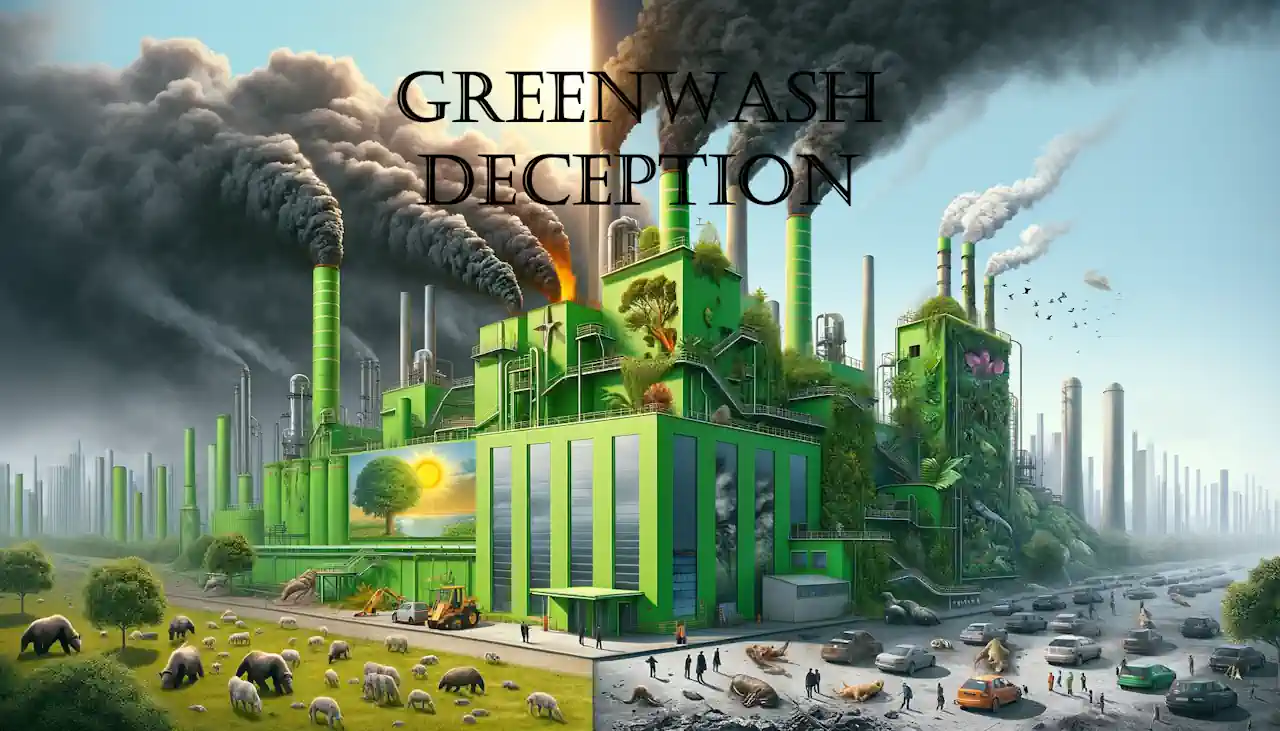
Green actions, when used sensibly in company publicity, and not as “greenwash”, win friends amongst both the public and shareholders.
[First published March 2018.]




Recycling is one of the easiest tasks that can make a greener home. Some towns automatically include costs for recycling in their garbage collection, so look into this! If not, certain states including Michigan will pay consumers to return bottles after use. Recycling is one of the best ways to cut energy costs!
It feels more like sweeping the dust under the carpet.?
my school did this?
I love it i hope it wiilchange life?
interesting?
landfill sites,there’s one just off the M9 plaastics killing all the Roots of the trees ,aint good must be a better way to get rid.
I love it i hope it wiilchange life?
Truly interesting. smashing article. Look positive, be rewarded. More writing like this please.
You know your video speed is too fast when your hands or other objects are a blur! Such good ideas! Maybe you could make a couple less items per video and slow the video down a bit??
Superb!!! Superb!!! Superb!!! Its so amazing and innovative!!! You got a new subscriber here….?
interesting stuff…clearly explained ..everyone will love to watch it?