resource management
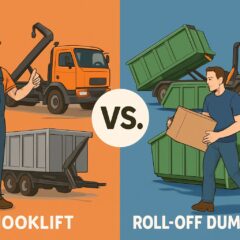
Roll-Off vs. Hook-Lift Container for Construction Site Debris Removal
Choosing the right container for your construction site is crucial. Roll-off containers are ideal for high-volume debris, while hook-lift containers excel in tight spaces. Understanding their differences in operation and flexibility can prevent delays and improve efficiency on your job site…
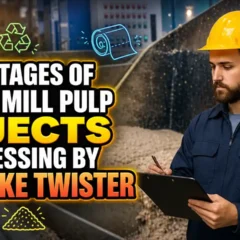
Advantages of Paper Mill Pulp Rejects Processing by Drycake Twister
Discover how the Drycake Twister revolutionizes paper mill pulp rejects processing. By converting a complex waste stream into a resource, it reduces disposal costs and energy use. Say goodbye to traditional methods and explore efficient solutions for recycling and sustainability in your paper mill operations…
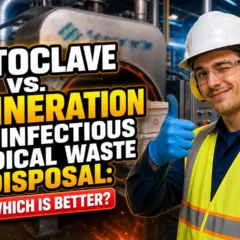
Autoclave vs. Incineration for Infectious Medical Waste Disposal: Which Is Better?
The decision between autoclave and incineration for medical waste disposal depends primarily on the type of waste. Autoclaves are cost-effective for sterilizing infectious waste, while incineration remains essential for pathological and cytotoxic waste. Facilities often need both methods to meet diverse disposal requirements…

Imperfect Foods vs. Misfits Market: Best Ugly Produce Delivery Box
Misfits Market acquired Imperfect Foods, merging major ugly produce services, yet they operate differently across regions. Compare box customization, organic options, and cost to find the right fit. Discover which delivers better value, quality, and reliability after the 2023 shake-up in sustainable produce delivery…

Best Mobile Phone Recycling Comparison UK, Reviews & Ratings
UK households are sitting on millions of unused phones — the average device holds anywhere from £50 to £500 in recoverable value depending on age and condition. Using a comparison site is the single most important step you can take before recycling — prices between buyers can vary by over £100 for the same handset. […]

Dumpster Rental Cost: US Average Prices by Size, Location & Duration
On average, you can expect to pay between $294 and $800 per week for a dumpster rental. Prices vary by size, location, and duration, with hidden fees adding up. A 15-yard dumpster is often the most cost-effective choice. Understanding these factors helps avoid surprises in your bill…
Roll-Off Dumpsters vs. Bagsters for Home Renovation Waste: Costs & Capacity Compared
Roll-off dumpsters and Bagsters each provide waste removal for home renovations, but choosing the wrong option can be costly. Roll-off dumpsters offer larger capacities and greater versatility, while Bagsters suit smaller projects. Explore the costs and capabilities to make the right decision for your renovation…

Mail-Back vs. Scheduled Pickup Sharps Disposal for Small Medical Practices Compared
Choosing the wrong sharps disposal method can be costly for small medical practices. Discover the differences between mail-back and scheduled pickup services and learn how to save money while ensuring compliance with DOT, FDA, and OSHA regulations. Find out the best option for your practice…
How MBT Plants Work: A Step-by-Step Guide to Mechanical & Biological Treatment
Mechanical Biological Treatment (MBT) plants revolutionize waste management by converting mixed rubbish into valuable resources. They combine mechanical sorting with biological processes to recover materials and energy from municipal solid waste, diverting it from landfills and contributing to a more sustainable future…

How to Reduce Waste in Manufacturing: Strategies & Tips
The main ways to reduce waste in manufacturing start with refusing single-use items, cutting back on total consumption, reusing durable goods, and composting organic trash. Your waste footprint can be significantly reduced by making small adjustments like meal planning, buying in bulk, and converting to reusable items. A Quickstarter’s Guide to this Article: There are […]

On-Site vs. Off-Site Biomedical Waste Treatment Comparison
For most healthcare facilities, off-site biomedical waste treatment proves practical and cost-effective. On-site options, although varied, often require more resources and face higher regulatory challenges. Discover how transfer of liability eases burdens and learn about scenarios where on-site treatment might financially benefit your facility…
What Is Peat-Free Compost? Benefits, Ingredients and How to Use It
Peat-free compost is a growing medium made without peat. Instead, manufacturers combine materials such as wood fibre, composted bark, coir and green compost to provide the moisture, air, nutrients and physical support that plants need. Peat-free compost is now widely available for seeds, young plants, vegetables, flowers, shrubs and containers. However, the contents and performance […]