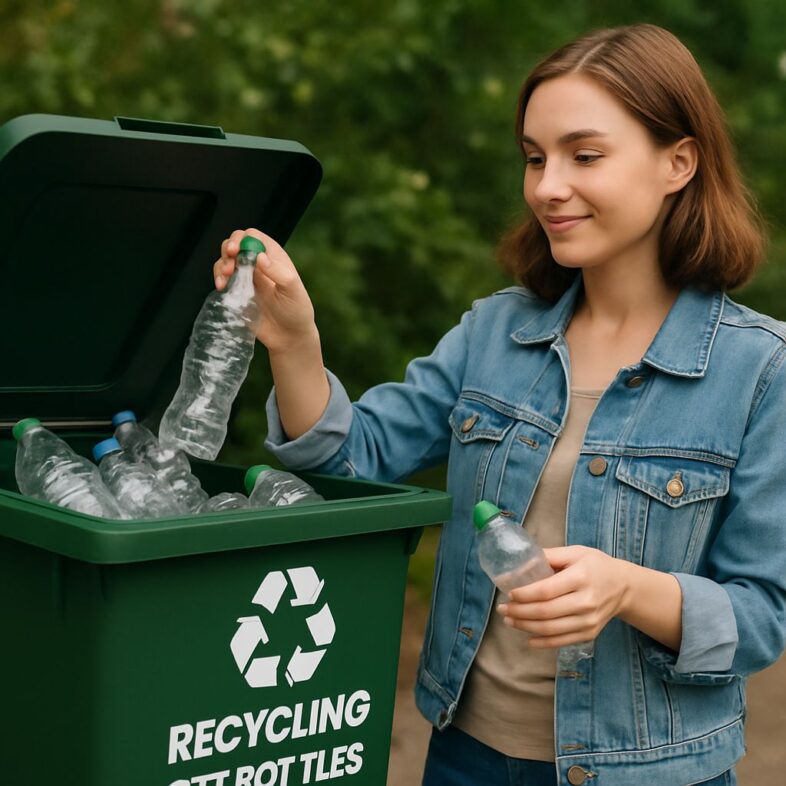
PET bottles are highly recyclable, transparent plastics commonly used for beverages and food, featuring a #1 recycling code. To recycle, empty and rinse bottles, then flatten them to save space, keeping caps on to ensure they are captured in the recycling process. Now, keep reading because there is a lot more to this subject!
Important Points
- PET (polyethylene terephthalate) plastic is 100% recyclable and is one of the most frequently recycled plastics across the globe.
- Properly preparing PET bottles for recycling involves rinsing the containers, taking off the caps, and flattening them to conserve space.
- You can identify PET plastic by looking for the #1 recycling symbol inside a triangle at the bottom of the container.
- Recycled PET can be repurposed into items like clothing, construction materials, and even new food containers through a method known as bottle-to-bottle recycling.
- Recycling a single plastic bottle saves enough energy to power a 60-watt light bulb for up to 6 hours.
Recycling PET plastic is easier than you might believe, and it has a significant impact on the health of our planet. Each plastic bottle you recycle properly helps to reduce the amount of waste that ends up in landfills and decreases the need for the production of new plastic.
According to the Recycling Association, recycling just one ton of PET containers saves about 7.4 cubic yards of landfill space.
Knowing the right way to recycle PET bottles is a simple but effective way to do your part for the environment. Recent research has shown that if recycled correctly, PET can be processed and put back on the shelves in just 60 days, creating a sustainable cycle that proponents of recycling have been advocating as a major solution to the worldwide problem of plastic waste.
The Unseen Prevalence of PET Bottles in Our Lives
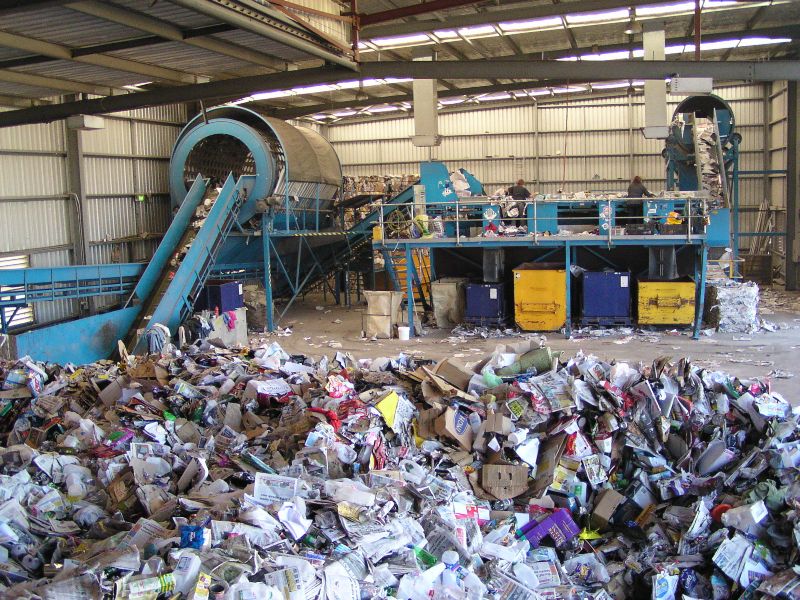
“PET bottle recycling – Wikipedia” from en.wikipedia.org and used with no modifications.
PET bottles are a common sight in our daily lives, often used and discarded without a second thought. These clear plastic containers, used for everything from water and soda to peanut butter and salad dressing, have become a staple of modern life. The average American uses about 156 plastic bottles per year, with the majority of these being PET bottles. This amounts to over 50 billion bottles per year in the United States alone.
Although these containers are common, many people are not aware that they are one of the best items to recycle. Unlike some complex materials, PET can be fully recycled. It can be made into new products over and over again without losing much quality.
Understanding PET Bottles and the Importance of Recycling Them
PET, which stands for polyethylene terephthalate, is a type of polyester that is lightweight, resistant to shattering, and extremely adaptable. It's clear, strong, and has excellent barrier properties, making it perfect for storing food and drinks. When recycled correctly, PET transforms from potential environmental waste into a valuable resource.
Recycling PET bottles is so important that some places have collection programs just for them. Making a new bottle out of a recycled PET bottle uses 75% less energy than making a new bottle from scratch. This means fewer carbon emissions and less use of fossil fuels.
What Makes PET Plastic Unique?
PET is a type of polymer that is created by combining ethylene glycol and terephthalic acid. This results in a plastic that is clear, strong, and resistant to heat and cold. These properties make PET perfect for packaging, but they also mean that PET doesn’t break down quickly in the environment. In fact, it could potentially last for hundreds of years in a landfill. For more information on recycling PET plastic, you can learn about how PET plastic recycling works.
On the other hand, this same durability makes PET perfect for recycling. The molecular chains stay stable through multiple processing cycles, letting the material be melted down and reshaped over and over again. In technical language, PET is a thermoplastic, which means it can be heated and cooled many times without any significant degradation, unlike thermoset plastics that can only be heated once.
Examples of PET Packaging in Everyday Life
Take a glance around your home and you'll probably see a lot of PET packaging. Clear bottles for beverages like water, soda, and juice are the most obvious examples, as they're nearly always made from PET. But PET isn't just for drinks. Many food jars, like those for peanut butter, salad dressings, and condiments, are also made from PET. The same goes for the clamshell containers you often see holding berries and other produce, as well as many containers for cosmetics and personal care items.
- Beverage bottles (water, soda, juice)
- Food containers (peanut butter, jelly, salad dressings)
- Personal care products (shampoo, mouthwash)
- Household cleaners and detergents
- Pharmaceutical containers

“PET bottle recycling – Wikipedia” from en.wikipedia.org and used with no modifications.
Environmental Impact of Discarded PET Bottles
The environmental toll of improper PET disposal is staggering. When not recycled, these bottles often end up in landfills where they may take up to 700 years to decompose. Worse, millions of bottles find their way into waterways and oceans, where they break down into microplastics that contaminate water systems and harm marine life. Learn more about the problems with plastic waste and its impact on the environment.
As reported by the Ocean Conservancy, plastic bottles are always in the top five items picked up during international coastal cleanups. The amount is staggering – roughly 8 million metric tons of plastic end up in our oceans each year, and PET bottles make up a large part of this trash.
Recognizing PET Bottles for Recycling
Recognizing PET bottles is the initial important step in the recycling process. Most containers have identification marks making this process easy, but knowing exactly what to look for can make your recycling efforts more efficient and ensure these valuable materials reach the correct recycling stream.
Identifying the #1 Recycling Symbol
The number “1” inside the triangular recycling symbol is used to universally identify PET plastic. This symbol is usually found on the bottom of containers. The Society of the Plastics Industry established this marking system in 1988 to make identification consistent across products and manufacturers. The number “1” specifically identifies polyethylene terephthalate (PET), differentiating it from other types of plastic like HDPE (#2), PVC (#3), or polypropylene (#5).
Moreover, you should also look for the acronyms “PET” or “PETE” near the recycling symbol. Some items might also have phrases like “Please Recycle” or other signs that encourage correct disposal. Modern PET containers are made to be recycled, with features like labels that are easy to remove and adhesives that are compatible and do not disrupt the recycling process. Learn more about the problems with plastic waste and how recycling can help mitigate these issues.
Various Forms of PET Packaging
PET isn't just used for water bottles. It's also used for clear clamshell containers for fruits and pastries, peanut butter jars, and medicine bottles. This versatile plastic can be crystal clear or slightly tinted, but most transparent food containers are made from PET.
Some specialized forms of PET include CPET (crystallized PET), which can withstand high temperatures and is used for oven-ready meals, and APET (amorphous PET), which is commonly used for cold food storage. To learn more about how PET plastic is recycled, you can read this guide on how PET plastic recycling works.
Some products that are marketed as “plant-based plastic” might actually be PET. Bio-PET, which is made partially from plant materials, has the same chemical structure and recyclability as traditional PET.
The recycling process for these specialized variations is essentially the same as standard PET, making them equally valuable in recycling streams.

“File:Bales of PET bottles closeup.jpg …” from commons.wikimedia.org and used with no modifications.
How to Prepare PET Bottles for Recycling Correctly
When you prepare your bottles for recycling the right way, you're increasing the chances that they will be successfully recycled. It doesn't take much to prepare your bottles, but it can make a big difference in how efficiently they are recycled. Plus, it can help reduce the contamination that can sometimes cause recyclable materials to end up in the landfill instead.
1. Take Off Caps and Rings
It's now common for recycling centers to advise leaving caps on bottles, a departure from past rules. Caps are usually made of polypropylene (plastic #5), which can be separated during processing. However, loose caps can clog machines or contaminate the PET recycling stream. By leaving caps on empty, compressed bottles, both materials can be correctly sorted at the recycling center. Ideally, the tamper-evident rings around bottle necks should be completely removed as they can interfere with the recycling machinery.
2. Rinse Well
It's important to rinse out your bottles to get rid of sugars, oils, and other residues that could draw in pests or contaminate whole batches of recycled material. This doesn't mean you need to put your bottles through a full dishwasher cycle – a simple rinse with leftover dishwater or a quick shake with a bit of water will do the trick. For stubborn residues like peanut butter, think about using a spatula to scrape out excess product before rinsing. Food contamination is a main reason why recycling loads get rejected, so this easy step can greatly increase recycling efficiency.
3. Squish 'em Flat
By squishing bottles on their sides (not from top to bottom) and then screwing the cap back on, you can save a lot of room in your recycling bin and the recycling truck. This easy step can significantly improve the effectiveness of recycling collection and transportation, letting us move more stuff while using less gas.
Plastic recycling is an essential part of sustainable waste management. It helps reduce the amount of waste that ends up in landfills, conserves natural resources, and reduces pollution. One of the main challenges in plastic recycling is dealing with the various types of plastics and their different recycling processes. For instance, PET bottles are widely recycled, but other types of plastics might not be as easily processed. Understanding the problems with plastic waste is crucial for improving recycling efforts and developing better technologies to handle different plastic types.
If you have a lot of bottles, you might want to think about getting a bottle compressor. These easy-to-use tools can help you crush many bottles fast and in a uniform way. A lot of schools and community centers use these to handle lots of bottles for fundraising efforts.
When bottles are flattened and the caps are screwed on, they stay flat and don't take up as much room. This makes it easier to store them, whether you're putting them in your home recycling bin or taking them to a recycling center. Flattened bottles are also less likely to blow away if you're storing them outside and it gets windy.
Make sure to check your local guidelines as some recycling programs may request that bottles are not flattened. Different recycling facilities use different sorting technologies, and some of these may work better with bottles that are still in their original shape. If you're interested in how these technologies are evolving, explore these innovative technologies reducing landfill dependence. If you're not sure, it's always best to follow the instructions given by your local recycling program.
4. No Need to Remove Labels
Today's recycling facilities are equipped to manage and separate paper labels while processing. Trying to remove labels can be a waste of time and effort, as advanced washing systems at recycling plants effortlessly remove these materials during processing. The glues used on most modern beverage containers are specially made to break down during the recycling process, guaranteeing a clean separation of materials.

“PET bottle recycling – Wikipedia” from en.wikipedia.org and used with no modifications.
What Happens to a Recycled PET Bottle?
When you recycle your PET bottle, it doesn't just disappear. Instead, it goes through an incredible transformation process. Knowing how this process works can show you why it's so important to prepare your recyclables correctly and how a single plastic bottle can become a useful resource instead of just trash. This process usually takes between 60-90 days from the time the bottle is collected to when it reappears as a new product on a store shelf. This creates a sustainable cycle that can greatly reduce the impact on the environment.
Gathering and Organizing Procedure
Once gathered, bottles are transported to Materials Recovery Facilities (MRFs) where a combination of automated and manual sorting systems are used to separate different materials. Optical sorters identify PET from other plastics using near-infrared technology, and air jets or mechanical systems guide bottles to the right conveyor systems. Today's facilities have the capacity to process thousands of bottles per hour with remarkable precision, and they utilize technologies like AI-powered robotic sorting to constantly enhance efficiency. This stage also involves the removal of contaminated items or non-recyclable materials, underscoring the importance of proper preparation at home for successful recycling.
Getting the Bottles Ready for Recycling
After the bottles are sorted, they are cleaned thoroughly using special soaps that take off any labels or glue that might still be on the bottle. Once they are clean, they are put into a machine that shreds them into little pieces that are about the size of confetti. These little pieces are then cleaned again and separated. PET is heavier than the other materials used in the bottle, so when they are put into a float tank, the PET sinks to the bottom while the other materials float to the top. Once the PET is separated and dried, it’s ready to be made into something new.
Turning Waste into Something New
Once the PET flakes are cleaned, they can be used in various ways. They can be melted and formed into fine strands for polyester textiles. For food-grade recycling, the PET flakes undergo additional processes such as solid-state polymerization to increase their molecular weight and remove potential contaminants. Modern recycling systems can now produce recycled PET that meets FDA standards for food contact. This means that a water bottle you use today could become next month's beverage container.
Unexpected Items Made from Recycled PET
- Apparel and accessories (coats, tees, rucksacks)
- Carpet strands and upholstery fabrics
- Car parts including interior panels
- Building materials such as insulation and roofing
- New food and drink containers
- Packaging materials such as thermoformed trays
- Office items including binders and folders
Recycled PET's adaptability goes well beyond new bottles. Its toughness, resistance to weather, and thermal characteristics make it ideal for products ranging from everyday items to specialized industrial uses. As recycling technology continues to improve, the potential for recycled PET continues to grow, opening up new markets and reducing reliance on virgin materials.
PET's ability to transform demonstrates its worth as a recyclable material. Unlike some materials that can only be “downcycled” into less valuable products, PET can often be “upcycled” into products of equal or higher value than the original container. This maintains the material's economic value through multiple life cycles.
Recycling a single PET bottle can make a big difference to the environment. The PET Resin Association has found that recycling just one pound of PET (which is roughly the same as recycling 10 bottles) can save around 12,000 BTUs of heat energy and can cut greenhouse gas emissions by more than 60% when compared to the production of new PET. The more bottles that are recycled correctly, the bigger these savings become.
There's a rising tide of consumer demand for products made from recycled content, and this is driving the economy to improve collection and processing. Many of the big brands are now proudly displaying the percentage of recycled content in their packaging. This shows that consumers prefer products that are kind to the environment. This approach is market-driven and works alongside regulatory efforts to increase recycling rates.
Clothing and Textiles
The textile industry has adopted recycled PET as a greener alternative to new polyester. A single recycled bottle can generate enough fiber to cover roughly one square foot of carpet or fill one ski jacket. Several major clothing brands now sell lines made from recycled PET, with some outdoor jackets incorporating material from as many as 50 recycled bottles. The fabric that results, commonly referred to as rPET or recycled polyester, behaves just like traditional polyester but with a substantially smaller environmental impact.
Turning PET flakes into polyester fiber involves melting and extrusion, which then produces filaments that can be made into yarn. This yarn is then woven or knitted into fabric for clothing, home textiles, and industrial applications. The recycled material is so versatile that it can be found in products from high-performance athletic wear to luxury fashion items, showing that recycling can be both functional and stylish.
From Bottles to New Food Containers
Thanks to the wonders of modern recycling technology, we're now able to take PET bottles and turn them into new food-grade containers. This is what's known as closed-loop recycling, and it's a perfect example of a circular economy in action. Instead of materials being used once and then discarded, they're continuously cycled back through the system, preventing them from ending up in a landfill. The FDA has even given the green light to certain processes that ensure recycled PET is safe for food contact, which means brands now have the opportunity to use recycled content in their packaging without compromising on the quality or safety of their products.
Building Materials
Recycled PET is used in a variety of applications in the construction industry, from carpet backing to insulation materials. PET's durability and resistance to moisture make it perfect for products that need to withstand exposure to the elements. Innovative companies have created composite lumber that is partially made from recycled PET, which has benefits over traditional wood, such as resistance to rot, insects, and weathering without the need for chemical treatments. These applications represent high-volume uses for recycled plastic that can divert a substantial amount from landfills, while providing a more sustainable alternative to conventional building materials.
How PET Recycling Can Be Contaminated
Even with the best intentions, many people who recycle end up contaminating PET recycling streams by accident. This can lead to a decrease in the efficiency of recycling processes and, in the worst cases, can cause entire batches of recyclable material to be sent to landfills. By being aware of these issues, you can make sure that your recycling efforts are helping, not hurting.
Recycling stream contamination is a huge problem, costing processing facilities millions of dollars each year and significantly reducing recycling efficiency. In fact, the National Waste & Recycling Association reports that the average contamination rate in recycling is around 25%. This means that a quarter of what goes into recycling bins shouldn't be there. In the case of PET recycling, contamination can lower the quality of the recycled material, limiting the ways it can be used.

“PET bottle recycling – Wikipedia” from en.wikipedia.org and used with no modifications.
Don't Mix Your Plastics
Most people think they're doing the right thing by tossing all their plastic in the recycling bin. But not all plastics are created equal. PET (#1) and HDPE (#2) are the most commonly recycled plastics. But if you throw a PVC (#3) bottle in with your PET bottles, you could ruin the whole batch. Even a small amount of PVC can cause recycled PET to become brittle and discolored. That makes it useless for many of the things we use recycled PET for. So, check the number inside the recycling symbol on your plastic. And only recycle the numbers your local recycling program says it can handle.
Don't Leave Food or Liquid Behind
Leaving leftover contents in your PET bottles can cause a lot of issues during the recycling process. Sugary liquids can draw in bugs and make recycling facilities unsanitary, while oils can mess with the cleaning processes used to get PET ready for recycling. Sticky substances like honey or syrup are especially troublesome because they can clog up the machines and ruin large amounts of material that could have been recycled.
Adding even a tiny bit of the wrong materials can have a huge effect. For example, if you put motor oil or household chemicals in just one bottle, it can contaminate thousands of pounds of recyclable PET. That's why it's so important to rinse out your bottles before you recycle them – it only takes a few seconds for you, but it can save a lot of resources in the recycling process.
Non-Recyclable Components
It's common for PET bottles to have parts that can't be recycled in the same way as the bottle. Parts like metal springs in pump dispensers, metallized plastic films, RFID tags, and certain types of adhesive used for labels can all cause problems for recycling equipment and lower the quality of the recycled material. When you can, take these parts off before you recycle the main PET bottle. Bottles with built-in metal parts like metal springs in soap pumps or special sports caps with metal parts are especially troublesome, and should be taken apart before being recycled. For more information on the recycling process, visit how PET plastic recycling works.
Begin Your PET Recycling Habit Now
Starting a regular PET recycling routine doesn't mean you have to overhaul your entire lifestyle – just make a few simple tweaks to your everyday routine. Begin by setting aside a particular container for gathering clean, empty PET bottles in your kitchen, bathroom, and other places where you often use plastic containers. Create a quick rinse-and-cap routine for bottles after they've been used, and always make sure to check the recycling number on any plastic container before you throw it in your recycling bin. Keep in mind that your individual actions add up with millions of others to make a big difference for the environment – every bottle that's recycled correctly counts.
Common Questions
| Question | Answer |
|---|---|
| How much energy can be saved by recycling one PET bottle? | Recycling one pound of PET (about 10 bottles) can save around 12,000 BTUs of energy. This is enough to power a 60-watt light bulb for up to 6 hours. |
| What percentage of PET bottles are recycled? | The percentage of PET bottles that are recycled varies greatly around the world. Some areas recycle less than 10% of PET bottles, while others recycle over 80%. The average recycling rate for PET bottles in the U.S. is around 29%. |
| Can PET bottles be recycled indefinitely? | High-quality PET can be recycled multiple times, but each recycling cycle usually causes some degradation. Most PET goes through 3-4 lifecycles before it is used in non-recyclable applications. |
People often have questions about recycling as they become more aware of environmental issues. The answers to these common questions can help clear up any confusion and improve recycling habits. Keep in mind that the recycling guidelines in your local area may be different from the general guidelines. For the most accurate information, you should check with your local waste management department.
Despite improvements in recycling technology, many myths about recycling continue to persist. For example, the idea that bottle caps should always be removed is no longer valid – most modern recycling facilities now prefer that caps be left on to ensure they're properly processed. By staying up-to-date on current best practices, you can make your recycling efforts as effective as possible.
Keep in mind that recycling rules change as technology gets better. What we couldn't recycle five years ago might be completely recyclable now, and our ability to process materials keeps getting better. Checking your local recycling program's website every now and then helps make sure you're following the newest guidelines. For instance, innovative technologies are constantly being developed to reduce landfill dependence and improve recycling processes.
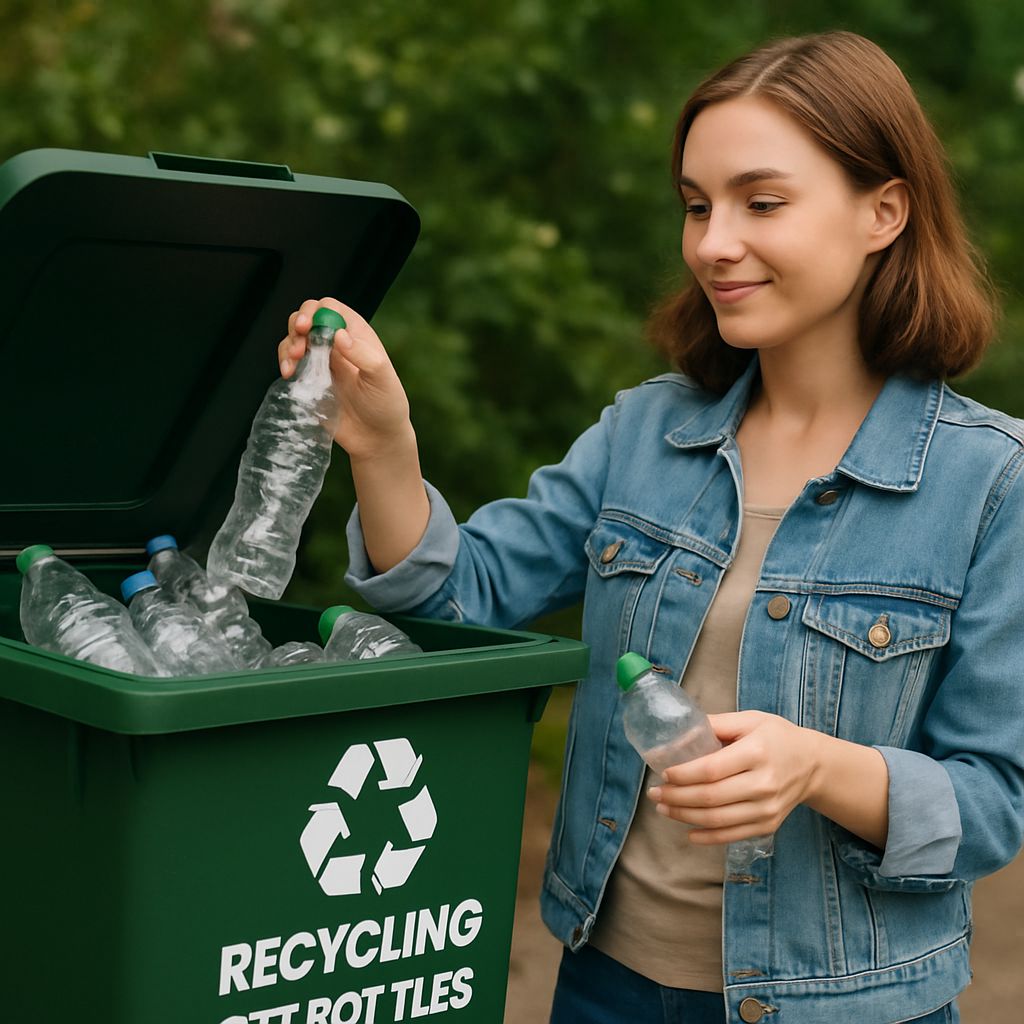
Is it okay to recycle PET bottles with their caps?
Yes, you can. In fact, most modern recycling programs suggest that you should keep the caps on the bottles. This is a change from the previous guidelines, but it is due to the improvements in processing technology.
The caps are usually made from polypropylene (plastic #5), which can be separated during the recycling process. Also, keeping the caps on the bottles helps to prevent them from becoming litter or jamming machinery as loose items.
The most important thing is to make sure the bottle is empty, then put the cap back on, and then put it in the recycling bin. This helps to keep both the bottle and the cap in the recycling stream, and it also prevents the bottles from expanding in the collection trucks. For more detailed information, you can check out this PET bottle recycling guide.
Some recycling centers may still want you to remove the caps, so be sure to check your local guidelines. If you do remove the caps, consider storing them in a container, like a plastic bottle, until you have enough to recycle all at once. This is because small loose caps can fall through sorting equipment and end up in a landfill.
What is the necessary level of cleanliness for PET bottles to be recycled?
PET bottles don't have to be as clean as if they were washed in a dishwasher, but they should be reasonably free of food or liquid residue. A quick rinse is enough – using as little water as possible to remove sugars, oils, or other contents that could contaminate the batches of recycling or attract pests. For sticky products like peanut butter or honey, it is more effective to scrape out most of the residue before rinsing. The aim is to remove contaminants that could affect the recycling process while being careful to conserve water.
Can I recycle PET bottles that are colored?
Colored PET bottles can be recycled, but they may not be used in the same way as clear PET. The pigments in colored PET bottles (like the green or blue tint found in some water bottles) stay in the material during recycling. This limits their use in products that need clear plastic. As a result, colored PET might be used to make things like carpet fibre or clothing instead of new clear containers.
Most recycling programs accept colored PET alongside clear bottles as they can be sorted optically during processing. However, the market value for clear PET is typically higher than colored varieties, which is why many beverage companies have shifted toward clear bottles with colorful labels rather than tinted plastic. For a deeper understanding of the recycling process, you can explore how PET plastic recycling works.
“PET bottle recycling – Wikipedia” from en.wikipedia.org and used with no modifications.
What is the recycling limit for a PET bottle?
While PET plastic can technically be recycled numerous times, each processing cycle causes some degradation. High-quality PET can be fully recycled 3-7 times under ideal conditions before the polymer chains become too short for conventional recycling. However, advanced technologies like chemical recycling are being developed that could potentially allow for limitless recycling by breaking PET down to its molecular building blocks.
Even when PET is no longer recyclable for containers, it can still be “downcycled” into products like carpet fibre, strapping, or textile fill, where the material specifications are less stringent. This cascading use of materials prolongs the useful life of the plastic and keeps it out of landfills longer, maximising its value before it is finally disposed of. Learn more about the innovative technologies reducing landfill dependence.
What if I accidentally recycle non-recyclable plastics?
If you've ever tossed a questionable item in your recycling bin, hoping it can be recycled, you're not alone. But this common practice, known as “wishcycling,” can cause more harm than good. It can increase costs, slow down sorting processes, and even contaminate recyclable materials. When non-recyclable items end up in recycling bins, recycling facilities have to spend extra time and money to remove them. In some cases, they may have to throw away entire batches of materials if they're too contaminated, sending them to the landfill instead of recycling them.
If you're unsure, it's better to consult your local recycling program's rules or exclude an item from your recycling bin. It's preferable to dispose of a single recyclable item in the garbage than to risk contaminating an entire load of recycling. Many recycling programs have adopted the slogan “when in doubt, throw it out” to highlight that contamination is a bigger issue than occasionally missing a recycling opportunity.