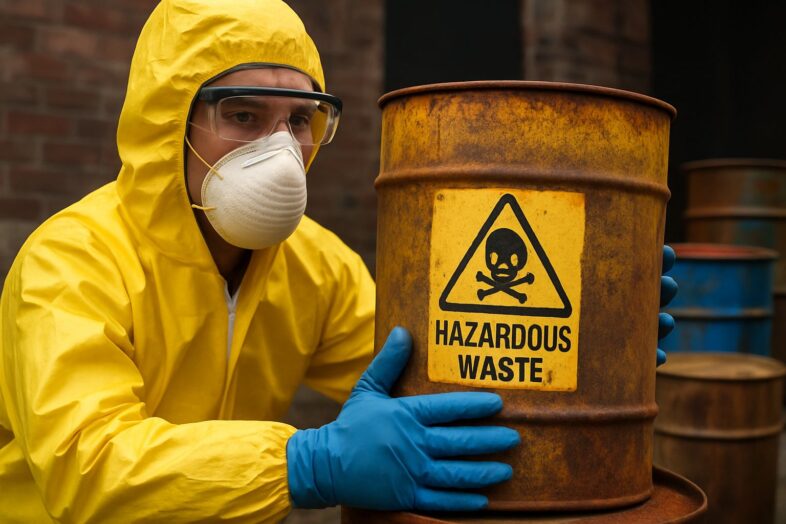
A Hazardous Waste Disposal Technician safely manages, handles, and disposes of dangerous materials every day. This includes tasks like inspecting waste, using specialised equipment, transporting waste to approved sites, making sure that safety rules are followed (like ADR for transport), using Personal Protective Equipment (PPE), and cleaning up spills. They do all of this while keeping detailed records and putting safety first to protect public health and the environment.
Key Takeaways
- Hazardous waste disposal technicians follow strict safety protocols, including daily equipment inspections and proper PPE usage to protect themselves and the environment
- These professionals manage diverse hazardous materials including chemical, biological, radioactive, and construction-related waste requiring specialized handling techniques
- Documentation and regulatory compliance are critical components of the job, ensuring proper tracking from collection to final disposal
- Physical and mental resilience are essential in this career as technicians face challenging conditions while maintaining focus on safety procedures
- EnviroSafe Solutions offers specialized training and equipment to help waste management professionals maintain the highest safety standards in hazardous material handling
Behind the scenes of our modern industrial world, hazardous waste disposal technicians serve as unsung environmental heroes. Their day-to-day work protects communities from dangerous materials that could contaminate soil, water, and air if mishandled.
Working with companies like EnviroSafe Solutions, these specialized technicians follow precise protocols to ensure harmful substances are properly contained, transported, and disposed of according to strict federal and state regulations. Without their expertise, the environmental impact of industrial, medical, and consumer waste could be devastating.
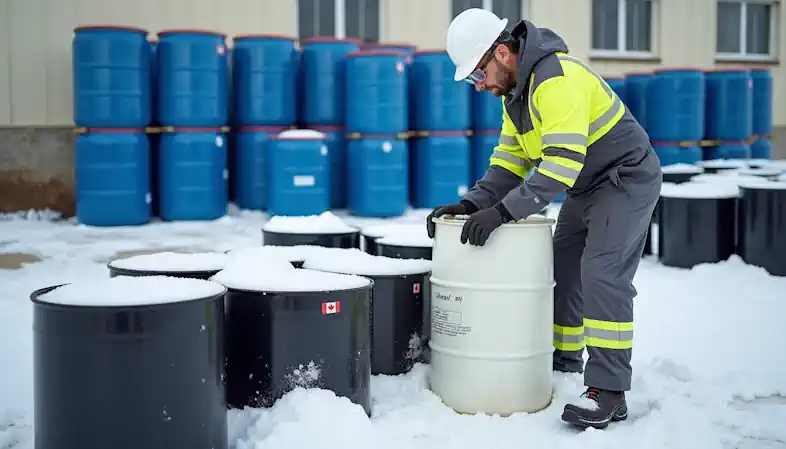
The Critical Role of Hazardous Waste Technicians in Environmental Safety
Hazardous waste disposal technicians stand at the frontline of environmental protection, handling materials that pose significant risks to human health and ecosystems. Their specialized training enables them to identify, categorize, and safely manage substances ranging from toxic chemicals to radioactive materials. Every decision they make carries weight, as improper handling could lead to environmental contamination, personal injury, or regulatory violations carrying hefty penalties.
These professionals work in diverse settings—from industrial facilities and construction sites to laboratories and medical institutions. The common thread connecting their work is an unwavering commitment to safety protocols and environmental protection.
According to the Occupational Safety and Health Administration (OSHA), hazardous waste workers must complete specialized training that covers health hazards, personal protective equipment, site safety, hazard recognition, and decontamination procedures.
The demanding nature of this occupation requires both physical stamina and mental focus. Technicians often work in challenging conditions while wearing restrictive protective gear for extended periods. Despite these challenges, the profession offers the satisfaction of making a tangible difference in environmental preservation and public health protection.

Morning Routine: Safety First
Essential Morning Checklist for Hazardous Waste Technicians:
• Review daily assignment schedule and site-specific hazards
• Conduct thorough equipment inspections
• Check all personal protective equipment for integrity
• Verify emergency response supplies and first aid kits
• Ensure all required documentation and manifests are prepared
• Calibrate testing and monitoring equipment
For hazardous waste technicians, each day begins with meticulous preparation that prioritises safety above all else.
Before even leaving the facility, technicians review their route plans, anticipated waste types, and specific hazards they might encounter. This planning phase is crucial for ensuring they have the appropriate equipment, protective gear, and knowledge for the day's assignments.
Pre-Shift Safety Briefings and Job Hazard Analysis
The workday typically begins with a comprehensive safety briefing led by a team supervisor or safety coordinator. These meetings highlight specific hazards associated with the day's scheduled collection sites and review any recent incidents or near-misses within the industry.
Technicians actively participate in these discussions, sharing observations from previous shifts and collaborating on potential safety improvements. For more insights into the role, you can explore a day in the life of hazardous materials removal workers.
Job hazard analysis (JHA) forms a critical part of these morning preparations. Each assignment is evaluated for potential risks, with mitigation strategies clearly defined and communicated to all team members.
This systematic approach to hazard identification helps prevent accidents and ensures that appropriate safety measures are implemented before work begins. For example, understanding the risks associated with open dumping of waste can be crucial in developing effective JHA strategies.
Weather conditions receive particular attention during these briefings, as extreme temperatures, precipitation, or wind can significantly impact work procedures and safety considerations.
For instance, high winds might necessitate additional containment measures when handling powdered materials, while extreme heat requires modified work schedules to prevent heat stress among technicians wearing impermeable protective suits. For more information on how waste management practices adapt to various environmental challenges, explore open dumping of waste risks and solutions.
Personal Protective Equipment Inspection
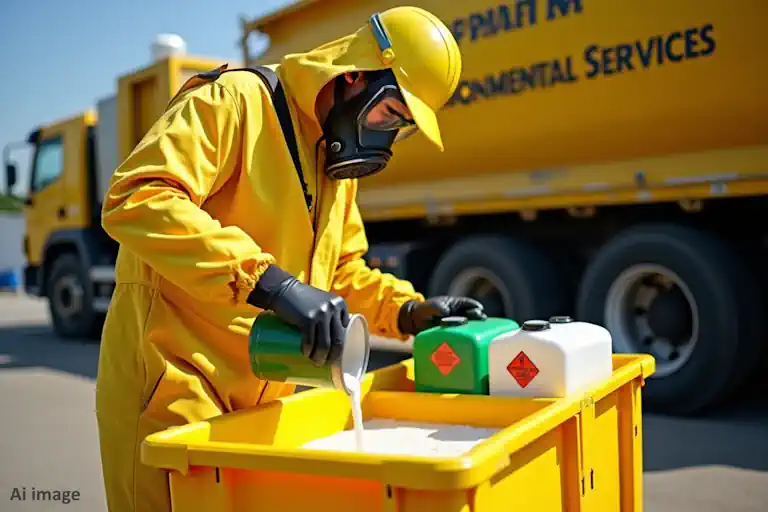
Perhaps no morning routine is more critical than the inspection of personal protective equipment (PPE).
Hazardous waste technicians rely on multiple layers of protection, often including chemical-resistant suits, respirators, gloves, and specialized footwear. Each component undergoes careful examination for signs of wear, damage, or contamination that could compromise its protective capabilities.
Respirators receive particularly detailed attention, with technicians checking filter elements, face seals, and valve functions.
Many facilities implement a buddy system for these inspections, having colleagues verify each other's equipment for an additional safety check. This collaborative approach helps identify issues that might be missed in a self-inspection. For more information on the role of a hazardous waste disposal technician, visit the day in the life of hazardous materials removal workers.
Vehicle and Equipment Checks
Equipment inspection represents another critical component of the morning routine. Vehicles undergo comprehensive safety checks to ensure proper functioning of all systems, from braking mechanisms to specialized containment features designed to prevent spills during transit. Technicians meticulously examine collection containers, pumps, vacuum systems, and sampling equipment before deployment to job sites.
Monitoring devices require particular attention, as these instruments provide crucial information about atmospheric hazards, radiation levels, or chemical concentrations that might not be detectable through human senses alone.
Each device is calibrated according to manufacturer specifications, with calibration results documented as part of the daily record-keeping process. Any equipment showing signs of malfunction is immediately tagged out and replaced to avoid compromising safety in the field. For more insights into waste management practices, explore the risks and solutions of open dumping of waste.
Communication equipment also undergoes verification, ensuring that technicians maintain contact with their base of operations and emergency services if necessary. In many operations, redundant communication systems are standard practice, providing backup options if primary systems fail while working in hazardous environments.
Types of Hazardous Waste Encountered
Hazardous waste disposal technicians encounter an extensive range of potentially dangerous materials, each requiring specific handling procedures and safety precautions.
Understanding the characteristics and risks associated with different waste streams is fundamental to performing this role effectively and safely.
From volatile chemicals to biohazardous materials, these professionals must maintain comprehensive knowledge of proper handling techniques to prevent open dumping of waste and its associated risks.
Chemical Waste Handling Procedures
Chemical waste represents one of the most common categories encountered by disposal technicians. This category includes solvents, acids, bases, pesticides, and numerous industrial byproducts that may be corrosive, flammable, reactive, or toxic. When handling these materials, technicians must be acutely aware of chemical incompatibilities that could trigger dangerous reactions if certain substances come into contact. For more on managing waste risks, consider reading about open dumping of waste and its solutions.
Each chemical waste collection requires specific containment strategies. For instance, volatile organic compounds necessitate specialized vapor-tight containers to prevent atmospheric release, while corrosive materials require acid-resistant vessels that won't degrade upon contact.
Technicians carefully label each container according to standardized hazard communication systems, ensuring that subsequent handlers understand the risks associated with each package. For more insights on waste management, check out this guide on zero waste initiatives.
Chemical identification often involves field testing with specialized kits that can determine pH levels, reactivity, and other critical properties.
This information guides decisions about appropriate packaging, storage, and ultimate disposal methods. In cases where materials cannot be confidently identified through field testing, samples may be collected for laboratory analysis under controlled conditions.
Biological and Medical Waste Management
- Sharps waste including needles, scalpels, and broken glass
- Pathological waste such as human tissues and body fluids
- Cultures and stocks of infectious agents from laboratories
- Contaminated materials from patients with communicable diseases
- Discarded vaccines and unused pharmaceutical products
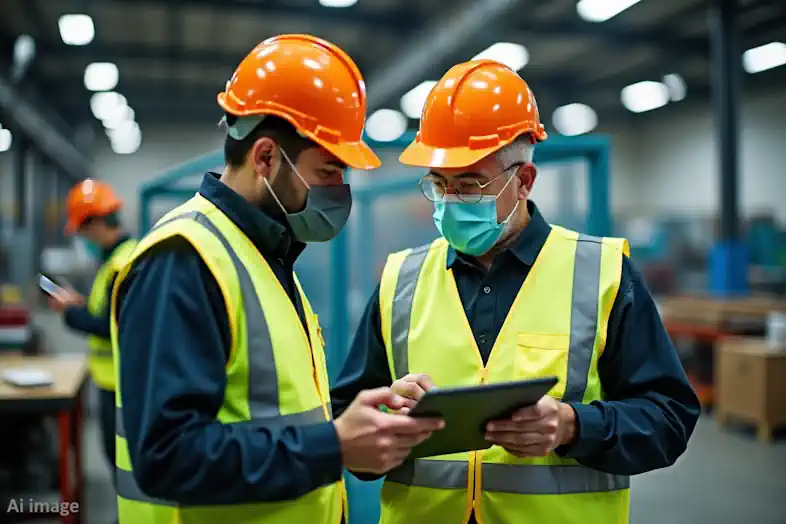
Medical and biological waste management requires specialized knowledge of infection control principles. Technicians handling these materials must understand transmission vectors and implement appropriate barriers to prevent exposure.
Medical waste typically undergoes treatment processes such as autoclaving, incineration, or chemical disinfection before final disposal to neutralize biological hazards.
Particularly challenging are materials that present both biological and chemical hazards, such as chemotherapy waste or certain types of laboratory waste.
These “mixed wastes” require complex handling protocols that address multiple risk factors simultaneously. Technicians must carefully segregate these materials from other waste streams to prevent cross-contamination and ensure appropriate treatment. For more information on waste management, you can explore how rubbish is handled in landfills.
Radioactive Materials Safety Protocols
Perhaps the most technically demanding category, radioactive waste requires extraordinarily precise handling procedures.
Technicians working with these materials undergo specialized training beyond standard hazardous waste certifications, learning to use radiation detection equipment and implement time, distance, and shielding principles to minimize exposure risks. Different radioisotopes present varying hazards based on their emission types, half-lives, and biological interactions.
Containment requirements for radioactive materials include considerations for both primary and secondary containers that must shield radiation appropriately. Documentation for these materials is particularly rigorous, tracking exact quantities, isotope identifications, and radiation levels. Many radioactive materials ultimately require specialized disposal facilities designed specifically for long-term containment of radiation hazards.
Personal protective equipment for radioactive material handling often includes dosimeters to monitor cumulative radiation exposure. Technicians working with these materials maintain detailed exposure records and undergo regular health monitoring to detect any potential impacts of occupational radiation exposure. Work scheduling often considers lifetime exposure limits, rotating personnel to distribute exposure risk.
Asbestos and Lead Removal Techniques
Construction-related hazardous materials, particularly asbestos and lead, represent a substantial portion of the work for many hazardous waste technicians.
These materials become dangerous primarily when disturbed, releasing microscopic fibers or particles that can be inhaled or ingested. Removal operations require establishing negative-pressure containment areas, implementing specialized wetting techniques to suppress dust, and using HEPA-filtered equipment to capture airborne contaminants.
Asbestos removal involves particular attention to decontamination procedures to prevent tracking fibers outside the work area.
Technicians typically work in teams with clearly defined roles—some handling the actual removal while others monitor containment systems and air quality. The removed materials are sealed in specialized bags with appropriate hazard warnings before transport to designated disposal facilities.
Lead abatement, particularly common in older building renovation, requires similar containment strategies along with additional considerations for surface preparation and chemical stabilization in some cases. Blood lead level monitoring represents a standard practice for technicians regularly involved in these operations, providing early detection of any occupational exposure.
Waste Transfer and Disposal Verification
As the day draws to a close, hazardous waste technicians transition to perhaps their most critical responsibility: ensuring proper transfer and disposal verification. Every container of waste must be accounted for with meticulous documentation that tracks its journey from collection to final disposal.
Technicians carefully review manifests, ensuring that all required signatures are present and that waste descriptions accurately reflect contents. This documentation becomes part of the permanent record that demonstrates regulatory compliance and environmental responsibility.
The physical transfer process involves careful coordination with disposal facilities. Technicians verify that receiving facilities are properly permitted to accept specific waste types and that all materials are appropriately labeled according to Department of Transportation (DOT) requirements.
Weight verification, container integrity checks, and final hazard assessments are performed before releasing materials to the disposal facility. This verification process serves as the final safeguard against improper disposal that could result in environmental contamination or regulatory penalties.
Shift Debriefing and Incident Reporting
Before concluding their workday, technicians participate in comprehensive debriefing sessions to review the day's activities and address any challenges encountered.
These meetings provide a structured opportunity to report near-misses, identify potential process improvements, and share observations that might benefit the entire team. Incidents, even minor ones, are thoroughly documented and analyzed to prevent recurrence and continuously improve safety protocols.
This culture of transparent communication helps maintain the high safety standards essential for hazardous waste operations while fostering collective learning from field experiences.
Now watch our video about the daily duties of a hazardous waste technician:

Career Path and Professional Development
The field of hazardous waste management offers substantial career growth opportunities for dedicated professionals. Most technicians begin their careers in entry-level positions focused on basic waste handling and gradually advance to more specialized roles as they gain experience and additional certifications. The industry values continuous learning, with many employers supporting ongoing professional development through sponsored training programs, certification assistance, and tuition reimbursement for relevant educational pursuits. This commitment to professional growth reflects the complex and evolving nature of environmental regulations and waste management technologies.
Required Certifications and Training
Entry into the hazardous waste management field typically requires completion of the OSHA Hazardous Waste Operations and Emergency Response (HAZWOPER) 40-hour training program.
This comprehensive training covers hazard recognition, toxicology, personal protective equipment, decontamination procedures, and emergency response protocols.
Additional certifications that enhance career prospects include DOT Hazardous Materials Transportation, RCRA Hazardous Waste Management, and specialized credentials for asbestos, lead, or radiation work.
Most certifications require regular refresher training to maintain active status, ensuring that technicians remain current with evolving best practices and regulatory requirements throughout their careers.
Advancement Opportunities in the Field
Career advancement paths in hazardous waste management are diverse and rewarding. Many technicians progress to roles as field supervisors, overseeing teams of waste handlers and coordinating complex projects across multiple sites.
Others specialize in particular waste streams or industries, becoming subject matter experts in areas like laboratory waste, pharmaceutical disposal, or radioactive material management. The knowledge gained through hands-on experience provides valuable preparation for roles in regulatory compliance, environmental consulting, or safety training.
Some hazardous waste professionals leverage their technical knowledge to transition into environmental program management, corporate sustainability initiatives, or regulatory affairs positions.
The comprehensive understanding of environmental regulations and practical implementation experience makes these professionals valuable assets in developing corporate environmental policies or interfacing with regulatory agencies. For entrepreneurial individuals, the industry also offers opportunities to establish specialized waste management services that address specific market needs.
Salary Expectations and Job Outlook
- Entry-level technicians typically earn between $35,000 and $45,000 annually
- Experienced technicians with specialized certifications can earn $50,000 to $70,000
- Supervisory positions generally range from $65,000 to $85,000
- Environmental program managers and specialists often earn $75,000 to $100,000+
- Job growth projection of 8% through 2029, exceeding the average for all occupations
The employment outlook for hazardous waste technicians remains strong, driven by increasing environmental regulations, industrial growth, and greater awareness of proper waste management practices.
The essential nature of these services ensures consistent demand even during economic downturns. Additionally, the retirement of the current workforce is creating significant opportunities for new professionals to enter the field. The most competitive candidates typically possess multiple certifications, demonstrate strong safety records, and develop specialized expertise in high-demand waste streams.
Geographic location significantly influences compensation, with technicians in regions having concentrated industrial activity or strict environmental regulations generally commanding higher salaries.
Additionally, those willing to work in emergency response capacities or handle particularly challenging waste streams often receive premium compensation reflecting the additional skills and risks involved. Many employers also offer performance-based incentives tied to safety records and operational efficiency.
Benefits packages in this industry frequently include comprehensive health insurance, reflecting employer awareness of occupational exposure risks. Many companies also provide substantial personal protective equipment allowances, specialized medical monitoring programs, and enhanced disability coverage compared to other blue-collar occupations.
Real-World Impact: Protecting Communities and Ecosystems
The daily work of hazardous waste disposal technicians contributes directly to environmental protection and public health in ways that often go unrecognised.
By preventing harmful substances from contaminating soil, water, and air, these professionals help preserve ecosystems and protect vulnerable communities. Historical cases of improper hazardous waste disposal have resulted in environmental disasters requiring decades of remediation efforts and causing long-term health impacts for nearby residents.
Today's stringent waste management practices, implemented by trained technicians, help prevent such catastrophes by ensuring that dangerous materials are properly contained, treated, and disposed of according to scientific best practices and regulatory requirements. The value of this work extends far beyond regulatory compliance to fundamental environmental stewardship and community protection. Learn more about the risks and solutions of open dumping of waste.
Frequently Asked Questions
Hazardous waste management generates many questions from those considering the field as a career option or seeking to understand the profession better. The following answers address some of the most common inquiries about this essential environmental protection role.
What qualifications do you need to become a hazardous waste technician?
Most entry-level positions require a high school diploma or equivalent, though some employers prefer candidates with associate degrees in environmental science, occupational safety, or related fields.
The most important qualification is completion of the OSHA HAZWOPER 40-hour training program, which provides the foundation for working safely with hazardous materials. A clean driving record is typically required since most positions involve transportation of materials.
Some employers may require pre-employment drug testing and background checks due to the sensitive nature of the materials handled. Understanding the risks associated with improper disposal is crucial, as discussed in this article on open dumping of waste.
Physical fitness is another important qualification, as the work often involves lifting, bending, and working in restrictive protective gear for extended periods. Strong attention to detail, ability to follow precise protocols, and good communication skills are essential personal qualities for success in this field. Many employers value mechanical aptitude, as technicians frequently work with pumps, valves, sampling equipment, and specialized containment systems.
How dangerous is working as a hazardous waste disposal technician?
When proper safety protocols are followed, the risks associated with hazardous waste management can be effectively controlled.
The comprehensive training, specialized protective equipment, and rigorous safety procedures implemented in the industry are designed to minimize exposure risks. That said, the profession does involve inherent hazards that require constant vigilance.
These include potential chemical exposure, physical injuries from handling heavy equipment, and the psychological stress of working with dangerous materials. The industry's strong safety culture, with its emphasis on proper training, equipment maintenance, and strict adherence to established protocols, has significantly improved safety outcomes over time.
Most companies implement robust safety management systems that include regular health monitoring for technicians to detect and address any potential occupational exposures before they result in adverse health effects.
What types of personal protective equipment do hazardous waste technicians use?
Personal protective equipment varies based on the specific hazards encountered but typically includes multiple layers of protection. Basic PPE includes chemical-resistant gloves, safety glasses or goggles, steel-toed boots, and high-visibility clothing.
For more hazardous materials, technicians may use chemical-resistant suits ranging from splash protection (Level D) to fully-encapsulated chemical entry suits with supplied air (Level A).
Respiratory protection ranges from N95 particulate masks to full-face respirators with specialized cartridges to self-contained breathing apparatus (SCBA) for the most dangerous atmospheres.
Additional specialised equipment might include radiation dosimeters, chemical detection devices, noise protection, and cooling vests for work in impermeable suits. The selection of appropriate PPE is based on thorough hazard assessments that consider all potential routes of exposure and the specific characteristics of the materials being handled.
How much does a hazardous waste technician typically earn?
Entry-level technicians typically start between $17 and $22 per hour, with experienced professionals earning $25 to $35 per hour depending on their certifications, specialisations, and geographic location.
Many positions offer overtime opportunities that can significantly increase total compensation, particularly in emergency response scenarios or during time-sensitive remediation projects. Hazardous duty pay or differential wages are common when handling particularly dangerous materials like PCBs or radioactive waste, which can add 10-15% to base compensation.
Beyond base wages, many employers offer competitive benefits packages that include specialized health monitoring programs, enhanced disability coverage, and retirement plans.
Some companies provide profit-sharing or performance bonuses tied to safety records and operational efficiency. Career advancement into supervisory or specialized technical roles can increase earning potential substantially, with senior positions often commanding salaries of $70,000 to $90,000 annually. For those interested in sustainable practices, exploring innovative technologies reducing landfill dependence could be beneficial for career growth.
Can hazardous waste exposure cause long-term health problems?
Potential health risks exist with improper exposure to hazardous materials, which is precisely why the industry implements such rigorous safety protocols. Historical cases of occupational illness have led to today's comprehensive safety systems designed to prevent exposure.
Modern hazardous waste operations incorporate multiple layers of protection including engineering controls, administrative procedures, and personal protective equipment that work together to minimize exposure risk.
Additionally, most employers implement medical surveillance programs that include baseline and periodic testing to detect any early signs of occupational exposure effects. For more on waste management practices, check out this guide on zero waste initiatives.
Different hazardous materials present varying health concerns, from acute effects like chemical burns or respiratory irritation to potential long-term impacts such as increased cancer risk from certain carcinogens.
The extent of potential health effects depends on multiple factors including the specific substances involved, exposure duration and concentration, individual susceptibility, and the effectiveness of protective measures used. Understanding these risks helps technicians maintain appropriate respect for the materials they handle without developing excessive fear.
Most importantly, modern safety protocols have dramatically reduced occupational exposure incidents compared to historical practices.
Today's hazardous waste technicians benefit from decades of research into exposure pathways, improved protective equipment technologies, and comprehensive regulatory frameworks designed to protect worker health. When properly implemented, these protections allow technicians to perform their essential environmental work while minimizing personal health risks.
For those interested in learning more about safe hazardous waste handling practices or exploring career opportunities in environmental protection, EnviroSafe Solutions provides comprehensive resources and professional development programs designed to support the next generation of environmental protection specialists.
A day in the life of a hazardous waste disposal technician involves handling, transporting, and disposing of dangerous materials safely. These technicians must adhere to strict safety protocols to protect themselves and the environment from harmful substances.
They often work in teams and coordinate with other professionals to ensure that hazardous materials are managed properly. For more detailed information about their daily responsibilities, you can explore the hazardous materials removal workers section on the Bureau of Labour Statistics website.