Sustainable waste management UK practices are no longer just about “going green”. For many businesses, they are now about reducing avoidable costs, complying with waste rules, improving recycling performance and making better use of materials before they become waste.
 Whether you run a shop, office, workshop, restaurant, warehouse, building site, factory or local service business, waste is usually a sign that something has been bought, handled, stored, packed or disposed of inefficiently. Better waste management can therefore save money as well as reduce environmental impact.
This guide explains what sustainable waste management means for UK businesses, how to apply the waste hierarchy, how to reduce waste costs, and when it makes sense to ask a waste management services provider to review your containers and collections.
Key Takeaways
- Sustainable waste management starts with prevention, not recycling. The best waste is the waste your business avoids producing in the first place.
- The UK waste hierarchy prioritises prevention, reuse and recycling before recovery and disposal.
- Businesses have a legal duty of care for waste they produce, store, transport or pass to another party.
- Waste transfer notes or equivalent records are required for movements of non-hazardous business waste.
- Container size and collection frequency affect cost. Too many collections, oversized bins, contaminated recycling and poor segregation can all increase charges.
- England’s workplace recycling rules changed from 31 March 2025, requiring many businesses and non-domestic premises to separate core recyclable waste streams.
What Sustainable Waste Management Means in the UK
Sustainable waste management in the UK means managing materials in a way that reduces environmental harm, conserves resources and supports legal compliance. In practical terms, this usually means producing less waste, separating recyclable materials correctly, keeping waste secure, and ensuring that waste is transferred only to authorised businesses.
For a business, sustainable waste management should not be treated as a separate environmental exercise. It should be part of purchasing, storage, staff training, housekeeping, contractor management and cost control.
A sustainable approach asks questions such as:
- Can this waste be avoided?
- Can we buy less packaging or return packaging to suppliers?
- Can materials be reused before they are discarded?
- Are recyclables being contaminated by general waste?
- Are food waste, cardboard, paper, plastics, metals and glass being handled correctly?
- Are bin sizes and collection frequencies matched to actual waste production?
- Do we have the correct waste paperwork and contractor checks?
The aim is not simply to send more waste for recycling. The better aim is to prevent waste, recover value from materials where possible, and only pay for disposal when there is no better option.
Why the Waste Hierarchy Matters
The waste hierarchy is central to sustainable waste management in the UK. It ranks waste management options according to their general environmental preference.
The usual order is:
- Prevention – avoid creating waste.
- Preparing for reuse – clean, repair or adapt items so they can be used again.
- Recycling – process materials into new products or raw materials.
- Other recovery – recover value, such as energy, where recycling is not suitable.
- Disposal – landfill or other final disposal as the least preferred option.
This order is important because recycling still uses transport, labour, sorting, energy and processing capacity. It is usually better than disposal, but it is not better than avoiding unnecessary waste in the first place.
For example, a business that reduces packaging purchases, avoids over-ordering stock, reuses pallets and improves storage may achieve more sustainable results than one that simply adds more recycling bins after waste has already been created.
How UK Businesses Can Reduce Waste Costs
Waste costs are often hidden. A business may see a monthly waste bill, but not the internal cost of staff time, wasted stock, packaging, poor storage, contamination, missed collections, excess bin capacity or emergency disposal.
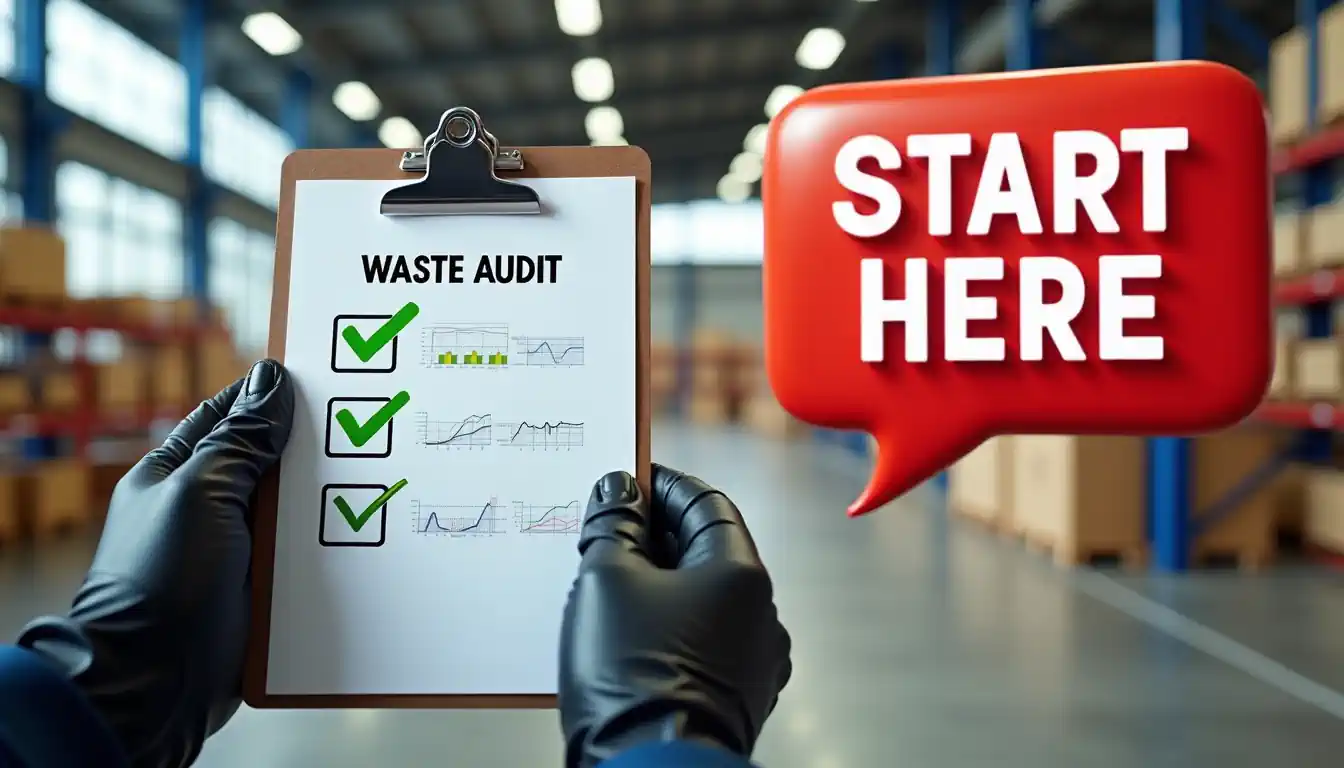
A good starting point is a simple waste review (audit). This does not need to be complicated. Walk through the premises and record the main waste streams, where they arise, how they are stored, how often containers are collected and whether bins are full, half-empty or overflowing.
Common opportunities include:
- Reducing packaging waste by asking suppliers for returnable, reusable or reduced packaging.
- Separating cardboard and paper before they are contaminated by food, liquids or general waste.
- Keeping food waste separate where food is produced, served or discarded.
- Right-sizing containers so the business is not paying for excessive capacity.
- Reducing collection frequency where bins are regularly collected before they are full.
- Increasing collection frequency where overflowing bins cause litter, odour or contamination.
- Training staff so recyclables are placed in the correct containers.
- Checking invoices for charges linked to contamination, excess weight, wasted journeys or rental of unnecessary containers.
In many businesses, the best savings come from improving segregation. If dry recyclables, cardboard or food waste are mixed with general waste, they may become more expensive to manage and less likely to be recovered usefully.
Choosing the Right Waste Containers and Collection Frequency
The right waste container depends on the type of waste, the volume produced, available storage space, vehicle access, collection frequency and any hygiene or safety issues. A small office may only need wheelie bins and recycling containers. A warehouse, manufacturing unit or retail premises may need larger bins, skips, compactors or specialist containers.
Choosing the wrong container can increase costs. Too small a container can lead to overflowing waste, extra collections and poor site appearance. Too large a container may mean paying for unused capacity. The wrong container can also make it harder for staff to separate materials correctly.
A UK waste management services company such as Dial A Bin UK waste management can review how your business uses bins, skips and collections, then help select the right waste container for your business’s needs. You can also visit the main Dial A Bin UK website for wider information about its waste collection and skip hire services.
Before changing contractor or ordering another container, ask:
- Which waste streams do we produce most often?
- Are bins usually full when collected?
- Are recyclables being kept clean and separate?
- Is food waste mixed into general waste?
- Do staff know which bin to use?
- Is there enough space for separate containers?
- Are collection vehicles able to access the site safely?
- Are we paying for avoidable extras or contamination charges?
Waste containers should support good behaviour. If the recycling bin is hidden at the back of the yard while the general waste bin is close to the work area, staff will usually choose the easiest option. Sustainable waste management often requires simple layout improvements as much as new services.
Recycling, Segregation and Simpler Recycling Rules
Recycling works best when materials are separated cleanly. Mixed, dirty or contaminated waste is harder to sort and may lose value. Cardboard contaminated with food, recyclables mixed with liquids, or food waste placed in dry recycling can all create problems.
In England, workplace recycling rules changed from 31 March 2025. Government guidance says businesses, charities and public sector organisations must separate recyclable waste streams, with requirements applying to many non-domestic premises. Micro-firms with fewer than 10 full-time equivalent employees have a later deadline of 31 March 2027.
For many businesses, this means paying closer attention to:
- glass, metal and plastic containers;
- paper and card;
- food waste as a dedicated collection where required;
- clear internal signage and staff instructions;
- avoiding contamination between waste streams.
Businesses operating across England, Wales, Scotland or Northern Ireland should check the rules that apply in their own nation and local area, because waste and recycling requirements are not always identical throughout the UK.
Business Waste Duty of Care
Sustainable waste management is also about legal responsibility. UK businesses have a duty of care for waste. In simple terms, a business must take reasonable steps to ensure that waste is handled safely and lawfully.
This includes making sure that waste is stored securely, described accurately, transferred only to authorised persons, and accompanied by the correct records. For each load of non-hazardous waste moved off business premises, a waste transfer note or equivalent document with the required information is normally needed.
Good practice includes:
- checking that waste carriers are properly registered;
- describing waste accurately using the correct waste classification;
- keeping waste secure so it cannot escape, leak or be fly-tipped;
- retaining waste transfer records;
- ensuring hazardous waste is identified and managed separately where relevant;
- reviewing contractor arrangements periodically.
A low-cost waste contractor is not a good saving if waste later ends up fly-tipped or illegally handled. The producer of the waste can still face questions if reasonable checks were not made.
Sustainable Waste Management for Common Business Waste Streams
Paper and Cardboard
Paper and cardboard are common in offices, shops, warehouses and distribution businesses. These materials are often recyclable, but they need to be kept dry and clean. Cardboard contaminated by food, oil or liquids may be rejected or downgraded.
Practical steps include flattening boxes, using a dedicated cardboard container, asking suppliers to reduce unnecessary packaging, and avoiding the use of general waste bins for clean card.
Food Waste
Food waste is important for restaurants, cafes, hotels, food manufacturers, schools, care homes and staff canteens. The most sustainable option is to prevent surplus food where possible. Where edible surplus cannot be prevented, redistribution may be appropriate. Where food waste remains, separate collection can support treatment options such as composting or anaerobic digestion.
Businesses should look first at ordering, stock rotation, portion control, storage conditions and preparation waste. In many kitchens, waste prevention saves more money than waste disposal changes alone.
Plastics
Plastic waste varies widely. Some plastics are recyclable, while others are difficult to recycle economically or technically. Businesses should reduce unnecessary single-use plastics where practical, keep recyclable plastic containers clean, and avoid mixing plastic films, contaminated plastics and general waste unless the collection service accepts them.
Metals and Glass
Metals and glass can often be recycled, but they must be collected in line with the service provider’s rules. Broken glass, non-packaging glass, ceramics and heat-resistant glass can cause problems if placed in the wrong recycling stream. Businesses should check what their contractor accepts.
Construction and Fit-Out Waste
Construction, refurbishment and shop-fitting projects can generate wood, metals, plasterboard, packaging, rubble, plastics and hazardous materials. Early planning is essential. Site waste should be separated where practical, and contractors should agree responsibilities before work begins.

Questions to Ask a UK Waste Management Services Provider
When choosing or reviewing a waste management services provider, businesses should ask practical questions rather than simply comparing headline prices.
- Which waste streams can you collect separately?
- What container sizes are available?
- How often should each container be collected?
- What happens if a bin is contaminated?
- Can you provide recycling or recovery information?
- Are waste transfer notes or equivalent records supplied?
- Are there extra charges for overweight bins, wasted journeys or additional collections?
- Can you help us review our current waste production?
- Do you provide signage or staff guidance?
- Can you support changes required by recycling regulations?
The best provider is usually not just the cheapest. It is the provider that helps the business reduce avoidable waste, select suitable containers, comply with legal duties and avoid unnecessary collections or contamination charges.
A Simple Sustainable Waste Management Checklist for UK Businesses
Use this checklist as a starting point for reviewing waste on your site:
- List all regular waste streams produced by the business.
- Identify where each waste stream is produced.
- Check whether each stream can be prevented, reduced, reused or recycled.
- Inspect bins before collection to see whether they are full, half-full or overflowing.
- Check whether recyclables are contaminated by food, liquids or general waste.
- Review whether container sizes match actual waste volumes.
- Check whether collection frequency is appropriate.
- Confirm that waste carriers are authorised.
- Keep waste transfer notes or equivalent records.
- Train staff using simple signs and clear instructions.
- Review waste invoices for unexpected charges.
- Repeat the review periodically, especially after business growth, layout changes or new regulations.
How Sustainable Waste Management Can Improve Business Reputation
Customers, employees, landlords, public sector buyers and larger supply-chain partners increasingly expect businesses to manage waste responsibly. A clear waste management approach can therefore support reputation as well as compliance.
For small and medium-sized businesses, this does not need to mean producing a long sustainability report. It may simply mean being able to show that waste is separated properly, contractors are checked, packaging is reduced, and recycling systems are understood by staff.
Businesses that tender for public sector work or supply larger companies may also find that waste management evidence supports procurement questionnaires, environmental policies and ESG requirements.
Common Mistakes That Undermine Sustainable Waste Management
Many businesses try to improve waste management but lose the benefit through avoidable mistakes. These include:
- Adding recycling bins without staff training. If people do not know what goes where, contamination quickly follows.
- Ignoring procurement. Waste prevention often begins with what the business buys.
- Using oversized containers. Paying for unused capacity can waste money.
- Using undersized containers. Overflowing bins can create litter, odour and extra collections.
- Mixing food waste with dry recyclables. This can reduce recycling quality and create hygiene problems.
- Failing to check waste paperwork. Duty of care records are part of responsible waste management.
- Choosing only on price. A cheaper service may cost more if it causes contamination, missed collections or poor compliance.
Conclusion: Sustainable Waste Management Should Save Money as Well as Resources
Sustainable waste management in the UK is not only an environmental issue. For businesses, it is also a practical way to reduce costs, improve site management, meet legal duties and avoid wasteful use of materials.
The most effective approach starts with the waste hierarchy. Prevent waste where possible, reuse materials where practical, recycle clean and well-separated waste streams, and use recovery or disposal only when better options are not suitable.
For many businesses, the quickest improvements come from a simple review of waste streams, container sizes, collection frequency and staff behaviour. Once these basics are understood, a suitable waste management services provider can help match containers and collections to real business needs.
Good sustainable waste management is therefore not about having more bins for the sake of appearances. It is about making waste visible, reducing what can be avoided, separating useful materials properly, and ensuring that every waste movement is handled responsibly.
Sources and Further Reading
- GOV.UK: Waste duty of care code of practice
- GOV.UK: Waste transfer notes for business and commercial waste
- GOV.UK: Simpler Recycling workplace recycling guidance for England
- GOV.UK: Simpler Recycling in England policy update
- Defra: Guidance on applying the waste hierarchy
- WRAP: Business of Recycling guidance
- WRAP: Business resource efficiency guide
Note: A horizontal line across a link text in most cases indicates that when visiting that web page you will be required to show that you are human. The website is checking this to prevent AI bots and spammers accessing their web content.