
Key Takeaways
- Mechanical pretreatment systems like the Waste Separation Press (WSP) can remove up to 92% of glass contaminants and 67% of plastic film from source-separated biowaste.
- Effective mechanical pretreatment transfers approximately 90% of organic materials into the wet fraction ready for biological treatment while diverting contaminants to incineration.
- Traditional manual sorting of biowaste is being replaced by more efficient mechanical systems that simultaneously reduce size and remove contaminants in one process.
- Properly pretreated biowaste produces higher quality compost and improves performance in anaerobic digestion facilities.
- Implementing mechanical pretreatment systems can significantly reduce landfill disposal costs while creating more valuable end products from organic waste.
The road to effective organic waste recycling starts long before composting or anaerobic digestion begins. When biowaste arrives at processing facilities, it contains various unwanted items that can contaminate the final product and damage processing equipment. This is where mechanical pretreatment makes all the difference.
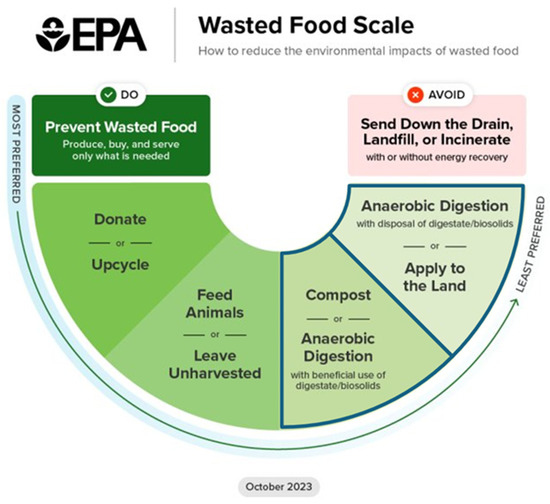
“Food Waste Nutrient Cycling” from www.mdpi.com and used with no modifications.
Why Food Waste Separation Is Critical for Modern Waste Management
Food waste represents one of our most valuable yet underutilized resources. When properly processed, this organic material can generate renewable energy through anaerobic digestion and create nutrient-rich compost for agricultural applications. However, the journey from waste bin to beneficial product requires effective separation of organics from contaminants.
Source-separated collection systems have become increasingly popular worldwide, with households and businesses sorting organics at the point of disposal. Despite these efforts, the reality is that collected biowaste still contains significant amounts of non-organic materials—plastics, glass, metals, and other contaminants that compromise processing efficiency and end-product quality.
Mechanical pretreatment bridges this gap by providing automated systems that can efficiently separate organics from contaminants before biological treatment begins. These technologies not only improve processing efficiency but also ensure that the final products—biogas and compost—meet stringent quality standards necessary for commercial use.
Common Challenges with Source-Separated Food Waste
- High contamination rates (5-15% by weight) in residential collection programs
- Variable material consistency requiring flexible processing approaches
- Presence of difficult-to-remove items like plastic films and glass fragments
- Seasonal variations in waste composition affecting pretreatment effectiveness
- Odor management during the pretreatment phase
Despite community education efforts and clear labeling, source-separated biowaste collection programs consistently face contamination challenges. Even the most conscientious residents may inadvertently include non-compostable items like produce stickers, twist ties, or plastic-lined paper products. Commercial collections often contain additional packaging materials and higher contamination rates, creating significant processing challenges downstream.
High Contamination Rates in Collected Biowaste
The reality of biowaste collection is that contamination remains unavoidable. Studies show that typical contamination rates in source-separated organic waste range from 5% to 15% by weight—significantly higher than the 0.5-1% maximum contamination levels required for high-quality compost production. This contamination includes visible items like plastic bags and bottles as well as less obvious contaminants such as fruit stickers, tea bag staples, and waxed paper.
Most concerning among these contaminants are plastics, which can break down during processing into microplastics that persist in finished compost. When this contaminated compost is applied to agricultural land, these microplastics enter soil systems and potentially the food chain.
Glass fragments present another serious concern, as they can cause physical injuries to workers and damage processing equipment while being nearly impossible to completely remove once shattered.
- Plastics (bags, films, hard plastics): 40-60% of total contaminants
- Glass: 15-25% of total contaminants
- Metals: 5-15% of total contaminants
- Textiles and other non-organics: 10-20% of total contaminants
Inefficiency of Manual Sorting Methods
- High labour costs with diminishing returns on contamination removal
- Worker safety concerns from exposure to sharps and hazardous materials
- Inconsistent quality control is dependent on individual sorter performance
- Inability to process high volumes efficiently during peak collection periods
Traditional manual sorting lines for biowaste present significant operational challenges. Unlike recycling facilities where materials move along conveyor belts at moderate speeds, biowaste often arrives as a dense, wet mass that makes visual identification of contaminants difficult. Workers must sort through offensive-smelling material while watching for dangerous items like broken glass, needles, or other hazardous waste that may have been improperly discarded.
Impact of Collection Systems on Waste Quality
The collection method significantly impacts the quality of biowaste received at processing facilities. Communities using special compostable bags typically see lower contamination rates than those allowing standard plastic bags. However, even compostable bags can pose challenges in mechanical pretreatment systems as they may not break down quickly enough during initial processing. The most effective collection programs combine appropriate containment methods with comprehensive education campaigns that clearly communicate what materials are acceptable.
Studies show that providing households with kitchen caddies lined with compostable bags can reduce contamination by up to 40% compared to unstructured collection methods. Frequent collection schedules, especially during warmer months, not only reduce odor complaints but also minimise the temptation for residents to bag organic waste in non-compostable plastic.
Avoidance of the Creation of Microplastics and Nanoplastics During Pretreatment
A critical consideration in mechanical pretreatment system design is preventing the creation of microplastics during processing. Conventional shredding and grinding systems can inadvertently reduce plastic contaminants to microscopic particles that become virtually impossible to separate from organic material. These microplastics then persist in finished compost, potentially entering agricultural soils and the broader environment.
Modern separation-first pretreatment systems address this concern by removing plastic contaminants before significant size reduction occurs. By prioritizing contaminant removal over particle size reduction, these systems significantly reduce microplastic contamination in the final product.
This approach represents a fundamental shift in pretreatment philosophy that better aligns with sustainability goals and increasingly stringent compost quality standards.
How Mechanical Pretreatment Systems Work
Mechanical pretreatment technologies have evolved significantly over the past decade, moving from simple shredding operations to sophisticated multi-stage systems that can effectively separate organics from a wide range of contaminants.
These systems typically operate on physical principles such as density difference, particle size, and moisture content to achieve separation without chemical additives. The most effective systems combine multiple separation mechanisms to address the complex nature of mixed biowaste.
Waste Separation Press (WSP) Technology
The Waste Separation Press represents one of the most promising innovations in biowaste pretreatment. This technology works by applying pressure to mixed biowaste, forcing the wet organic fraction through a perforated cylinder while retaining dry contaminants like plastics, textiles, and metals. The WSP effectively replaces traditional hand sorting, milling, and screening operations with a single integrated process. For more detailed insights into biowaste management, you can explore this comprehensive report on food waste management.
Research demonstrates that WSP technology can transfer approximately 90% of organic materials into the wet fraction while achieving separation rates of up to 92% for glass and 67% for plastic films.
This high-efficiency separation occurs without the excessive size reduction that contributes to microplastic formation in conventional systems. By maintaining the integrity of contaminants, the WSP allows them to be more easily removed and directed to appropriate disposal or recovery streams.
The moisture differential between organic and inorganic materials is the key operating principle behind WSP technology. Organic materials typically contain 70-90% moisture and readily deform under pressure, while contaminants like plastics and metals remain relatively dry and rigid. When pressure is applied, the moist organics follow the path of least resistance through the perforated screen, while contaminants remain in the press chamber for subsequent removal.
Drum Screen and Shredder Combinations
Traditional drum screen systems combined with specialized shredders remain common in many biowaste processing facilities. These systems typically begin with a slow-speed, high-torque shredder that opens bags and reduces particle size without excessive grinding.
The shredded material then passes through a rotating drum screen that separates material based on particle size, with the organic-rich fine fraction passing through screen openings while contaminants predominantly remain in the oversize fraction.
Modern drum screen systems incorporate features like adjustable screen sizes, self-cleaning mechanisms, and variable rotation speeds to optimize performance across different waste streams. Some advanced systems include intermediate washing stages that use process water to transfer soluble organic components from the oversize fraction to the undersize stream, improving organic recovery rates.
While less effective than newer technologies for plastic film and glass removal, these systems offer reliability and relatively low operational complexity.
Pulping Systems for Wet Separation
Wet pulping systems represent another approach to biowaste pretreatment, particularly suitable for high-moisture food waste streams. These systems combine mechanical agitation with water addition to create a slurry where organic materials are suspended while dense contaminants sink and light contaminants float. The three resulting fractions—floating contaminants, organic slurry, and settled heavy contaminants—can then be separated through physical means.
Pulping systems excel at processing post-consumer food waste from restaurants and cafeterias, where contaminants like cutlery, packaging, and condiment packets are common. The significant water usage in these systems presents both challenges and opportunities—while requiring water management infrastructure, it also allows for process water recirculation that can improve energy efficiency in subsequent anaerobic digestion processes. Modern pulping systems incorporate water recycling to minimize freshwater requirements and reduce wastewater generation.
Case Study: A commercial food waste processing facility in Oregon implemented a two-stage pulping system that reduced contamination in their organic output from 8.5% to under 0.5%. This improvement allowed them to supply high-quality feedstock to a local anaerobic digestion facility, generating renewable energy while diverting food waste from landfills.
Maximizing Environmental and Economic Benefits
Implementing advanced mechanical pretreatment systems for biowaste creates a cascade of positive environmental and economic impacts throughout the waste management chain. From reduced disposal costs to improved end-product quality, these systems generate multiple value streams that can transform waste management from a cost center to a revenue opportunity. The most successful operations integrate mechanical pretreatment into comprehensive organic waste management strategies that maximize resource recovery while minimizing environmental footprint.
The financial advantages of mechanical pretreatment become particularly evident when analyzing full-system costs rather than just equipment investments. When considering landfill diversion savings, reduced contamination management, improved processing efficiency, and enhanced end-product value, the return on investment for modern pretreatment systems typically ranges from 2-5 years depending on facility scale and local market conditions.
Reduced Landfill Disposal Costs
With landfill tipping fees continuing to rise nationwide—now averaging $55-75 per ton and exceeding $120 per ton in some regions—diverting organic waste through effective pretreatment and biological processing creates immediate cost savings.
Mechanical pretreatment systems that achieve 90%+ organic recovery rates substantially reduce the volume of material requiring landfill disposal, often cutting disposal costs by 70-85% compared to landfilling the entire waste stream. These savings alone frequently justify the capital investment in pretreatment equipment, especially in regions with high disposal costs or landfill bans on organic materials.
Higher Quality Output for Anaerobic Digestion
Properly pretreated biowaste dramatically improves anaerobic digestion performance across multiple metrics. Clean, contaminant-free feedstock reduces maintenance requirements by preventing pipe clogging, pump failures, and tank sedimentation that commonly plague digestion systems processing inadequately prepared materials.
The homogenised particle size resulting from effective pretreatment increases the surface area available for microbial activity, accelerating digestion rates and improving biogas production.
Studies demonstrate that well-pretreated food waste can generate 100-150 cubic meters of biogas per ton of input material, containing 60-70% methane—significantly higher than many agricultural feedstocks. This high energy content makes pretreated food waste an excellent co-digestion substrate that can boost overall biogas production when combined with lower-energy materials like manure or biosolids.
Beyond improved gas production, effective pretreatment enhances digestate quality by removing contaminants that would otherwise accumulate in the digestion system or pass through to the solid residuals.
This clean digestate represents a valuable soil amendment that can meet stringent agricultural standards, creating an additional revenue stream while returning nutrients to productive use. For more insights, you can refer to the IEA Bioenergy report on food waste.
Improved Compost Quality
The composting industry faces increasingly strict quality standards as markets evolve from basic landscaping applications toward premium agricultural and horticultural uses. Mechanical pretreatment directly addresses this challenge by removing physical contaminants before they can compromise finished compost quality.
Facilities implementing advanced pretreatment systems consistently produce higher-grade compost that commands premium prices in specialized markets like organic agriculture, nursery production, and retail consumer products.
Future Advancements in Biowaste Pretreatment
The next generation of mechanical pretreatment systems is being developed with a focus on energy efficiency, process intelligence, and circular design principles. Innovations including real-time contamination monitoring, adaptive processing parameters based on incoming waste composition, and modular designs that accommodate changing waste streams are beginning to enter the market. These advanced systems reduce energy consumption while improving separation efficiency through precision engineering and computational optimization.
Perhaps most promising are integrated systems that combine mechanical separation with biological preprocessing techniques like enzyme addition or controlled partial fermentation.
These hybrid approaches can enhance the biodegradability of resistant organic fractions while further improving separation efficiency. As regulatory frameworks continue to evolve toward zero waste objectives and circular economy principles, mechanical pretreatment will play an increasingly crucial role in transforming organic waste streams into valuable resources.
Frequently Asked Questions
Below are answers to some of the most common questions about mechanical pretreatment of biowaste, providing clarity on implementation considerations and performance expectations for waste management professionals evaluating these systems.
What types of contaminants can mechanical pretreatment remove from food waste?
Advanced mechanical pretreatment systems are designed to remove a wide spectrum of non-organic contaminants from biowaste streams. These include visible contaminants like plastic bags and packaging, glass bottles and fragments, metals (both ferrous and non-ferrous), textiles, and composite materials.
The effectiveness varies by contaminant type, with some systems achieving removal rates of 92% for glass, 67-85% for plastic films, and 95%+ for ferrous metals. Fine contaminants like fruit stickers, broken glass fragments, and microplastics present greater challenges, though technologies like the WSP have demonstrated superior performance in managing these problematic materials compared to conventional shredding and screening approaches.
How does mechanical pretreatment improve anaerobic digestion performance?
Mechanical pretreatment enhances anaerobic digestion performance through multiple mechanisms. By removing non-biodegradable contaminants, it prevents operational problems including equipment damage, pipe blockages, and accumulated inerts in digestion tanks that reduce effective capacity over time.
The homogenization and size reduction aspects of pretreatment increase the surface area available for microbial colonisation, accelerating the hydrolysis phase of digestion that often limits overall process rates. For more insights on managing waste effectively, explore our guide on sustainable waste management.
Well-pretreated biowaste typically achieves 15-30% higher biogas yields and digests more completely in shorter residence times compared to unpretreated materials. This performance improvement translates directly to increased energy production, higher throughput capacity, and reduced digestate volumes.
Additionally, digestate from properly pretreated feedstock contains fewer physical contaminants, making it more marketable as a soil amendment and reducing the likelihood of land application restrictions.
What's the difference between WSP technology and traditional shredding systems?
The fundamental difference between Waste Separation Press technology and traditional shredding systems lies in their operational approach to contamination management. Traditional systems typically shred or mill the entire waste stream before attempting to separate contaminants from organics through screens, density separation, or other methods.
This “size reduction first” approach inadvertently creates microplastics and can make glass and other contaminants more difficult to remove as they become embedded in the organic fraction.
| Feature | Waste Separation Press | Traditional Shredding Systems |
|---|---|---|
| Operating Principle | Pressure-based separation utilizing moisture differential | Size reduction followed by screening |
| Microplastic Generation | Minimal – contaminants remain largely intact | Significant – plastics are shredded into small fragments |
| Glass Removal | Up to 92% removal efficiency | Typically 50-70% removal efficiency |
| Plastic Film Removal | 67-85% removal efficiency | 30-60% removal efficiency |
| Organic Recovery | Approximately 90% transfer to wet fraction | 70-85% recovery in fine fraction |
| Energy Consumption | Lower – less mechanical action required | Higher – energy-intensive shredding process |
WSP technology, by contrast, employs a “separate first” approach where pressure is applied to biowaste, forcing the wet organic fraction through a perforated screen while keeping contaminants largely intact.
This preserves the physical characteristics that make contaminants easier to remove and significantly reduces microplastic generation. The WSP process also requires less energy than shredding systems since it leverages the natural moisture content of organic waste rather than applying brute mechanical force to the entire waste stream.
Another key advantage of WSP technology is its ability to handle variability in input materials without significant operational adjustments.
Traditional systems often require different screen sizes or processing settings for seasonal variations in waste composition, while WSP systems can accommodate these changes with minimal adjustments due to their reliance on fundamental physical properties rather than specific particle size targets.
What scale of operation is mechanical pretreatment suitable for?
Mechanical pretreatment systems are available across a wide range of processing capacities, from small-scale units handling 1-2 tons per hour to industrial installations processing 20+ tons hourly. This scalability makes the technology suitable for diverse applications, from community-scale composting operations to regional biogas facilities serving major metropolitan areas.
The optimal scale depends on factors including waste collection infrastructure, transportation logistics, and local regulatory frameworks. Many facilities find that medium-scale installations (5-10 tons per hour) offer the best balance between capital efficiency and operational flexibility, allowing for processing of locally generated waste without excessive transportation requirements.
How does pretreatment affect the final quality of compost products?
Effective pretreatment directly correlates with superior finished compost quality by removing physical contaminants before they can fragment and distribute throughout the composting mass. The most visible benefit is dramatically reduced plastic contamination, which addresses both aesthetic concerns and growing regulatory scrutiny regarding microplastics in environmental applications. Glass removal is equally important, as glass fragments pose safety risks to handlers and end-users while potentially restricting compost use in high-value applications.
Beyond contaminant removal, proper pretreatment helps optimize particle size distribution for composting processes. This balanced mixture of material sizes promotes optimal airflow through compost piles while maintaining appropriate moisture distribution, accelerating decomposition while minimizing odor issues and potential anaerobic zones. The result is more consistent composting performance with reduced processing time and improved product uniformity.
For facilities marketing to premium segments like certified organic agriculture or retail consumer products, the investment in advanced pretreatment technology often represents the difference between accessing high-value markets and being limited to basic land application uses. With premium compost products commanding $30-60 per cubic yard compared to $10-15 for basic compost, the financial returns on quality improvements can be substantial.
For municipalities and waste management companies looking to optimize their biowaste processing operations, consulting with specialists in mechanical pretreatment technologies can provide tailored solutions that address specific contamination challenges while maximizing resource recovery. The right system transforms problematic waste streams into valuable resources while supporting broader sustainability objectives.