
Commercial trash compactors are industrial machines that use hydraulic or pneumatic power to significantly reduce the volume of waste (like cardboard, food scraps, or general refuse), saving businesses money on hauling costs by decreasing pickup frequency, improving cleanliness, and increasing operational efficiency for sectors like retail, food service, and manufacturing.
Key Points
- Eco-friendly trash compactors can reduce waste volume by up to 90%, significantly decreasing hauling costs and the frequency of collection for businesses.
- Implementing compactors for materials like general waste, dry mixed recycling, cardboard, and paper can lower your carbon footprint by reducing transportation emissions.
- Businesses typically see ROI within 12-18 months, with an average 50-75% reduction in waste management costs in the first year alone.
- Material-specific compactors optimize recycling streams, helping businesses meet sustainability goals and comply with increasingly strict environmental regulations.
- Bay Area Trash Compactors offers customized solutions that integrate seamlessly with existing waste management systems, minimizing operational disruption.
The growing mountain of commercial waste is no longer just an environmental concern—it's becoming a major financial burden for businesses across all industries. With landfill space diminishing and tipping fees rising annually, companies are scrambling to find solutions that balance sustainability with profitability. Eco-friendly trash compactors stand at the intersection of these priorities, offering immediate operational benefits while supporting long-term environmental goals.
Most businesses produce thousands of pounds of waste every week, and the cost to get rid of it is increasing 5-7% each year in many areas. Bay Area Trash Compactors offers creative compaction solutions that directly tackle this problem by significantly reducing the amount of waste and improving collection schedules. These advanced systems do more than just compact waste—they revolutionize how you manage resources.
Today's trash compactors are a far cry from the old waste management methods. They allow businesses to work more efficiently, save space, and show customers and stakeholders that they care about the environment. The right compactor doesn't just save money—it sets your business up for success in a world where being green and being efficient go hand in hand.
The Rising Tide of Commercial Waste: The Urgent Need for Improved Business Solutions
Commercial waste volumes have hit an all-time high, with businesses discarding materials at a pace that traditional waste management infrastructure didn't foresee. This surge is putting a huge strain on collection systems, landfills, and recycling facilities—and businesses are feeling the financial pinch. Without action, these costs will keep climbing, eating into profit margins across all industries.
There are also environmental impacts to consider. Trash that isn't compacted needs to be picked up more often, which means more carbon emissions from the trucks that transport it. Loose trash also takes up a lot more room in landfills, which makes them fill up faster and means we have to keep opening new ones. As more and more communities push back against new waste facilities, businesses are running out of time to change the way they handle trash.
Interestingly, businesses that haven't adopted compaction solutions are said to spend 30-40% more on waste management than their rivals that have embraced modern compaction technology. This gap creates a competitive disadvantage that only gets bigger each year as disposal costs keep increasing and regulations become stricter.

“Buying a commercial trash compactor …” from nedland.com and used with no modifications.
Increased Disposal Costs Are Taking a Bite Out of Your Profits
Waste disposal costs have risen by more than 25% in the last five years, far exceeding inflation. Many businesses are now discovering that waste management is eating up 1-2% of their total operating budget—a cost category that often goes unnoticed until it reaches critical levels. With landfill space decreasing across the country and transportation costs increasing, businesses should anticipate these trends to speed up rather than slow down in the future. To address these challenges, companies are exploring sustainable waste management strategies to mitigate rising expenses.
Waste Management Regulations Are Becoming More Rigorous
Waste management rules are swiftly changing, with local, state, and national authorities imposing more rigorous standards. Numerous areas now require recycling for specific materials, set waste diversion goals, and impose penalties for non-compliance. These regulations are not only environmental policies—they are altering the financial implications of waste management for businesses in all industries.
Progressive businesses are interpreting these regulatory changes as early indicators of a wider societal shift in attitudes towards waste. Instead of rushing to adapt to each new regulation, these leading companies are implementing all-encompassing waste reduction strategies that use the latest compaction technology. This forward-thinking strategy not only guarantees that they'll meet regulatory requirements, but it also puts these companies in a strong position as regulations continue to develop.
Old-Fashioned Waste Management is Inefficient
Traditional waste management methods are extremely labor-intensive, often requiring employees to manually carry materials to dumpsters multiple times a day. This not only takes away from productive work time but also creates safety hazards and potential workers' compensation issues. In addition, uncompacted waste requires a lot of storage space that could otherwise be used to make money, especially in retail, restaurant, and hospitality environments where square footage is at a premium.
Understanding the Functioning of Eco-Friendly Trash Compactors
Today's eco-friendly compactors use hydraulic systems to apply massive pressure to waste materials, significantly decreasing their volume while preserving the recyclability of the waste. These aren't the loud, ineffective machines of yesteryears. Modern compactors operate quietly, efficiently, and require little maintenance. The basic concept remains compression, but advancements in material science, electronic monitoring, and hydraulic technology have led to systems that provide exceptional performance with little environmental impact.
Waste Reductions Of Up To 90% With Compression Technology
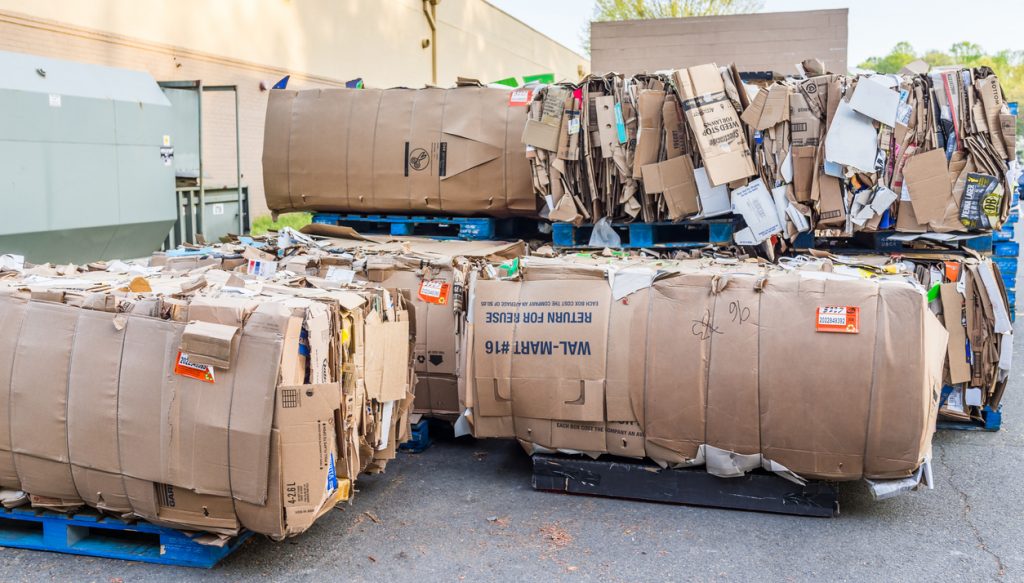
Modern compactors are equipped with complex hydraulic technology that can generate a pressure of between 30,000 and 60,000 pounds. This incredible force compresses waste down to a fraction of its original size, turning loose materials into dense, easily transportable blocks. For materials like cardboard, which makes up as much as 40% of commercial waste by volume, this compression can achieve ratios of 10:1 or even higher. This effectively means that ten dumpsters of material can be reduced to just one container.
“Commercial Trash Compactor – KenBay” from www.kenbay.com and used with no modifications.
Environmentally Friendly Compactors with Intelligent Monitoring Systems for Efficient Collection Schedules
Modern compactors that are friendly to the environment come with monitoring systems powered by the Internet of Things (IoT). These systems keep a constant eye on fill levels, compression rates, and operational metrics. This way, they take the guesswork out of scheduling waste collection, making sure pickups only happen when containers are optimally full. This data-driven method avoids both early collections that waste resources and overflow situations that can lead to compliance problems.
Modern monitoring platforms offer instant alerts and thorough reporting features that change waste management from a necessary reaction to a proactive plan. Many systems directly connect with hauler scheduling software, automating the entire collection process and creating unmatched operational efficiency. For businesses with multiple sites, these platforms provide centralized management of waste operations across all locations, offering valuable insights for ongoing improvement.
Customized Trash Compactors to Meet Diverse Business Requirements
Every business generates a unique waste stream that requires custom compaction solutions. Recognizing this, today's manufacturers provide compactors that are designed for specific types of materials. Cardboard compactors, for example, have larger openings and unique compression designs that increase density while preserving the recyclability of the material. Compactors for food waste are equipped with systems for containing liquids and surfaces that are antimicrobial, allowing for the hygienic and efficient handling of organic materials.
Businesses that manage mixed recyclables can use specialized compactors to prevent mixing of materials and achieve the best density. General waste compactors, which are built to be sturdy, can handle a variety of materials while maximizing volume reduction. When businesses match the design of the compactor to the specific type of waste, they can improve both their operational efficiency and their impact on the environment.
Five Key Types of Green Compactors for Businesses of All Sizes
Compaction technology has come a long way to meet the varying needs of businesses in all industries and sizes. Whether you're a city retailer with limited space or a large manufacturing plant, there's a compactor designed for your specific operational needs. Knowing the pros and cons of each compactor type is crucial to making an investment that provides the most financial and environmental benefits.
When you're weighing your options, you should think about not just how much waste you're producing now, but also how much you expect to produce in the future. You should also take into account any seasonal changes in your waste production, as well as any laws or regulations that might change what kinds of waste you produce. The best compactor for your business will be one that can handle your waste needs as your business grows, can deal with high volumes of waste during busy times, and can adapt to new rules and regulations.
1. Vertical Compactors: Perfect for Small Spaces and Retail Businesses
Vertical compactors are a perfect fit for businesses with limited space. These units stand upright, taking up minimal space while delivering impressive compression ratios. They are particularly beneficial for retail businesses, restaurants, and offices in urban locations. Depending on the type of waste, vertical compactors can typically reduce waste volume by a ratio of 4:1 to 6:1.
These compact machines don’t require a lot of installation infrastructure, which makes them perfect for leased locations where you might not be able to make permanent changes. Many vertical models run on standard power connections and don’t require a lot of structural support, so you can place them wherever it makes the most sense in your facility. Despite their small footprint, these machines can deliver significant cost savings, with most businesses reporting a 30-40% reduction in hauling costs after they start using a compactor.
2. Fixed Compactors for Storage and Production Facilities
Fixed compactors are the heavy-duty tools of waste management, built for high-capacity environments like storage facilities, distribution centers, and production facilities. These strong systems usually reach compression ratios of 6:1 to 8:1, significantly lowering the need for waste collection and the related expenses. Their sturdy build can handle continuous heavy use, making them perfect for operations that produce a lot of material every day.
Even though you need to prepare the site and install a concrete pad foundation and power supply to set up stationary compactors, the investment is worth it. You'll see a significant decrease in waste handling labor, fewer hauls, and increased recycling revenue for high-volume materials like cardboard and plastics. Many manufacturing facilities have reported a 60-70% decrease in waste management costs after they started using stationary compaction systems.
3. Integrated Compactors for Food-Related Businesses
Integrated compactors are perfect for businesses that deal with wet waste, food scraps, and other materials that have a liquid content. They have a sealed compression chamber and a liquid collection system that prevents leaks, odors, and pests. They are particularly useful for restaurants, grocery stores, hotels, and food production facilities. For more information, check out this retail waste compactor guide. They keep everything sanitary and significantly reduce the amount of waste.
Aside from the efficiency they bring to operations, self-contained compactors also help solve major environmental issues that come with food waste. They lessen the amount of organic materials and contain the liquids that come with them, which in turn reduces methane production and leachate problems at disposal sites. A lot of businesses have found that self-contained compactors pay for themselves in 12-18 months. This is because they decrease the frequency of collection, make the site cleaner, and lower the costs for pest control.
4. Pre-Crusher Compactors For Large Waste
Pre-crusher compactors are designed with special mechanisms that crush large items before they are compacted. This makes them perfect for businesses that deal with packaging materials, large cardboard boxes, pallets, or large waste from manufacturing. These systems have strong crushing parts that break down large items into smaller pieces before they are compacted. This results in a high density and volume reduction, often achieving ratios of 10:1 or more.
Although the upfront cost of pre-crusher systems is higher than standard compactors, the returns make this premium worth it for operations that handle large volumes of bulky materials. Companies that use these specialized systems have reported not only significant reductions in hauling costs but also substantial labor savings, as employees no longer have to manually break down large items before they can be disposed of. In addition, the superior compression that is achieved means fewer collections, reduced transportation emissions, and a lower overall environmental impact.
5. Mobile Compactors for Businesses with Multiple Locations
“Mobile compactors – Waste Disposal …” from compoman.ee and used with no modifications.
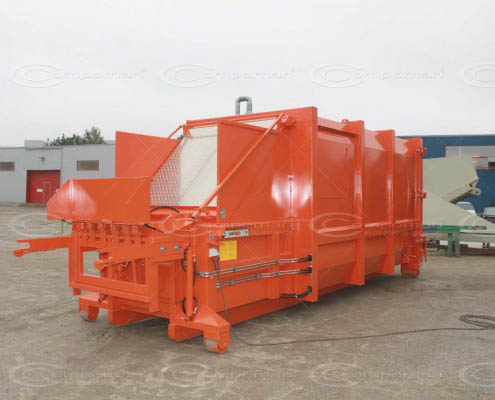
For businesses that operate in multiple locations or have changing needs, mobile compactors offer a unique level of flexibility. These devices use powerful compression technology and can be moved between sites or repositioned as the needs of the business change. This adaptability is particularly beneficial for retail chains, construction companies, event venues, and businesses with seasonal fluctuations.
Just because these systems are portable doesn't mean they skimp on performance. Depending on what materials you're compacting, you can expect compression ratios of 5:1 to 7:1. Many of these models are designed with quick-connect power couplings and standardized footprints for easy setup at different locations. This means you can get more bang for your buck because you can use one portable unit at multiple sites instead of having to buy a dedicated compactor for each location.
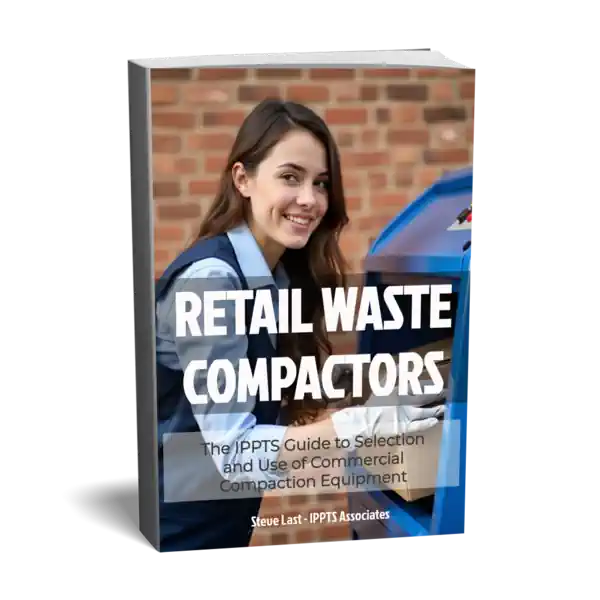
Guide Explains How to Make the Best Choice of Compactor Purchase for Your Company
True Financial Advantages: Instantaneous Cost Savings
Although the environmental advantages of eco-friendly trash compactors are persuasive, the economic argument is just as strong. Companies that adopt contemporary compaction technology usually experience immediate and significant decreases in waste management costs—often within the first month of use. These savings come from various areas, providing a holistic return on investment that turns waste management from a cost burden into a strategic benefit.
Not only do these eco-friendly trash compactors save businesses money on waste hauling expenses, they also improve space utilization, labor efficiency, and can even generate revenue through optimized recycling. When considering the investment in a compactor, savvy businesses look at the big picture, not just the cost of the equipment versus the savings on hauling.
Normal Return on Investment Period: When Your Compactor Becomes Cost-Effective
Most companies see a full return on investment for eco-friendly trash compactors within a year to a year and a half, although many have reported achieving this goal even sooner. The exact period depends on the amount of waste, the cost of disposal, and the particular model of compactor chosen. Businesses that produce a lot of waste often see a return on investment in as little as half a year to two-thirds of a year, especially when they replace several regular dumpsters with one compaction unit.
When considering the financial benefits, it’s important to look at both the direct savings from reduced hauling fees and lower tipping costs, as well as the indirect benefits such as labor efficiency, space reclamation, and improved sanitation. When you look at the whole picture, compaction technology typically delivers annual returns of 30-50% on initial investment, making it one of the best financial decisions a modern business can make for sustainability.
Lower Hauling Costs by 50-75% in the First Year
The most noticeable and immediate financial advantage is a significant decrease in the frequency of collections. Uncompacted waste usually requires collection 3-5 times a week, while properly compacted waste often needs collection only once a week or even every other week. This reduction directly translates into a 50-75% savings on hauling costs, which make up the largest part of most waste management budgets.
These savings add up over time as collection costs keep going up across the country. By locking in fewer collections now, businesses are effectively protecting themselves against future cost increases that would otherwise affect their bottom line. Additionally, waste haulers often give better pricing for compacted waste, as it requires fewer resources to collect and transport, creating another layer of savings.
Take Back Your Space: Transform Waste Storage Into Usable Space
One of the most underestimated financial benefits of compaction technology is the amount of space it can save. By compressing waste and reducing its volume by up to 90%, businesses can either significantly decrease the size of their waste storage area or keep it the same size but have the waste collected less frequently. The space that is freed up can be used for activities that generate revenue, such as additional retail displays, increased production capacity, or storage for high-value inventory.
Businesses in high-rent areas can save thousands of dollars each year in lease costs by reclaiming space. Retail operations have seen especially good returns when they convert former waste areas into merchandise display areas, with some stores earning an additional $500-1,000 per square foot each year from reclaimed space.
Lowering Labor Costs by Automating Waste Management
Old-fashioned waste management systems require a lot of manpower, with employees spending a lot of time manually dealing with, moving, and processing un-compacted waste. Modern compaction technology greatly reduces the need for labor by automating the process, reducing the amount of time staff spend dealing with waste by 60-80% in most cases. For more information on how these systems work, visit Mark-Costello Co.
Not only do compactors save on labor costs, they also decrease the risk of workplace injuries that come with handling waste. This could lead to lower workers' compensation costs and prevent productivity losses from staff absence. Many businesses have reported that another benefit is improved staff morale, as employees appreciate not having to handle waste and can focus on core business activities. For more information, check out this retail waste compactor guide.
The Green Effect: More Than Just Lowering Waste
Although the potential for cost savings is often the main factor behind initial investment decisions, the positive environmental effects of eco-friendly trash compactors go much further than simply reducing the amount of waste. These systems can have a ripple effect of positive impacts across various environmental areas, helping businesses to significantly lower their ecological footprint and show a genuine dedication to the principles of sustainability.
Reducing the Carbon Footprint by Decreasing the Number of Collection Trucks
Transportation is a significant contributor to the environmental impact of waste management. Each trip of a collection truck generates a substantial amount of carbon emissions. Compaction technology can reduce these emissions by 50-75% by decreasing the frequency of collections. For a business that reduces its collections from four times a week to once a week, this means a 75% reduction in the carbon emissions related to transportation from their waste stream.
When this reduction is combined across many businesses, it becomes especially significant. In commercial areas where compaction technology is widely used, they report a substantial decrease in waste collection traffic. This not only reduces emissions, but also congestion, noise pollution, and wear on local infrastructure.
Lower Methane Emissions From Compressed Waste
Uncompressed waste containing organic materials decomposes quickly in anaerobic landfill conditions, producing methane—a greenhouse gas that is 25 times more potent than carbon dioxide. When waste is properly compressed, it creates conditions that are not conducive to rapid methane production, slowing down the decomposition process and reducing short-term methane emissions. This is especially true for businesses that produce a lot of organic waste, such as food service operations, grocery stores, and hotels.
Though non-recycled materials will eventually break down over time, reducing the release of methane in the short term can help lessen the effects on the climate in the crucial years to come. For businesses that monitor scope 3 emissions in their sustainability reports, this reduction offers a quantifiable and reportable enhancement in their environmental performance.
How Compactors Can Help Your Business Become More Sustainable
Modern trash compactors can easily be incorporated into your business's overall sustainability goals. They often serve as the foundation for a comprehensive environmental program. Compactors optimize waste streams and improve material separation, which enhances recycling effectiveness, reduces contamination rates, and maximizes resource recovery. Many businesses find that implementing trash compactors increases their recycling rates by 15-30% through improved material handling and stream separation.
For businesses that have made official promises to be sustainable, compaction technology offers clear environmental advantages that can be included in ESG reports, sustainability certificates, and marketing messages. This quantification allows businesses to transform their dedication to the environment into concrete measurements that will appeal to stakeholders, customers, and investors who are more and more interested in a company's environmental impact.
Proof in the Pudding: Success Stories from Real Businesses
The power of green trash compactors is best shown through the stories of real businesses that have successfully integrated this tech into their operations. Their experiences offer important lessons and standards for companies thinking about making similar investments, showing both the hurdles and significant advantages of contemporary waste compaction.
How One Retail Chain Slashed Their Waste Costs By 62% In Just Six Months
A medium-sized retail chain with 28 stores swapped out their traditional dumpster service, which was costing them almost $380,000 a year, for vertical compactors at all of their locations. In just six months, their waste costs had plummeted to around $144,000—a 62% decrease that boosted profit margins at every store. On top of the direct cost savings, the company reported major improvements in store cleanliness, fewer pest control problems, and an increase in customer perception of their commitment to the environment.
Setting up the system required some initial training for staff and a few operational changes, but it became a part of the store's operations within a few weeks. Store managers said they spent 75% less time dealing with waste, which allowed them to spend more time on customer service and managing merchandise. The company got a full return on their investment in the compactor within 11 months, and they continue to save money, especially as the cost of waste hauling goes up each year.
Manufacturing Plant Slashes Collection Frequency From Every Day To Once A Week
A manufacturing plant that was producing a lot of cardboard and plastic packaging waste was relying on three 8-yard dumpsters being collected every day. This was causing a lot of disruption to their operations and costing them over $4,200 a month. After they installed a stationary compactor that had separate streams for cardboard and general waste, they were able to reduce their collections to just once a week. This brought their monthly costs down to around $1,100. This is a reduction of 74% and it saved them over $37,000 a year.
Not only did the business save money, but it also regained precious yard space that was once taken up by multiple dumpsters. This allowed the business to expand its shipping operations without having to lease more property. The improved efficiency in handling waste also meant that labor requirements were reduced by about 15 hours a week. This meant that staff could be reassigned to tasks that added more value to the production process. On top of this, by separating and compacting cardboard properly, the business was able to generate a small amount of revenue from material that used to be a disposal cost.
How a Hotel Chain Achieved Zero Waste Through Intelligent Compaction
An organization that runs 12 hotels started a thorough waste reduction initiative that was focused on intelligent compaction technology. They installed compactors that could contain food waste, vertical compactors for various recyclables, and units that were specifically for cardboard. This led to an impressive reduction in waste. In just a year and a half, they increased their recycling from 23% to a diversion rate of over 87% from landfills.
The hotel group's new integrated system features IoT monitoring that provides up-to-the-minute data on waste generation patterns across all properties. This allows for continuous process optimization and staff training. The new system has led to a 58% decrease in monthly waste management costs and a significant increase in guest satisfaction scores related to environmental performance. The hotel group now highlights their waste diversion success in marketing materials, which attracts environmentally conscious travelers looking for sustainable accommodations.
Finding the Perfect Compactor for Your Business
Choosing the best compactor for your business isn't as simple as buying the cheapest or most advertised model. Instead, it requires a careful evaluation of your unique operational needs, the type of waste you generate, any physical limitations, and your budget. By taking a methodical approach to your compactor purchase, you can ensure that you get the most bang for your buck and do the most good for the environment.
Even though the upfront cost of compaction technology may be higher than traditional waste equipment, the significantly lower ongoing costs make eco-friendly compactors the obvious financial choice for most businesses. Making the decision with all the facts at your disposal allows you to choose not just a waste management tool but a strategic business asset that delivers continuous operational enhancements.
Before You Buy: Conduct a Waste Audit
Before you can choose the right compactor, you need to understand what you're dealing with. A thorough waste audit will show you how much waste your business produces and what it's made of. This should be done over several weeks to account for changes in operations, and it should identify the busiest times for waste production that your compactor will need to handle. Knowing what's in your waste will also help you decide whether you need separate compactors for different types of materials or just one for mixed waste.
Many compactor companies offer free waste audits as part of their consulting process. They bring their knowledge and specialized tools to this important assessment. These professional audits often show opportunities for optimization beyond compaction, such as strategies for reducing sources or improved approaches to segregating materials that further enhance your waste management program.
Space and Installation Needs
Installing a compactor requires thoughtful planning to guarantee the best location, proper utility connections, and least amount of operational interruption. Most stationary models need a concrete pad foundation, three-phase power, and enough clearance for garbage trucks. Vertical compactors usually require less space, but still need appropriate power access and clearance for loading materials and removing the container. For more information on choosing the right compactor for your needs, visit Mark-Costello Co.
When evaluating a site, consider not only the physical space but also how the workflow will function, ensuring that the compactor’s location will facilitate efficient transfer of materials from their generation points. Indoor compactors require additional considerations for ventilation, noise reduction, and integration with the building’s systems. Many businesses find that working with an experienced installation partner can provide significant long-term benefits through optimized placement and proper integration with existing infrastructure.
Guide Explains How to Make the Best Choice of Compactor Purchase for Your Company
Should You Buy or Lease? Making the Financial Choice
The decision to buy or lease compaction equipment is largely dependent on your financial goals, cash flow, and long-term operational strategy. Buying provides lower costs over the lifetime of the equipment, ownership of the asset, and the greatest flexibility for equipment modifications. Leasing, on the other hand, requires less capital upfront, includes maintenance coverage, and makes it easier to upgrade equipment as technology advances.
Leasing is a popular way for many businesses to begin using compaction technology, especially when the lease includes maintenance and the possibility of upgrades. Lease-to-own is another option that allows businesses to build equity in their equipment while keeping initial payments low. No matter how a business acquires their compactor, the money saved from operations usually far outweighs the cost of the equipment. This makes any acquisition method more financially sound than not compacting waste at all.
Getting Your Trash Compactor to Work With Your Current Waste System
Getting a trash compactor to work with your current waste system requires a lot of planning. You'll need to think about how it fits into your current waste management processes, how your staff will use it, and how it will affect your waste collection arrangements. This transition period can be difficult, but it can also be a great opportunity to make your waste handling system more efficient. By taking a systematic approach to this integration, you can minimize disruption and get the most out of your investment in compaction technology.
Training Your Team to Use the New Machine
Getting your staff onboard with the new compactor is key to ensuring its success. This is because the way the materials are loaded and how the machine is operated can directly affect its performance and lifespan. Training should be thorough and cover not just how to operate the machine, but also how to sort the materials correctly, safety measures, and what to do if something goes wrong. Making easy-to-understand visual guides, setting up standard procedures, and picking out a few waste champions in your team can all help to make sure the machine is used properly and regularly. For more insights, explore sustainable waste management practices that can enhance your team's efficiency.
Training is also a great time to remind your team about the importance of sustainability and how using a trash compactor can help achieve your environmental goals. Many businesses have found that getting their employees involved in the process of choosing and setting up a trash compactor can lead to better long-term results. Your staff may have valuable insights about where to put the compactor, how to access it, and how to integrate it into your operations that you or an outside consultant might not think of.
Keeping up with training and feedback helps businesses stay at the top of their game, stopping bad habits or changes in procedure from forming. Some businesses even have recognition programs that highlight departments or people who are especially good at managing waste, which helps remind everyone how important it is to use the compactor correctly.
Collaborating with Your Waste Hauler for Optimal Schedules
For a compactor to be effective, you must work with your waste hauler to determine the best collection schedules and billing structures that match your reduced collection needs. Most haulers are happy to work with compacted waste because it is more efficient, but you will need to renegotiate your contract to reap the full financial benefits. These negotiations should include how often collections occur, the price per collection, the contamination standards for recyclables, and any special handling requirements.
Businesses with various waste streams can often find extra efficiencies by coordinating collection schedules across different compactors. Many businesses find that coordinating collections simplifies operations and reduces the total time spent managing waste service interactions. Smart compaction systems that monitor fill levels can further streamline this process, triggering collections only when containers are optimally full.
Prepare for the Future: A Long-Term Approach to Waste
Adopting compaction technology isn’t just a way to improve your operations—it’s also a strategic move that prepares your business for changes in waste management. As disposal costs continue to rise and regulations become stricter, companies with efficient waste systems will have a significant competitive advantage. Building a comprehensive waste strategy around modern compaction can help your business withstand both market and regulatory pressures.
“Managing waste is no longer just an operational necessity, but a strategic advantage. Companies that focus on optimizing their waste streams can gain significant cost and compliance benefits that will increase over time. Modern compaction technology is not just about handling waste, but about turning a traditional cost center into a competitive advantage.”
– 2022 Environmental Business Journal
Progressive businesses see waste not as an unavoidable result but as a resource stream that needs proper handling. This shift in perspective leads to ongoing improvements in waste handling processes, with compaction technology forming the basis for increasingly advanced approaches. As circular economy principles become more popular, businesses with optimized waste systems are well-prepared to take part in emerging resource recovery opportunities.
When creating a waste strategy, you should be frequently reevaluating your compaction equipment needs, changes in the composition of waste, and any new technologies that emerge. Many businesses have a quarterly review of their waste performance. During these reviews, they track important metrics, identify areas where they can improve, and ensure that their approach to waste management evolves along with the realities of their operations. This dynamic approach ensures that your investment in compaction technology continues to provide value in the long term, while keeping your business in line with the best practices for sustainability.
Common Questions and Answers
When businesses start looking into eco-friendly trash compactors, they often have a lot of the same questions about how to put them into practice, how they work, and what kind of results they can expect. The answers below can help guide businesses that are in different stages of deciding whether or not to use these compactors.
What's the Price Tag for an Eco-Friendly Trash Compactor?
For small vertical units, the initial cost for eco-friendly compactors is between $5,000 and $8,000. Stationary commercial systems usually run between $15,000 and $30,000. Self-contained compactors, depending on capacity and features, can range from $18,000 to $40,000. Although these numbers are higher than traditional waste containers, the money saved in operations usually results in a return on investment in 12 to 18 months for most businesses. For more detailed information, check out this retail waste compactor guide.
There are numerous suppliers who offer flexible payment plans that sync monthly payments with the expected savings from waste hauling, resulting in an immediate positive impact on cash flow. Furthermore, many manufacturers offer performance guarantees to ensure that the projected savings become a reality, which minimizes the financial risk for the business implementing the system. When considering the costs, it's crucial to look at the total lifecycle cost rather than just the initial purchase price.
What Kind of Upkeep Do Trash Compactors Need?
Today's green-friendly compactors are designed to be reliable and usually need preventative maintenance every three months, which includes checking the hydraulic system, verifying the control system, and assessing the structure. Daily use requires little maintenance beyond basic cleaning and visual checks. Most makers suggest a thorough service every year to keep the compactor working at its best and to make it last longer.
Are All Types of Business Waste Suitable for Compactors?
There are various models of compactors, each designed to handle a specific type of waste. Therefore, practically all types of commercial waste can be managed by a compactor. General waste compactors are designed to handle a mix of materials, while there are also specialized units that are optimized for handling specific types of waste such as cardboard, plastic, or organic waste. However, hazardous materials, certain construction debris, and items containing batteries typically require specialized handling that is not provided by standard compaction systems.
Businesses with a variety of waste types often find that using a range of compactors, each designed for a different material, is the most effective approach. Many businesses find that compacting each material separately not only makes their operations more efficient but also increases the amount they earn from recycling by producing purer, more valuable streams of commodities. The results of your waste audit should help you decide which equipment to use, to make sure that each type of material is handled in the best way.
What is the Lifespan of a Commercial Trash Compactor?
Commercial compactors that are regularly serviced can last anywhere from 8 to 12 years. Some can even last more than 15 years if they are properly cared for. The lifespan of a compactor depends on several factors such as how often it is used, the type of materials it compacts, how regularly it is maintained, and the environment in which it is used. Most manufacturers offer extended warranties that last 2 to 5 years on major components. This provides financial coverage during the initial years of operation.
Does the Government Offer Incentives for Eco-Friendly Waste Equipment Installation?
There are numerous incentives offered by various jurisdictions for businesses that install waste reduction technology, such as tax credits, rebates, grants, and low-interest financing. The specifics of these programs can differ greatly depending on the location, with some cities offering as much as 30% of the cost of the equipment in the form of direct rebates or tax incentives. Some utility companies also offer energy efficiency rebates for compactors that help reduce waste transportation and the emissions that come with it.
Aside from saving money, businesses that use trash compactors can often qualify for fewer waste management regulations through different green business certification programs. These certifications can make it easier to follow the rules and also provide marketing benefits in markets that are becoming more and more environmentally friendly. If you talk to local economic development offices, sustainability departments, and waste management authorities, you can find out about programs in your specific area.
Adopting green trash compactors is one of the most significant actions a company can take to improve operational efficiency and demonstrate environmental stewardship. The technology's capacity to provide instant financial benefits while promoting sustainability objectives makes it a particularly worthwhile investment in the current business environment.
Bay Area Trash Compactors offers a wide range of waste reduction solutions that are tailored to your business's specific needs. This helps you to maximize both financial and environmental benefits while making implementation and ongoing management easier.
Trash compactors are an environmentally friendly solution to waste management. They can reduce the volume of waste by up to 80%, making it easier to manage and dispose of. This not only saves space in landfills, but also reduces the amount of transportation required to move the waste, reducing carbon emissions.
Businesses that use trash compactors can also save money. By reducing the volume of waste, they can reduce the frequency of waste collection, which can be a significant cost. Additionally, some waste materials can be sold for recycling, providing an additional revenue stream.
Trash compactors are also safer than traditional waste disposal methods. They are fully enclosed, reducing the risk of injury from sharp objects or hazardous materials. They also reduce the risk of pests and odors, making the workplace more pleasant and hygienic.
There are many different types of trash compactors available, suitable for different types of waste and business needs. For example, there are compactors designed for food waste, which can be used in restaurants or food processing facilities. There are also compactors for general waste, which can be used in offices or retail stores.
Overall, trash compactors are a great investment for businesses looking to reduce their environmental impact and save money. They are a practical, efficient, and sustainable solution to waste management.