
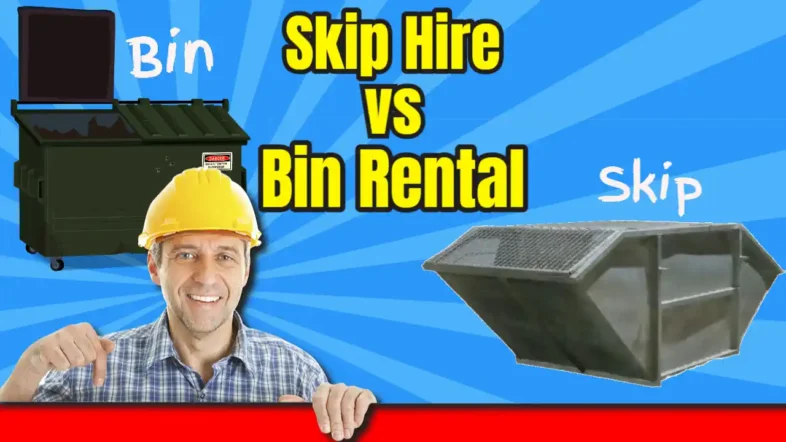
If you’ve ever tried to price out waste removal across different countries, you’ll know the language changes even when the problem is the same: you’ve got debris, you need it gone, and you want the process to be painless. In the UK, that usually means skip hire; in the US, it’s typically dumpster rental. If you want a reliable starting point, these skip hire UK helpful articles are a solid reference for how skip sizes, loading rules, and collections commonly work in practice, especially when you’re comparing a 6-yard option to an 8-yard option and trying to avoid overpaying.
In this guide, I’m going to keep it practical and business-minded: how the two most common UK sizes 6 yard skip hire and 8 yard skip hire fit real jobs, how “simple booking” models (what many people loosely call easy skip hire UK) keep projects moving, and how to translate all of that into smarter decisions if you’re actually looking for US dumpsters but want to understand the UK market and its yard-based sizing logic.
Why the 6- and 8-Yard Skip Became the UK Standard
The UK skip market offers a wide range of sizes, but day-to-day work tends to cluster around a few dependable “workhorse” volumes. A big reason is simple logistics: many properties have tighter access, smaller driveways, and more frequent on-street placement, so skips need to be large enough to be worthwhile but not so large that they become a headache for delivery and positioning.
That’s where the 6-yard and 8-yard sizes shine. They’re large enough to clear meaningful waste from homes, minor renovations, and light trade work, while still being manageable for typical residential streets. If you’re trying to run waste removal like a well-managed project, minimizing downtime, preventing overflow, and keeping crews productive, these sizes often hit the sweet spot.
From an operator perspective, these sizes also help standardize service: consistent delivery equipment, predictable loading limits, and repeatable pricing structures. From a customer perspective, it’s about avoiding two classic mistakes:
- ordering too small and needing a second haul at the worst possible time, or
- ordering too big and paying for “air” you never actually fill.
The Practical Difference Between a 6 Yard Skip Hire and an 8 Yard Skip Hire
The easiest way to explain the difference isn't in cubic math; it’s in real-world use cases and how quickly they fill up when you start loading bulky items.
A 6-yard skip hire is often the right move when the job is controlled, with waste bagged, broken down, or predictable. It’s a strong choice for:
- bathroom refresh waste (packaging, old fixtures, broken-down boards)
- a single-room clear-out (when furniture is dismantled)
- smaller landscaping tidy-ups (light green waste, not heavy soil)
- light builder’s waste that isn’t rubble-heavy
An 8-yard skip hire increases capacity and typically gives you more breathing room for mixed household and renovation waste. It’s often the safer bet for:
- multi-room declutters and partial house clear-outs
- kitchen refits (units broken down, mixed packaging, general waste)
- end-of-tenancy waste where you can’t fully predict what’s behind cupboards
- mixed renovation waste, where volume is the main challenge
Here’s the part many people learn the hard way: bulky items fill skips quickly, even when they’re not heavy. Sofas, wardrobe panels, carpets, and stacks of cardboard can make a skip look “done” long before you’ve actually used the space efficiently. That’s why an 8-yard skip can be a more intelligent financial decision even if the sticker price is higher, because one well-planned collection usually beats two rushed hires.
If you’re on the fence, ask yourself one question: “Will I be annoyed if this fills up early?” If the answer is yes, 8-yard skip hire is often the calmer choice.
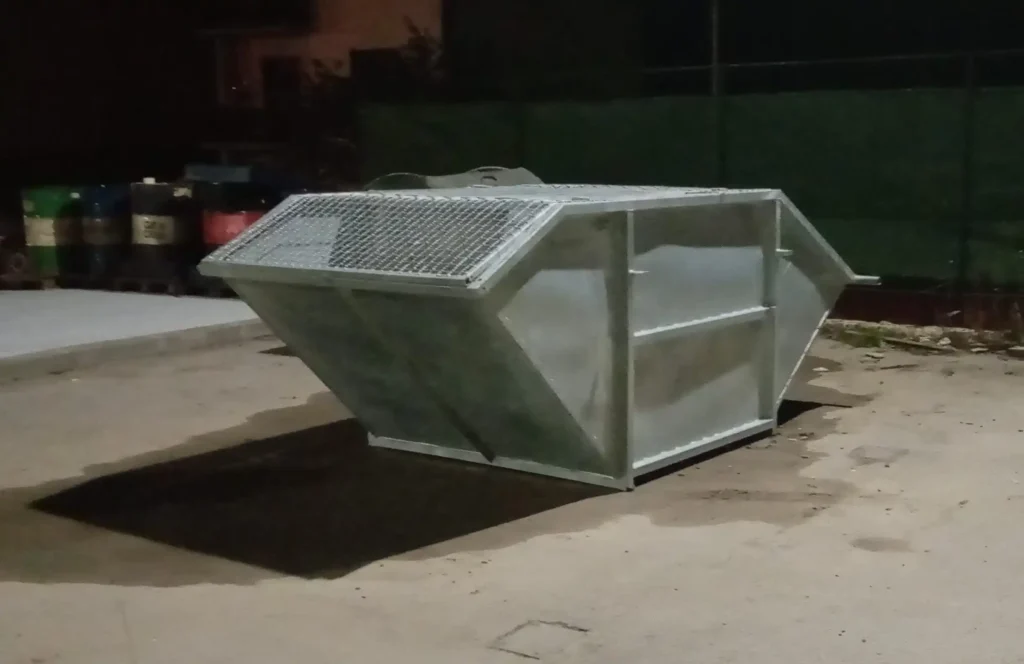
How “Easy Skip Hire UK” Works When You Need Waste Gone Fast
When people say easy skip hire UK, they’re usually describing a booking experience that removes friction: clear size options, straightforward scheduling, and fewer surprises at collection time. The most essential “easy” part, though, isn’t the checkout screen; it’s the planning that happens before the skip ever arrives.
In practice, a smooth UK skip hire process usually follows a simple business rhythm:
- Define the waste stream
Mixed household waste behaves differently from rubble, soil, plasterboard, or bulky furniture. Mixing the wrong materials is one of the quickest ways to delay or incur extra charges. - Choose a size with a buffer.
If you’re doing a clean, controlled job, 6-yard skip hire can be perfect. If the job has unknown tenants, storage spaces, or mixed renovation debris, an 8-yard skip hire often prevents mid-project panic. - Plan placement like you’d plan a delivery
Access matters. Tight drives, narrow streets, parked cars, and turnarounds affect the drop-off. The best bookings are the ones where the driver can place the skip quickly and safely. - Load with intention, not enthusiasm.
The skip is not a “throw it in and hope” container. Bright loading is what turns “easy” into genuinely efficient.
Quick Loading Rules That Prevent Extra Fees and Failed Pickups
If you want the simplest, most repeatable results, whether it’s a 6-yard skip hire or an 8-yard skip, use these loading rules:
- Keep everything level with the sides. If it’s heaped above the rim, collection may be refused for safety reasons.
- Start flat, then fill gaps. Put flat boards and broken-down panels at the bottom, then use bagged waste to pack voids.
- Break down bulky items. A dismantled wardrobe is the difference between “fits comfortably” and “we need another skip.”
- Keep restricted items out. Batteries, chemicals, some electronics, and pressurized containers are common troublemakers.
- Respect the weight reality. Heavy loads can max out limits even when the skip isn’t “full” by volume, especially with rubble and soil.
Those five points are the difference between a tidy one-and-done collection and a frustrating back-and-forth.
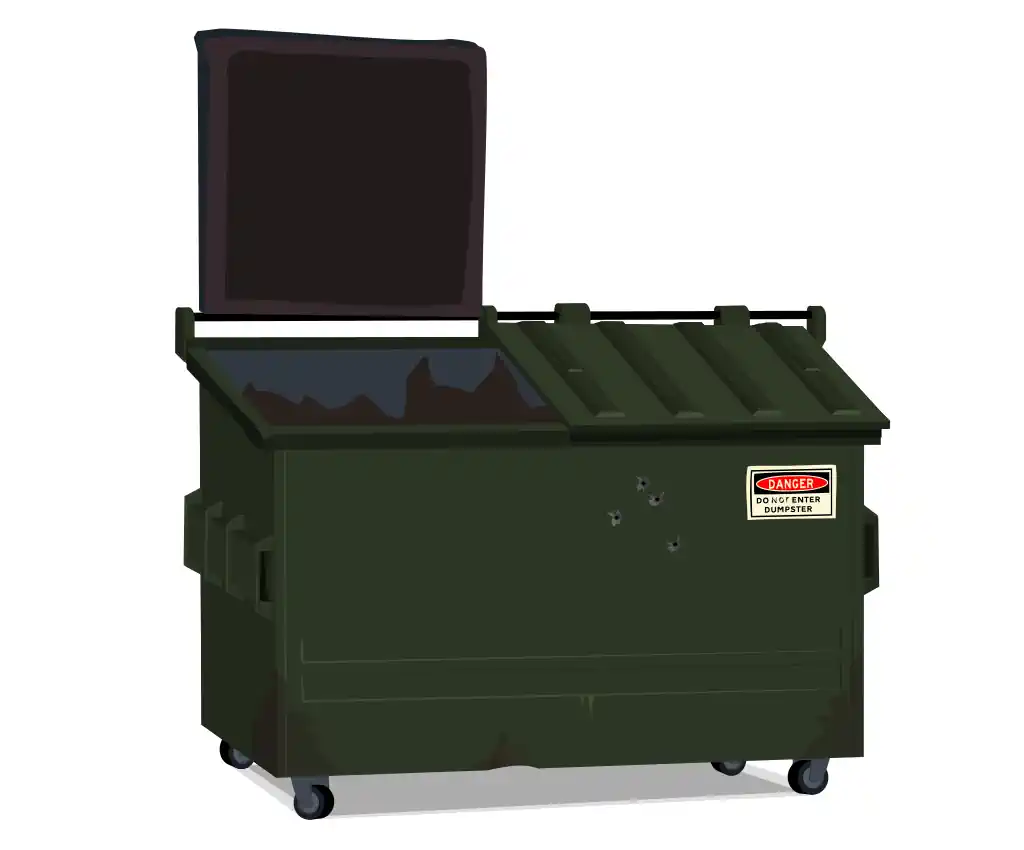
Translating UK Skip Sizes Into US Dumpster Thinking
Now for the connection US readers usually care about: “How does this relate to US dumpsters?” The key is that both markets are solving the same operational problem: containment, safe transport, lawful disposal, and predictable scheduling, just with different norms and terminology.
In the US, customers are used to talking about roll-off dumpsters in cubic yards (10-yard, 20-yard, 30-yard, etc.). In the UK, the skip sizes many households see day to day are smaller, especially in dense residential areas. That’s why learning how UK customers use a 6-yard skip hire or 8 yard skip hire can actually make you sharper at selecting US dumpsters:
- UK customers are forced to think about space efficiency early because smaller skips punish sloppy loading.
- UK operators constantly deal with access constraints, mirroring many US urban and alley-access challenges.
- UK rules and practical restrictions push people to plan waste streams (heavy vs light, restricted items), which is precisely what prevents surprise fees in US dumpster rentals.
If you’re in the US and trying to decide on a dumpster, the UK lesson is simple: don’t size purely by “how big the job feels.” Size by what the waste actually is:
- Mostly bulky and light? Size up for volume.
- Mostly dense and heavy? Manage weight first, even if the container looks half full.
- Mixed and unpredictable? Choose a size that protects your schedule, not just your budget.
That’s why the UK’s 8-yard skip hire is so popular: it’s the “schedule-protection” option for real life. And while US container sizes often jump up, the principle holds that one reliable haul with the correct container nearly always beats a second emergency order.
In the end, whether you call it easy skip hire UK or a straightforward dumpster rental, the goal is the same: keep the job moving, keep the site clean, and avoid the preventable costs of poor sizing and messy loading. If you approach waste removal like a small logistics project, not an afterthought, you’ll make better decisions on both sides of the Atlantic.
FAQs: Skip Hire vs Bin Rental (UK Skips vs US Dumpsters)
1) Is “skip hire” in the UK basically the same as “dumpster rental” in the US?
Broadly yes: both provide a container delivered to site for filling and later collection for lawful disposal. The main differences are the common container sizes, local access constraints, and the specific loading rules and restricted items that can trigger extra charges or refused pickups.
2) What’s the practical difference between a 6-yard skip and an 8-yard skip?
A 6-yard skip suits controlled, predictable waste (bagged waste, broken-down items, light builder’s waste that isn’t rubble-heavy). An 8-yard skip gives more “breathing room” for mixed renovation or clearance jobs where bulky items and unknowns can fill a container fast—often preventing the cost and disruption of needing a second hire.
3) Should I choose a bigger skip even if it costs more?
Often yes, if the job is mixed, bulky, or time-critical. Paying slightly more for one correctly sized container is frequently cheaper than ordering a second skip mid-project. A good test is: “Will I be annoyed if this fills early?” If yes, sizing up can be the calmer, more reliable choice.
4) Why do bulky items fill a skip so quickly even when they’re not heavy?
Bulky items (sofas, carpets, wardrobe panels, large cardboard) trap air and create voids, so the skip looks “full” long before you’ve used the available volume efficiently. Breaking items down and packing gaps can dramatically increase what fits.
5) What loading mistakes most commonly cause extra fees or a failed pickup?
The big ones are overfilling above the rim, mixing restricted items into general waste, and ignoring weight limits with dense materials like rubble or soil. Another common mistake is loading without breaking down bulky items, which wastes space and may force a second hire.
6) Can a skip be refused for collection if it’s overfilled?
Yes. If waste is heaped above the sides, collection may be refused for safety reasons. Keep the load level with the rim and avoid loose items that could fall during lifting or transport.
7) What items are commonly restricted and shouldn’t go in a skip?
Restrictions vary by provider and local rules, but common “problem” items include batteries, chemicals/paints, pressurised containers, and some electronics. If you’re unsure, separate those items and confirm with the hire company before loading.
8) Why do “easy skip hire” services still require planning?
Because the “easy” part is usually the booking and scheduling—your result depends on choosing the right size, planning placement/access, and loading correctly. Good planning prevents the typical surprises: refused pickup, excess-weight fees, or needing a second container.
9) How do UK skip sizes translate to US roll-off dumpsters?
Both markets use cubic yards, but US roll-offs commonly jump to larger sizes (often 10, 20, 30 yards and up). UK household jobs often use smaller “workhorse” skips like 6 and 8 yards due to tighter access and street placement. The translation lesson is about the waste type: bulky/light waste needs more volume; dense/heavy waste hits weight limits sooner.
10) If I’m in the US, what’s the best takeaway from UK skip sizing?
Don’t size purely by how big the job feels—size by what the waste actually is. Bulky and light: size up for volume. Dense and heavy: manage weight first. Mixed and unpredictable: choose a container size that protects your schedule and prevents a mid-project emergency order.
Image Attribution: 1. Dumpster by mdscntst, CC0, via Wikimedia Commons, 2. Skip by Milicevic01 – Own work, CC BY-SA 4.0.