
Reducing food waste saves money and helps the environment. Key strategies include planning meals, shopping with a list, proper food storage (e.g., separating bananas, using fridge crispers), and eating leftovers
Wasting food is a common problem in many UK homes and shops. In fact, the UK throws away millions of tonnes every year, which hurts both our wallets and the environment. This blog will share simple food waste reduction tips for families and retailers, including smarter shopping, better storage, creative ideas for leftovers, and landfill diversion tricks.
Want to save money while helping the planet? Keep reading!
Key Takeaways
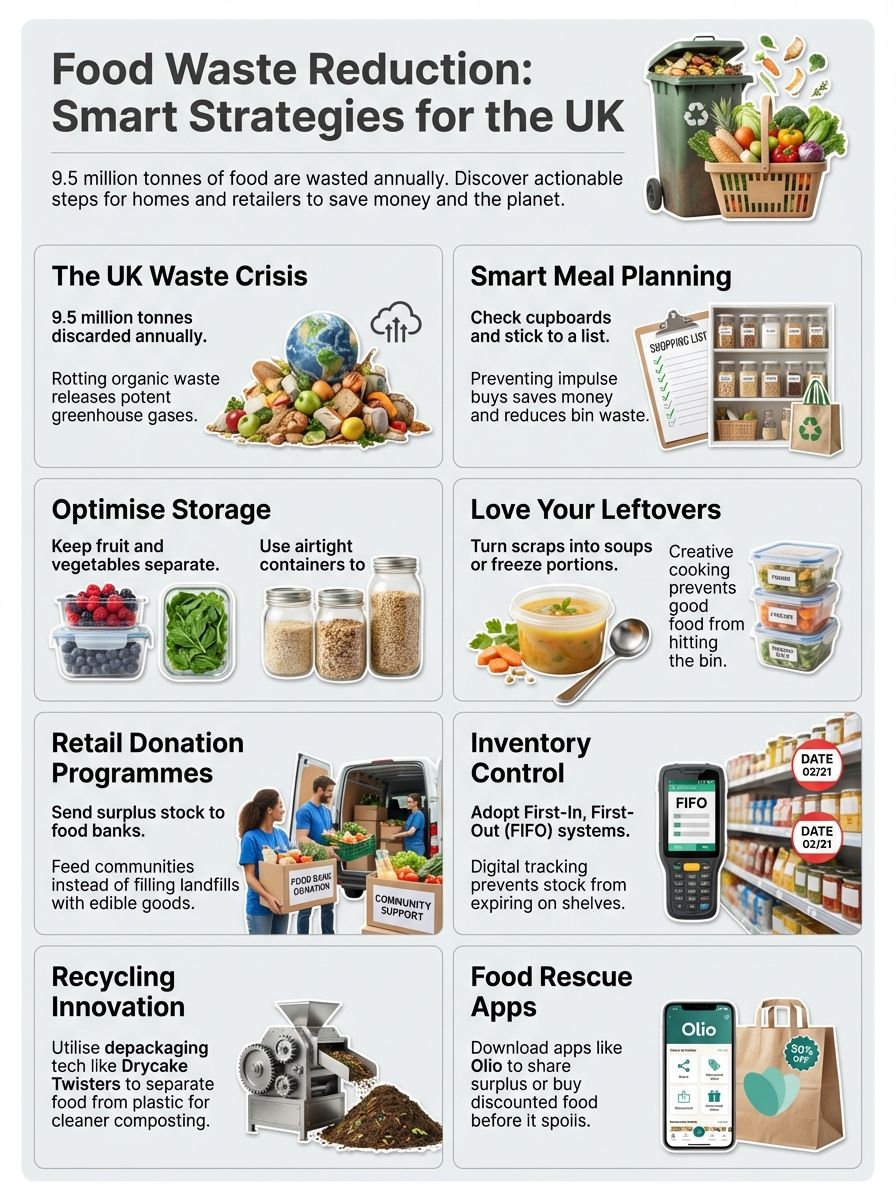
- The UK throws away over 9.5 million tonnes of food each year, mostly from homes and retailers (WRAP). This waste releases methane in landfills, which worsens climate change.
- Meal planning, smart shopping, and proper storage can help families reduce food waste. Apps like Olio and Too Good To Go make it easier to save or share extra food.
- Retailers can lower waste by donating surplus items to food banks and using better inventory systems like FIFO and real-time tracking. This also helps stores avoid profit loss.
- New technology, such as the Drycake Twister depackager, separates plastic from kitchen waste for recycling. Apps let households track expiry dates and manage leftovers easily.
- Government policies like the Courtauld Commitment push businesses to cut down on waste. Community campaigns spread awareness with events and local partnerships against food loss.
How does food waste affect the UK?
Food waste in the UK creates huge problems for both people and the planet. Each year, households and retailers throw out over 9.5 million tonnes of food, according to WRAP. Much of this ends up in landfill sites as organic waste.
There, it rots and releases methane, a greenhouse gas far stronger than carbon dioxide—this makes climate change worse. The Cop2 6 Methane Pledge urges countries like the UK to cut these emissions fast.
Local councils spend millions collecting and dealing with wasted food that could have fed families instead. Retailers lose profit from unsold goods while shoppers pay more due to this hidden cost built into prices at checkouts…
Supermarkets often reject fruit or vegetables just for being the wrong shape or size, adding even more pressure on farmers and supply chains.
One third of all food produced globally is lost or wasted. — Food and Agriculture Organisation
Organic waste diversion now appears vital for communities hoping to save resources, protect nature, and slow global warming.
Strategies for reducing food waste at home
Simple changes at home, like using meal planning apps and arranging your fridge the right way, can cut food waste fast. Keeping fruit and bread in the proper storage spots works wonders for freshness—meaning less ends up in the bin.
How can meal planning and smart shopping reduce waste?
Meal planning and smart shopping are powerful tools against food waste. They help you buy what you need and use what you buy, cutting down on thrown-away food.
- Make a weekly meal plan before shopping. This means deciding on recipes and the exact ingredients needed. It stops random buys that might not get eaten.
- Check your cupboards, fridge, and freezer before going to the shop. This way, you don’t buy things you already have.
- Write a detailed shopping list based on your meal plan. Stick to it in the shop to avoid impulse purchases.
- Use apps like Olio or Too Good To Go. These let you rescue food from local places at lower prices.
- Pick produce with different expiry dates if possible, especially for items like fruit and veg. Use the ones with closer dates first to prevent spoilage.
- Understand date labels such as “use by” versus “best before.” The first is about safety, and the second is about quality; many foods are still good after their best before date.
- Consider buying frozen fruit and vegetables. They last longer and can be cheaper, reducing the chance of fresh produce going bad before you use it.
- Choose loose fruit and vegetables instead of pre-packaged ones where it’s practical; this lets you buy only what you need.
- Embrace odd-shaped or “ugly” fruit and veg that supermarkets sell at a discount; they’re perfectly good to eat but might not look perfect.
10 Let technology help with planning meals around what needs using up in your kitchen, avoiding unnecessary buys.
These steps are straightforward but can significantly cut down the amount of food thrown away in homes across the UK while saving money on groceries too.
What are the best ways to store food to keep it fresh longer?
Storing food properly can help it last longer. Here are some effective tips to keep your food fresh.
- Use airtight containers for dry goods like pasta or rice. This prevents moisture and pests from ruining them.
- Keep fruit and vegetables in separate drawers in the fridge. Some fruit give off gases that can spoil veg faster.
- Wrap herbs in a damp paper towel and place them in a plastic bag. This keeps them fresh for days.
- Store bread in a bread bin or paper bag, not plastic. This helps maintain its crusty texture.
- Freeze leftovers in small portions. It makes reheating easy and reduces waste.
- Use clear containers to store food items, so you can see what you have at a glance.
- Label your food with dates before storing it, which helps track freshness.
- Keep dairy products on the middle shelf of the fridge, where the temperature is more stable.
- Avoid overpacking your fridge; air must circulate around items to keep them cool.
- Check your cupboard regularly for expired items to prevent wasting space and resources.
Implementing these tips will help reduce food waste at home while keeping your meals delicious!

How can I creatively use leftovers and surplus food?
Leftovers and surplus food can be turned into delicious meals. This reduces waste and saves money.
- Create a stir-fry with leftover vegetables and meat. Toss them together in a hot pan with some sauce for a quick meal.
- Make soups or stews using scraps and bits from other dishes. Combine the leftovers in a pot, add stock, and simmer until warm.
- Prepare a frittata or omelette with leftover veggies and meats. Whisk eggs, add your ingredients, and cook until set for an easy breakfast.
- Use bread ends to make croutons for salads or soups. Cut them into cubes, toss with oil and seasoning, then bake until crispy.
- Transform surplus fruits into smoothies or sauces. Blend ripe bananas or berries with yoghurt or juice for a tasty drink.
- Repurpose stale bread by making breadcrumbs or bread pudding. Both options use up old bread while creating something new.
- Freeze excess food for later meals. Bag portions of meals or ingredients you cannot use right away to enjoy another time.
- Share leftovers with family members or friends who might enjoy them. A small container of food can go a long way in helping someone else while preventing waste.
- Compost any uneaten food that can’t be repurposed after everything else is done. This creates nutrient-rich soil instead of ending up in landfill.
- Experiment with recipes that specifically call for leftovers, such as casseroles intended to use various ingredients you have on hand.
- Turn leftover rice into fried rice by adding vegetables, protein, soy sauce, and egg; mix well in a hot pan for flavourful results.
- Host a “leftover buffet” night at home where everyone contributes dishes made from what’s left in the fridge; this makes it fun to clean out your supplies together!
How can households control portion sizes effectively?
Controlling portion sizes can help reduce food waste at home. Use smaller plates to trick your mind into thinking you have more food. This simple change makes it easy to serve less.
Encourage family members to take only what they will eat.
Plan meals ahead of time, and measure ingredients accurately. Recipes often list serving sizes; follow these guidelines for better control over portions. Leftovers can be saved and used in future meals, which keeps food from going to waste while adding variety to your menu.
Practical steps for retailers to minimise waste
Retailers can take simple steps to cut down on food waste. Food donation programmes can give surplus items to those in need, while better inventory management keeps track of stock levels and reduces spoilage.
How can food donation programmes help reduce waste?
Food donation programmes play a key role in reducing waste. They take surplus food from shops and households to give it to those in need. This helps prevent perfectly good food from ending up in landfills.
For example, charities can collect foods that are nearing their expiry dates but still safe to eat.
These donations assist families facing hunger while also reducing the carbon footprint associated with disposing of food. Food banks, community kitchens, and shelters benefit greatly when retailers donate their excess stock.
By sharing resources, we create a beneficial situation for everyone involved and make our communities stronger.
What are effective inventory management improvements for retailers?
Retailers often face challenges with food waste. Effective inventory management can help cut down on this issue.
- Implement a first-in, first-out (FIFO) system. This method ensures older stock sells before new items, keeping food fresh and reducing spoilage.
- Use real-time inventory tracking software. This technology helps retailers monitor stock levels closely, allowing them to reorder only what they need.
- Train staff on proper stock rotation techniques. Educated employees will understand how to handle products correctly, minimising waste due to expired items.
- Conduct regular audits of inventory. Frequent checks help identify slow-moving items that may need discounts or promotions to boost sales before they spoil.
- Adjust order quantities based on demand forecasting data. Accurate forecasts lead to better planning and lower excess stock, which reduces waste.
- Establish relationships with local charities for food donations. Unsold items in good condition can be given to those in need instead of being thrown away.
- Set clear inventory goals and key performance indicators (KPIs). These metrics guide retailers to track their progress in reducing waste over time.
- Use apps for managing surplus food effectively. These tools help retailers connect with customers looking for discounted products nearing their expiry dates.
- Collaborate with suppliers for improved delivery schedules. Close cooperation can ensure fresher products arrive more frequently, cutting down on storage time and waste risks.
- Adopt new technologies like automated ordering systems that adjust automatically based on sales patterns, ensuring optimal inventory levels are maintained at all times.
How can technology help reduce food waste?
Technology plays a big role in cutting down food waste. Smart apps can track what you have at home, helping you use up your food before it goes bad. New tools, like the Drycake Twister depackager, make recycling easier too.
These advances show how tech can help us manage our food better and waste less.
How does the latest depackaging technology remove my plastic caddy bag from my kitchen waste?
Latest depackaging technology helps sort your kitchen waste. It separates plastic bags from leftover food quickly and efficiently. This process uses machines that can break down the waste, making it easier to recycle.
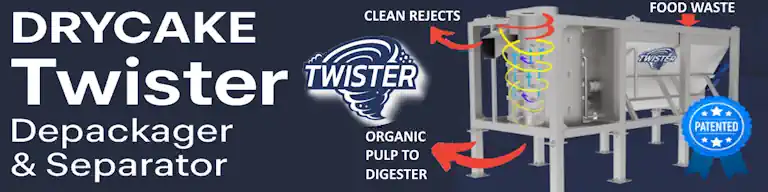
The Drycake Twister is a key tool in this system. It twists and separates packaging materials like plastic caddy bags from food scraps. This method reduces landfill waste and boosts recycling rates.
By using such technologies, households can manage their food waste better while helping the environment too.
How the Drycake Twister depackager and separator works
The Drycake Twister depackager and separator efficiently removes plastic packaging from food waste. This machine crushes and separates the food from its container. It uses a rotating system to twist and squeeze the material.
As a result, it separates valuable food waste from non-biodegradable plastics.
This process helps reduce landfill waste. The collected food can then be repurposed for compost or animal feed. Meanwhile, the separated plastic can go for recycling, which cuts down on pollution and conserves resources.
Such technology is crucial in tackling food waste in homes and businesses across the UK.
Which apps can track and manage surplus food efficiently?
Food waste is a big issue in the UK. Many apps help track and manage surplus food effectively.
- OLIO connects neighbours and local businesses to share surplus food. Users can post what they have, and others can claim it for free, reducing waste and feeding the community.
- Too Good To Go allows users to buy unsold food from local shops at reduced prices. This app saves food from bins while providing affordable meals to users.
- FoodCloud lets businesses donate excess food to charities nearby. The app matches surplus with local organisations that can use it, creating a win-win for all involved.
- Waste No Time helps track expiry dates of items at home. Users input their groceries, and the app sends reminders before food goes bad, encouraging timely consumption.
- Kitche provides meal planning tools and tracks leftovers in your fridge. It suggests recipes based on what you have, making it easier to use everything up efficiently.
- Fridge Pal works as an inventory tracker for your kitchen. Users can scan barcodes of products; the app keeps track of items, notifying them when something is nearing its expiry date.
- Love Food Hate Waste offers tips on how to store food properly and create meals from leftovers. The app also includes a recipe finder which promotes creative cooking instead of wasting ingredients.
- Compo helps households plan their shopping efficiently by comparing prices across stores online. This reduces impulse buying and encourages users to purchase only what they need.
- MealPrepPro assists users in planning weekly meals with portion sizes in mind, which helps reduce excess cooking and leftovers ending up wasted.
- Yummly combines personalised meal suggestions with pantry management features; this way, users can find ways to utilise their existing supplies rather than letting them go unused.
These apps offer practical solutions to help manage surplus food effectively while reducing waste at home or within communities.
How can supply chain collaboration reduce food waste?
Supply chain collaboration can play a big role in cutting down food waste. When businesses work together, they can share resources and information. This helps everyone make smarter decisions about their stock and deliveries.
For instance, farmers, distributors, and retailers can align their efforts to ensure that food moves quickly from the field to the store. This reduces spoilage caused by delays.
Sharing data is another key factor in this collaboration. Retailers can use technology to track inventory levels accurately. If they know what sells well and what doesn’t, they can adjust their orders accordingly.
Moreover, collaborating on promotions or discounts for surplus items encourages consumers to buy more, reducing waste at both ends of the supply chain. Working together makes it easier for all parties to minimise food loss efficiently while also benefiting from better profits.
What government policies support food waste reduction?
The UK government has put in place several policies to help reduce food waste. One key initiative is the “Courtauld Commitment.” This agreement encourages businesses to pledge to cut waste and improve efficiency across their supply chains.
Another important policy is the “Food Waste Reduction Roadmap.” This plan guides companies on how to tackle food waste effectively.
Moreover, there are also funding schemes available for charities that redistribute surplus food. These funds support initiatives like local food banks, helping feed families in need while reducing waste at the same time.
Policies like these play a big role in transforming how we think about food and its value, driving both change in behaviour and improved practices across different sectors.
How can community campaigns raise awareness about food waste?
Community campaigns can highlight food waste. They utilise local events, social media, and workshops to spread the message. Engaging activities like cooking demos or food swaps bring people together.
These events demonstrate how to use leftovers creatively. They also offer tips for meal planning and smart shopping.
Schools and businesses can collaborate with these campaigns as well. Partnering with local charities aids in distributing surplus food. This educates and supports those in need. The more awareness raised, the more people will act against food waste, leading to change in communities across the UK.

Conclusion
Reducing food waste is vital for homes and retailers in the UK. Simple steps can make a big difference. Meal planning, smart shopping, and using leftovers all help cut waste. Retailers can also play a part by donating food or improving inventory management.
Working together as a community raises awareness too. Small actions lead to significant change; let’s commit to creating less waste for our future!
FAQs
1. How can homes in the UK reduce food waste every week?
Start with a shopping list and stick to it. Store leftovers in clear containers so you see what needs eating first. Plan meals, use up fresh items before buying more, and freeze extra portions for later.
2. Which practical steps help retailers cut down on food waste?
Retailers often succeed by training staff to spot spoiled goods early and marking down products close to expiry dates. They also donate unsold yet safe-to-eat food to local charities or compost scraps that cannot be sold.
3. What are some myths about reducing food waste at home?
Many believe sell-by dates mean food is unsafe after that day; this is not always true, as many foods are fine for days longer if stored well. Another myth claims only large families create lots of waste; single households often throw away just as much per person.
4. Why does tackling food waste matter for both homes and shops across the UK?
Food thrown out wastes money, resources, and energy used in growing or transporting it. Reducing this loss helps save cash, lowers landfill use, cuts greenhouse gas emissions from decomposing rubbish, and supports local communities through donations of surplus stock.
{Published 17 March 2018. Rewritten and Updated February 2026.]




This Was Very Helpful For Teaching My 5 Year Old About Landfill And What Happens Afterwards, Thank You!?
People need to stop buying products which are bad for the nature. Making green energies should be linked to recycling and reducing pollution. You can recycle cans, glass, paper and electronics. People must avoid using products containing chemicals and do not buy a packet meal from a brand that is obviously wasting resources in the packaging process. If all customers adopt this attitude, large firms will eventually change their habits. So we must put an embargo on buying packaged foods.
It’s not actual waste garbage. and people don’t sort because they don’t care enough.?
Utilized it with my high school course. Straightforward yet effective. As well as amused me. lol.
Used it with my secondary school class. Simple but powerful. And hilarious to some. lol?
The water bottle could also be made into a clutch purse. Great ideas here!?
Many landfills have the power plant to make electricity. I have seen them. If you remove the food the landfills won’t make the gas so this is a bad thing.